Choosing the Inspection Company for Your Business Needs
Choosing the Inspection Company for Your Business Needs

Selecting the inspection company to partner with represents one of the most critical decisions a business makes when managing workplace safety and regulatory compliance. The right inspection partner doesn't simply tick boxes on a checklist; they become an integral part of your risk management strategy, helping protect employees, maintain operational continuity and safeguard your organisation from legal and financial consequences. With numerous providers operating across the UK, understanding what separates exceptional inspection services from mediocre ones requires careful consideration of qualifications, expertise, reliability and value.
Understanding What Defines the Inspection Company You Need
The inspection company landscape in the UK comprises various organisations, from sole traders to national firms, each offering different levels of expertise, coverage and specialisation. Not all inspection providers deliver the same standard of service, and the differences can significantly impact your compliance posture and workplace safety.
Regulatory Scope and Specialisation
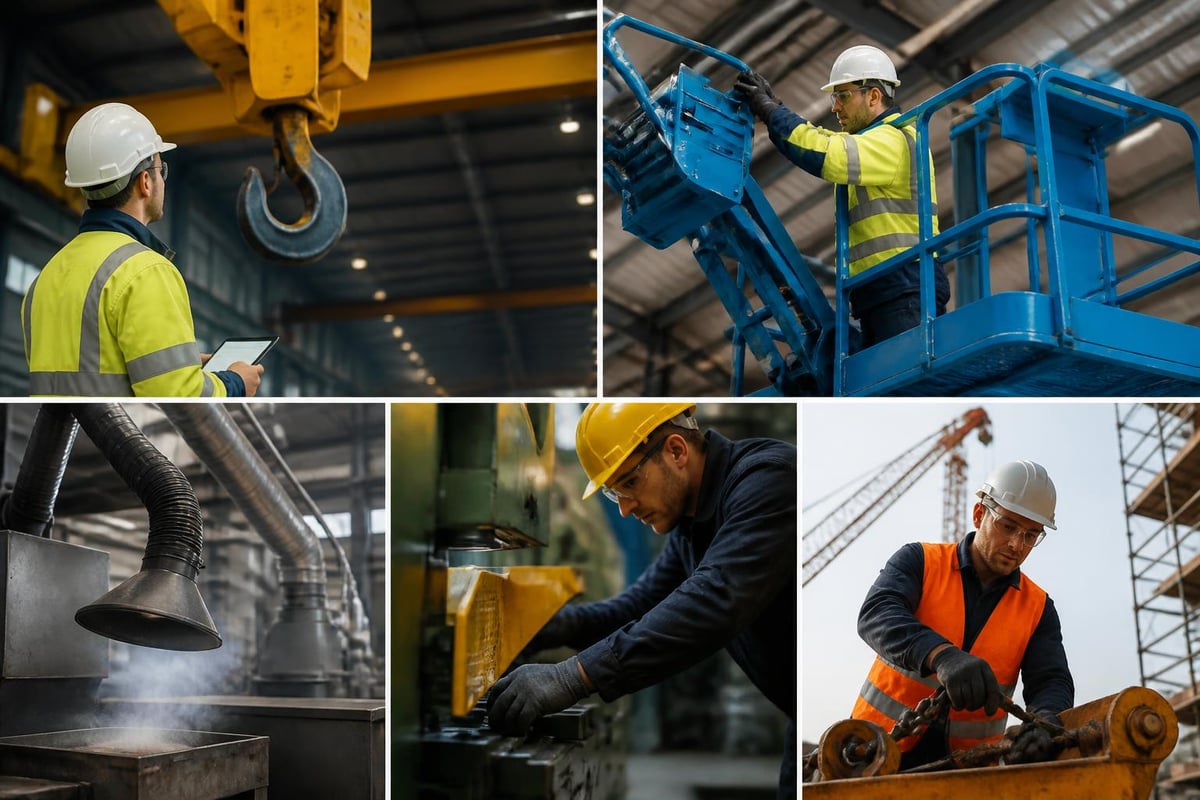
Engineering inspection companies typically specialise in statutory workplace inspections governed by specific regulations. The most common frameworks include LOLER (Lifting Operations and Lifting Equipment Regulations 1998), PUWER (Provision and Use of Work Equipment Regulations 1998), PSSR (Pressure Systems Safety Regulations 2000) and COSHH/LEV (Control of Substances Hazardous to Health with Local Exhaust Ventilation testing).
When evaluating the inspection company options available, businesses should verify:
Regulatory expertise: Does the provider demonstrate comprehensive knowledge of the specific regulations applicable to your industry?
Equipment coverage: Can they inspect the full range of equipment types within your facility?
Technical competence: Are their inspectors qualified and experienced in examining the specific machinery you operate?
Documentation standards: Do they produce reports that meet legal requirements and provide actionable insights?
The depth of regulatory knowledge varies considerably between providers. An inspection company that thoroughly understands industry inspection standards can identify risks that less experienced inspectors might overlook, whilst also providing guidance on best practices for maintaining compliance between inspection cycles.
Independence and Objectivity
Independence stands as a cornerstone of reliable inspection services. The inspection company you choose should operate without conflicts of interest that might compromise their objectivity. Some equipment suppliers offer inspection services alongside sales and maintenance, which can create situations where commercial interests potentially influence inspection outcomes.
Independent inspection providers focus solely on assessment and compliance, without pressure to recommend unnecessary equipment purchases or repairs through affiliated companies. This independence ensures recommendations stem purely from safety considerations and regulatory requirements rather than revenue opportunities.
Qualifications and Accreditations That Matter
Not all inspection certifications carry equal weight in the eyes of regulators, insurers and safety professionals. The inspection company you engage should demonstrate verifiable qualifications that align with industry standards and regulatory expectations.
Professional Memberships and Standards
Reputable inspection companies typically hold memberships with recognised professional bodies and adhere to established standards of practice that govern inspection methodologies and quality assurance. These affiliations demonstrate commitment to maintaining professional standards and staying current with regulatory changes.
Key indicators of professional credibility include:
Qualification Type | Significance | Verification Method |
|---|---|---|
Engineer qualifications | Demonstrates technical competence | Request copies of certificates |
Insurance coverage | Protects against errors and omissions | Verify policy limits and coverage |
Accreditation schemes | Shows adherence to quality standards | Check with accrediting body |
Continuing professional development | Ensures current knowledge | Ask about training records |
The inspection company market includes providers with varying levels of formal qualification. Whilst not all inspections legally require specific certifications, engaging qualified engineers provides additional assurance that assessments follow rigorous methodologies and identify potential issues before they escalate into serious incidents.
Competent Person Designation
Under UK health and safety legislation, inspections must be conducted by a "competent person" – someone with sufficient training, experience and knowledge to perform the task. The definition of competence isn't prescriptive, which means the inspection company bears responsibility for ensuring their inspectors possess appropriate expertise.
When assessing competence, consider:
Formal qualifications in engineering or relevant technical disciplines
Practical experience with the specific equipment types being inspected
Regulatory knowledge of applicable legislation and enforcement expectations
Continuing education to maintain currency with technological and regulatory developments
The compliance inspection sector has evolved considerably, with professional standards becoming increasingly sophisticated. The inspection company that invests in inspector development typically delivers more thorough assessments and identifies potential issues that less experienced inspectors might miss.
Service Coverage and Responsiveness
Geographical coverage and response times directly impact your ability to maintain inspection schedules and address urgent compliance needs. The inspection company you select should offer practical access to qualified inspectors when and where you need them.
National Versus Regional Providers
Businesses operating multiple sites across the UK face particular challenges coordinating inspections with regional providers. A nationwide inspection company offers several advantages:
Consistency: Standardised inspection methodologies across all locations
Simplified administration: Single point of contact for scheduling and reporting
Scalability: Capacity to handle expansion or additional sites without changing providers
Knowledge transfer: Insights from inspecting similar equipment at other facilities
However, regional specialists may offer advantages in specific circumstances, particularly when dealing with unusual equipment or highly specialised industries. The optimal choice depends on your operational footprint and specific requirements.

Flexibility and Emergency Support
Equipment failures don't respect normal business hours, and occasionally urgent inspections become necessary outside regular schedules. The inspection company you partner with should demonstrate flexibility in accommodating:
Expedited inspections when commissioning new equipment or following modifications
Breakdown examinations after equipment failure or incidents
Out-of-hours availability for facilities operating continuous production
Seasonal adjustments for industries with peak operational periods
Responsiveness extends beyond simply showing up when scheduled. For instance, LOLER inspections require thorough examination of lifting equipment, and the inspection company should provide clear timelines for both routine appointments and situations requiring immediate attention.
Documentation and Reporting Quality
The value of an inspection extends far beyond the time an inspector spends at your facility. Comprehensive documentation serves multiple purposes: demonstrating compliance to regulators, providing evidence to insurers, creating maintenance records and offering operational insights.
Essential Report Components
The inspection company you engage should produce reports containing specific elements required by legislation and useful for operational management:
Equipment identification: Clear description and unique identifiers for tracked assets
Inspection scope: Detailed account of what was examined and testing performed
Findings and observations: Comprehensive documentation of condition, wear and defects
Risk classification: Clear categorisation of any issues identified
Recommendations: Specific guidance on remedial actions and timescales
Certification status: Explicit statement of pass/fail and validity period
Beyond meeting minimum statutory requirements, high-quality reports provide context and explanations that help maintenance teams understand findings and prioritise actions. The inspection company that takes time to produce clear, detailed documentation adds significant value beyond the inspection itself.
Digital Systems and Accessibility
Modern inspection services increasingly leverage digital platforms for scheduling, reporting and compliance tracking. The inspection company you select should offer:
Feature | Benefit | Implementation |
|---|---|---|
Online scheduling | Simplified booking and calendar management | Web portal or dedicated system |
Digital reports | Immediate access to findings | Email delivery and cloud storage |
Compliance dashboards | Overview of all equipment status | Centralised tracking system |
Renewal notifications | Automated reminders for upcoming inspections | Email or SMS alerts |
Historical records | Long-term documentation retention | Searchable archive access |
These digital capabilities transform the inspection company from a service provider into a compliance management partner, helping you maintain oversight across complex equipment portfolios and multiple sites.
Cost Considerations and Value Assessment
Price naturally features prominently when selecting the inspection company for your needs, but focusing solely on the lowest quote often proves counterproductive. Understanding what drives inspection costs and how to assess value helps identify the optimal balance between investment and return.
Pricing Models and Structures
Inspection companies typically employ various pricing approaches:
Per-item pricing: Individual charges for each piece of equipment inspected
Site-based fees: Fixed cost for all equipment at a single location
Annual contracts: Agreed pricing for all inspections across a defined period
Volume discounts: Reduced rates for businesses with extensive equipment portfolios
The inspection company offering the lowest per-item price may not deliver the best overall value. Consider total cost of ownership, including administrative burden, report quality, compliance support and potential costs of missed defects or inadequate documentation.
Hidden Costs and Additional Charges
Transparent pricing separates reputable providers from those who attract customers with low initial quotes then add unexpected charges. Clarify whether quotations include:
Travel expenses for inspectors visiting your facility
Report preparation and documentation
Certification and compliance documents
Follow-up consultations regarding findings
Re-inspection fees after remedial work
The inspection company with straightforward, all-inclusive pricing simplifies budgeting and eliminates surprises. Understanding inspection regulations helps verify that quoted services cover all statutory requirements without hidden extras.
Industry-Specific Expertise and Equipment Knowledge
Different industries present unique inspection challenges requiring specialised knowledge. The inspection company you choose should demonstrate relevant experience with your sector and the specific equipment types you operate.
Sector Specialisation
Manufacturing, construction, logistics, healthcare and other industries each employ distinctive equipment and face particular regulatory considerations. An inspection company with proven experience in your sector brings valuable context to assessments:
Manufacturing facilities: Understanding of production equipment, material handling systems and process machinery
Construction sites: Knowledge of temporary lifting equipment, access platforms and site-specific challenges
Warehousing operations: Expertise with forklift trucks, racking systems and loading equipment
Healthcare settings: Familiarity with patient handling equipment and medical facility requirements
Industry-specific knowledge enables inspectors to identify common failure modes, recommend sector-appropriate maintenance practices and provide benchmarking insights based on comparable operations. Adherence to international inspection standards ensures methodologies align with best practices across different sectors.
Equipment Complexity and Technical Demands
Some equipment requires particularly specialised knowledge for proper assessment. The inspection company you engage should demonstrate competence with:
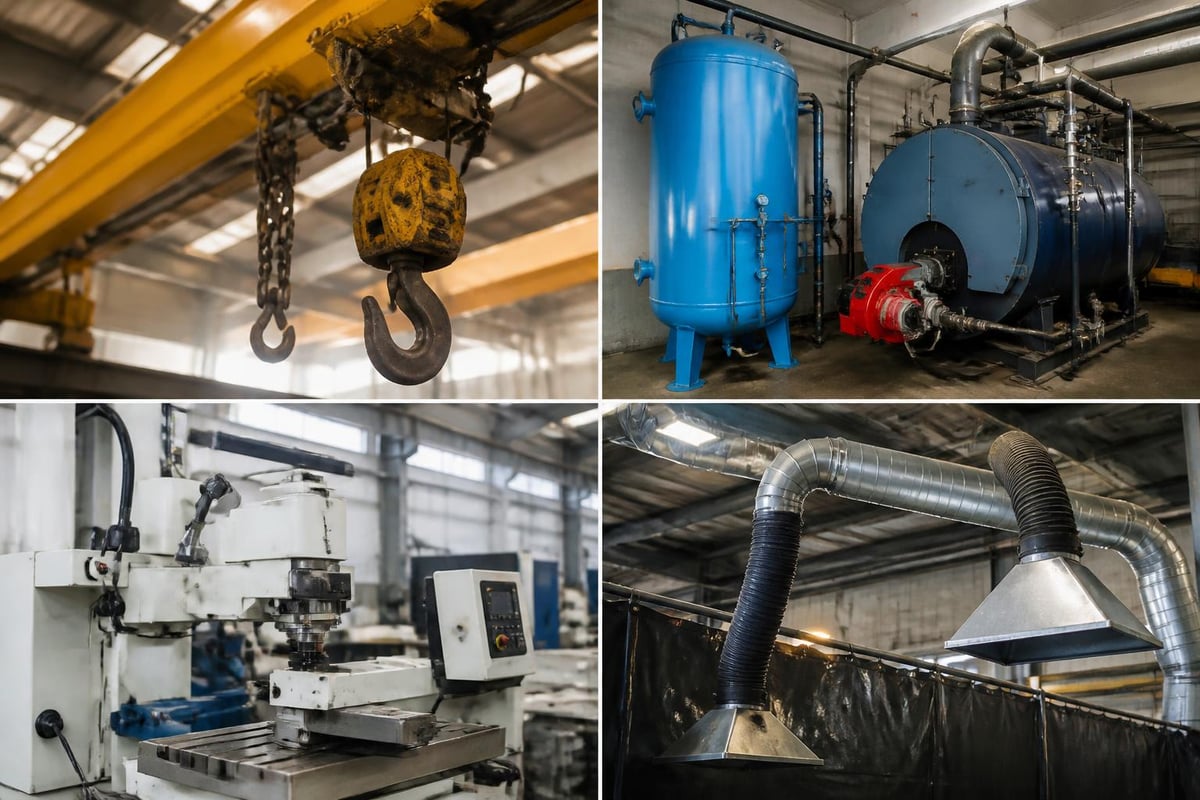
Complex lifting systems: Overhead cranes, lifting beams, spreader frames and custom rigging
Pressure equipment: Boilers, autoclaves, compressed air systems and process vessels
Manufacturing machinery: CNC equipment, presses, conveyors and automated systems
Ventilation systems: Extraction hoods, filtration units and ducting networks
For businesses operating sophisticated or unusual equipment, verifying the inspection company possesses relevant technical expertise prevents situations where inspectors lack confidence to properly assess critical systems. Detailed guidance on health and safety inspection requirements helps establish whether proposed inspection approaches meet your specific needs.
Building Long-Term Inspection Partnerships
The relationship between your organisation and the inspection company extends beyond transactional service delivery. Strategic partnerships create opportunities for continuous improvement, risk reduction and operational optimisation.
Consistency and Relationship Benefits
Engaging the same inspection company over extended periods delivers advantages that frequent provider changes cannot match:
Equipment familiarity: Inspectors develop knowledge of your specific installations and history
Trend identification: Long-term data reveals patterns in wear, deterioration and maintenance effectiveness
Streamlined processes: Established workflows reduce administrative overhead and scheduling complexity
Proactive guidance: Understanding your operations enables targeted recommendations for improvements
The inspection company that views your relationship as ongoing partnership rather than isolated transactions invests effort in understanding your business, equipment and objectives. This deeper engagement produces insights and value beyond basic compliance verification.
Communication and Collaboration
Effective partnerships depend on clear, consistent communication. The inspection company you select should demonstrate:
Accessible contact points for scheduling, queries and urgent matters
Responsive customer service that addresses concerns promptly
Technical support to discuss findings and recommendations
Proactive communication about regulatory changes affecting your operations
Collaborative problem-solving when complex issues arise
Regular dialogue between your maintenance teams and inspection company creates feedback loops that improve both inspection effectiveness and equipment management practices. This collaborative approach transforms compliance from a bureaucratic obligation into a strategic advantage.
Risk Management and Insurance Implications
The inspection company you choose influences more than just regulatory compliance; inspection quality directly impacts workplace safety, operational risk and insurance considerations.
Liability and Due Diligence
Inadequate inspections create potential liability exposure if equipment failures cause injuries, property damage or business interruption. Demonstrating due diligence in selecting competent inspection providers strengthens your legal position should incidents occur.
Insurers increasingly scrutinise inspection arrangements when underwriting workplace policies and assessing claims. The inspection company with robust qualifications, comprehensive insurance and rigorous methodologies provides evidence of responsible risk management that can influence:
Premium calculations reflecting reduced risk exposure
Coverage terms and conditions
Claims handling when incidents occur
Business continuity protection through reliable equipment management
Understanding workplace health and safety compliance requirements helps ensure your inspection arrangements satisfy both regulatory obligations and insurance expectations.
Defect Identification and Risk Mitigation
The primary purpose of statutory inspections involves identifying defects, deterioration and unsafe conditions before they cause incidents. The inspection company's effectiveness in spotting potential problems directly determines how well inspections fulfil their protective function.
Thoroughness varies significantly between providers. Superficial examinations that merely verify equipment operates miss subtle indicators of impending failure that detailed assessments would reveal. Investment in the inspection company that conducts comprehensive examinations prevents costly breakdowns, production interruptions and potential accidents.
Regulatory Compliance and Enforcement Considerations
Health and Safety Executive (HSE) enforcement actions frequently cite inadequate inspection regimes as contributing factors in workplace incidents. The inspection company you engage plays a crucial role in demonstrating compliance during regulatory interactions.
Meeting Enforcement Expectations
HSE inspectors assess not only whether inspections occur but also whether they meet quality standards. Factors influencing regulatory assessments include:
Inspector competence: Do inspection personnel possess appropriate qualifications and experience?
Examination thoroughness: Are inspections sufficiently detailed to identify defects?
Documentation quality: Do reports provide clear evidence of what was examined and found?
Remedial action: Are identified defects addressed within appropriate timescales?
The inspection company that understands enforcement perspectives produces documentation and follows methodologies that satisfy regulatory scrutiny. This alignment reduces risk of improvement notices, enforcement actions or prosecutions following workplace incidents.
Changing Regulatory Landscape
Regulations governing workplace equipment evolve through amendments, updated guidance and shifting enforcement priorities. The inspection company you partner with should monitor these changes and proactively communicate implications for your operations.
Staying current with developments affecting LOLER and PUWER requirements ensures your inspection regime remains compliant as standards evolve. The inspection company committed to ongoing professional development maintains awareness of regulatory changes and adjusts service delivery accordingly.
Evaluating and Selecting Your Inspection Provider
With numerous factors influencing the choice of inspection company, systematic evaluation helps identify the provider best suited to your specific requirements.
Assessment Criteria and Decision Framework
Create a structured evaluation considering:
Criteria Category | Key Considerations | Weighting |
|---|---|---|
Technical competence | Qualifications, experience, specialisation | High |
Service coverage | Geographic reach, capacity, flexibility | Medium |
Quality and reliability | Report standards, consistency, accuracy | High |
Communication | Responsiveness, accessibility, clarity | Medium |
Value | Pricing transparency, service scope, long-term cost | Medium |
Technology | Digital systems, reporting platforms, tracking | Low |
Assign weightings based on your priorities, then score potential providers against each criterion. This systematic approach produces objective comparisons that support confident decision-making.
Due Diligence and Verification
Before finalising agreements with the inspection company of your choice, conduct verification checks:
Request references from similar businesses in your industry
Review sample reports to assess documentation quality
Verify qualifications and insurance coverage
Clarify pricing and confirm all-inclusive scope
Discuss contingency arrangements for urgent or unusual situations
Taking time for thorough due diligence prevents subsequent disappointment and ensures the inspection company you select truly meets your expectations. Resources about safety compliance provide additional context for evaluating provider capabilities.
Selecting the inspection company that aligns with your operational needs, compliance requirements and safety objectives requires careful evaluation of qualifications, experience, service delivery and value proposition. The right partner transforms statutory inspections from administrative obligations into strategic tools for risk management and operational excellence. Workplace Inspection Services Ltd provides nationwide, independent engineering inspections across LOLER, PUWER, PSSR and COSHH/LEV regulations, helping businesses throughout the UK maintain compliance, reduce risk and ensure safe working environments through expert, reliable inspection services.