What is a hydrostatic pressure test?
What is a hydrostatic pressure test?
Pressure Test
What is it?
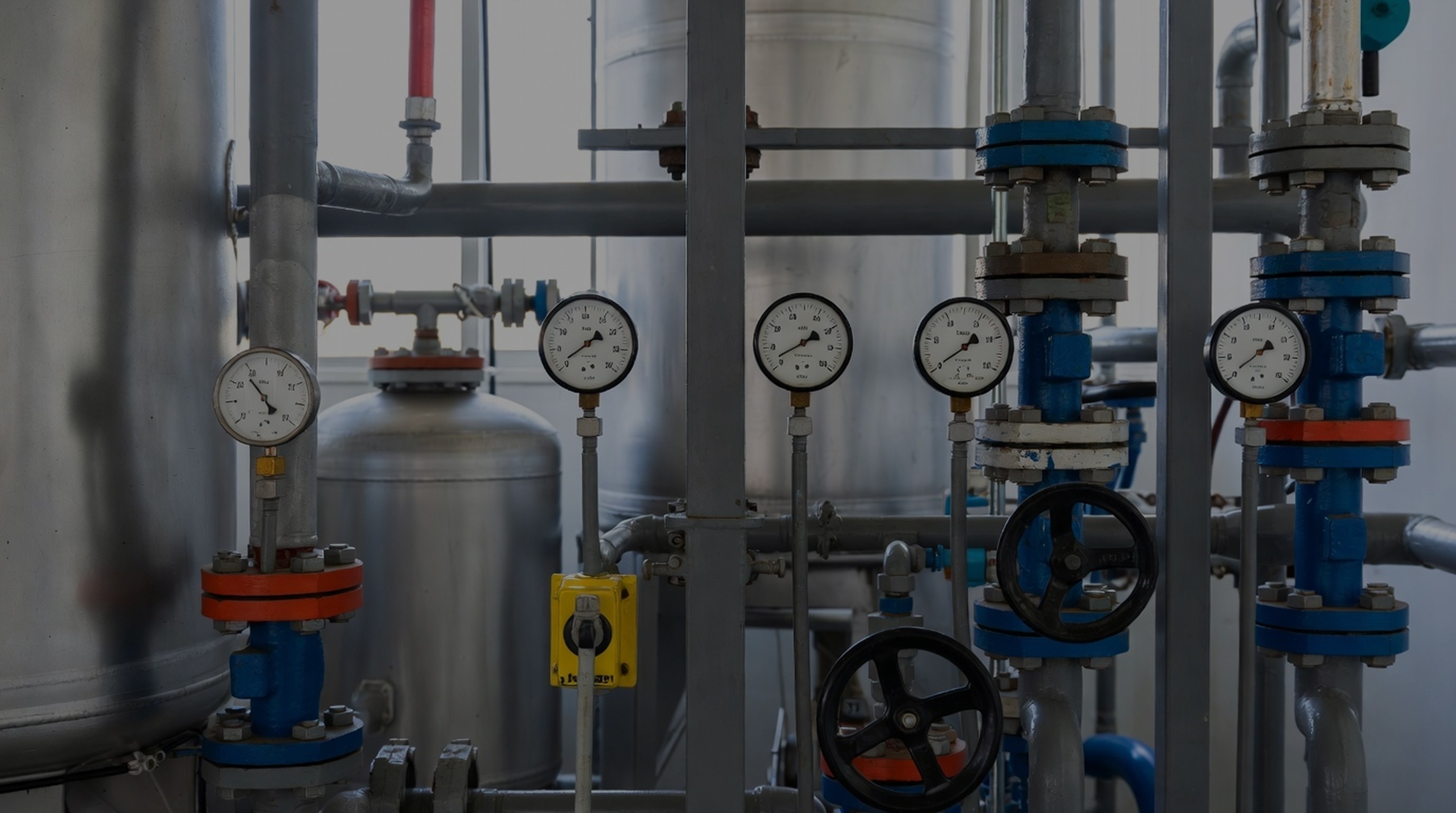
Simply put, hydrostatic pressure testing is a rigorous leak test performed on various pressure vessels. It doesn’t just test for existing leaks, however. A hydrostatic pressure test will also examine the structural integrity and current performance of the tank.
What is it?
Simply put, hydrostatic pressure testing is a rigorous leak test performed on various pressure vessels. It doesn’t just test for existing leaks, however. A hydrostatic pressure test will also examine the structural integrity and current performance of the tank.
What does a hydrostatic pressure test involve?
A typical test will involve filling your tank or vessel with pressurised liquid, usually water. The tank will be filled until the water reaches a certain pressure. This pressure is often higher than the pressure your boiler or tank might normally experience – sometimes 150% more. Dyes may be added to the water in order to make the results of the test clearer as it is being performed. This makes leaks easy to identify. The pressure level is held for a certain amount of time to allow for a meticulous inspection to take place. The inspection will be able to identify any existing leaks and will also be an effective test of durability and performance.
What does a hydrostatic pressure test involve?
A typical test will involve filling your tank or vessel with pressurised liquid, usually water. The tank will be filled until the water reaches a certain pressure. This pressure is often higher than the pressure your boiler or tank might normally experience – sometimes 150% more. Dyes may be added to the water in order to make the results of the test clearer as it is being performed. This makes leaks easy to identify. The pressure level is held for a certain amount of time to allow for a meticulous inspection to take place. The inspection will be able to identify any existing leaks and will also be an effective test of durability and performance.
When do I need a hydrostatic pressure test?
The test is best performed when inspecting/servicing your tank, to decide whether or not it is able to provide reliable performance in the future. Hydrostatic pressure testing is also a helpful post-repair process, giving your tank a final test to ensure it has been brought back up to working order. If leaks have not been fully repaired, or return under certain pressure demands, the pressure test will be able to identify this. The results of the test will influence whether or not your tank needs further repairs or total replacement.
When do I need a hydrostatic pressure test?
The test is best performed when inspecting/servicing your tank, to decide whether or not it is able to provide reliable performance in the future. Hydrostatic pressure testing is also a helpful post-repair process, giving your tank a final test to ensure it has been brought back up to working order. If leaks have not been fully repaired, or return under certain pressure demands, the pressure test will be able to identify this. The results of the test will influence whether or not your tank needs further repairs or total replacement.
How often should I have a hydrostatic pressure test?
This test should form a part of your regular maintenance schedule for your boiler or storage tank. This schedule will change depending on the age and type of pressure vessel, so discuss this with a reputable company to make sure you’re receiving the most suitable service for your needs. A pressure test every one or two years should suffice, but will also be required after any major repair work has been carried out.
How often should I have a hydrostatic pressure test?
This test should form a part of your regular maintenance schedule for your boiler or storage tank. This schedule will change depending on the age and type of pressure vessel, so discuss this with a reputable company to make sure you’re receiving the most suitable service for your needs. A pressure test every one or two years should suffice, but will also be required after any major repair work has been carried out.
Who can carry out a hydrostatic pressure test?
When testing for leaks in any kind of pressurised environment, you should enlist the services of a professional, qualified inspector. You can talk to your inspector about the current state of the vessel, as well as any repairs that have been or need to be carried out. A competent inspector will tailor their service to your tank, and will work with the highest standards of safety in mind at all times. Once a test is completed, they will be on hand to offer professional insight for future maintenance, further repairs or necessary replacements that may need to be made.
Who can carry out a hydrostatic pressure test?
When testing for leaks in any kind of pressurised environment, you should enlist the services of a professional, qualified inspector. You can talk to your inspector about the current state of the vessel, as well as any repairs that have been or need to be carried out. A competent inspector will tailor their service to your tank, and will work with the highest standards of safety in mind at all times. Once a test is completed, they will be on hand to offer professional insight for future maintenance, further repairs or necessary replacements that may need to be made.
What Are the Benefits?
Because hydrostatic pressure testing generates a smaller amount of stored energy and poses less risk to workers, it is one of the preferred methods of testing pressure-containing infrastructure. In this type of assessment, a liquid is pumped into the system and then pressurised with gas or air to test whether the material will crack or burst. This process can determine if the vessel can hold and withstand the amount of pressure required for its intended use efficiently and safely. Hydrostatic pressure testing may also be used to detect leaks before systems are set to operate, minimising dangerous compound emissions, and eliminating harmful leaks. Not carrying out a hydrostatic pressure test on your pressure-containing pipework, vessels, and systems can increase the likelihood of potential risks, including: Reduced efficiency Leaks Corrosion Damage to the system Risk of explosion.
What Are the Benefits?
Because hydrostatic pressure testing generates a smaller amount of stored energy and poses less risk to workers, it is one of the preferred methods of testing pressure-containing infrastructure. In this type of assessment, a liquid is pumped into the system and then pressurised with gas or air to test whether the material will crack or burst. This process can determine if the vessel can hold and withstand the amount of pressure required for its intended use efficiently and safely. Hydrostatic pressure testing may also be used to detect leaks before systems are set to operate, minimising dangerous compound emissions, and eliminating harmful leaks. Not carrying out a hydrostatic pressure test on your pressure-containing pipework, vessels, and systems can increase the likelihood of potential risks, including: Reduced efficiency Leaks Corrosion Damage to the system Risk of explosion.
What Our Clients Say

Harry Llewellyn
Walters Plant Hire Ltd
We have been partnering with Workplace Inspections Ltd since 2020, and I can confidently say they are one of our most dependable service providers. Their team is consistently professional, and in all the years we have worked together, we have never encountered a single issue. It is a pleasure to work with a company that is so reliable and self-sufficient. We are very happy with the service and look forward to continuing to work with them in the future.

Daniel Edmunds
Hedyn Wales
Working with Workplace Inspections has been a breath of fresh air following many years being led along by our previous Loler/Pressure Vessel insurance, communication is second to none even down to Huw Davies keeping us up to date on various issues within our Lift stock, Stairlift, Through Floor Lift and Commercial Boiler and Pressure vessel stock. Workplace inspections have provided a holistic view of our housing stock, so we can make informed decisions and make repair priorities
Request a Quote
Email Address:
Phone Number:
Request a Quote
Email Address:
Phone Number:
Request a Quote
Email Address:
Phone Number: