LOLER and PUWER: Essential Guide for UK Businesses
LOLER and PUWER: Essential Guide for UK Businesses

Understanding statutory inspection requirements is fundamental to operating a safe, compliant workplace in the UK. Two regulations stand at the forefront of equipment safety: the Lifting Operations and Lifting Equipment Regulations 1998 (LOLER) and the Provision and Use of Work Equipment Regulations 1998 (PUWER). Together, these frameworks establish comprehensive safety standards that protect employees across virtually every industry sector. For businesses managing lifting equipment, machinery, or technical installations, loler and puwer compliance represents both a legal obligation and a practical necessity for maintaining operational continuity whilst safeguarding personnel from preventable harm.
The Regulatory Framework Behind LOLER and PUWER
Both LOLER and PUWER emerged from European directives implemented in 1998, establishing clear responsibilities for employers regarding equipment safety. The Health and Safety Executive oversees PUWER, which applies to virtually all work equipment used by employees, from hand tools to complex manufacturing systems.
LOLER operates as a specialised regulation focusing specifically on lifting operations and equipment. The LOLER framework requires employers to ensure lifting equipment is strong enough, positioned appropriately, and examined thoroughly at prescribed intervals.
Key Differences Between the Regulations
Whilst both regulations share the common objective of workplace safety, their scope and application differ significantly:
PUWER applies to:
All work equipment including machinery, tools, appliances, and installations
Equipment used across all industry sectors
Both new and existing equipment
Equipment owned, leased, or hired by the organisation
LOLER specifically covers:
Equipment used for lifting loads, including people
Lifting accessories such as chains, slings, and shackles
Attachments used for anchoring, fixing, or supporting lifting equipment
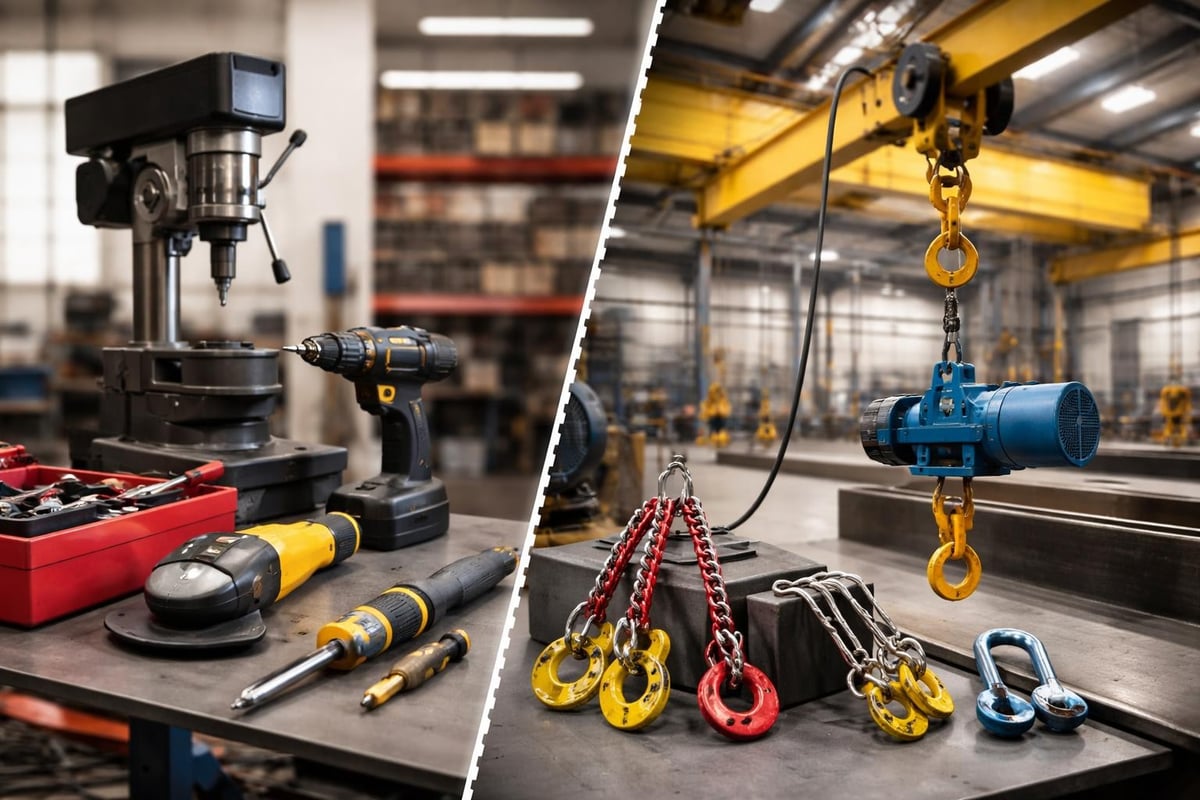
The relationship between loler and puwer means that lifting equipment must comply with both sets of regulations. A mobile crane, for instance, requires inspection under LOLER for its lifting function whilst simultaneously meeting PUWER requirements as work equipment.
Inspection Requirements Under LOLER and PUWER
Regular examination forms the cornerstone of compliance with both regulations. However, the inspection frequencies, methodologies, and documentation requirements differ considerably between loler and puwer frameworks.
LOLER Thorough Examination Standards
LOLER mandates thorough examinations conducted by competent persons at specific intervals. The regulation distinguishes between equipment used for lifting people and equipment used solely for lifting loads.
Equipment Type | Examination Frequency | Additional Requirements |
|---|---|---|
Lifting people | Every 6 months | Pre-use inspection daily |
Lifting loads only | Every 12 months | May vary based on examination scheme |
Lifting accessories | Every 6 or 12 months | Depends on use and environment |
New/installed equipment | Before first use | Following installation or assembly |
The thorough examination process must identify whether equipment can continue in service safely or requires immediate attention. Competent persons must possess appropriate theoretical knowledge, practical experience, and understanding of relevant regulations to conduct valid examinations.
PUWER Inspection Protocols
PUWER requires equipment to be inspected to ensure it remains safe for use. Unlike LOLER's prescribed intervals, PUWER inspection frequency depends on the equipment type, operating environment, and manufacturer's recommendations. Workplace Inspection Services Ltd provides comprehensive PUWER inspections covering manufacturing machinery, workshop equipment, and mechanical tools to confirm compliance with the 1998 regulations.
Inspection considerations include:
Equipment deterioration rates in specific operating conditions
Manufacturer's maintenance schedules and guidance
Results from previous inspections and service history
Changes to equipment use or operating environment
Industry-specific guidance and recognised standards
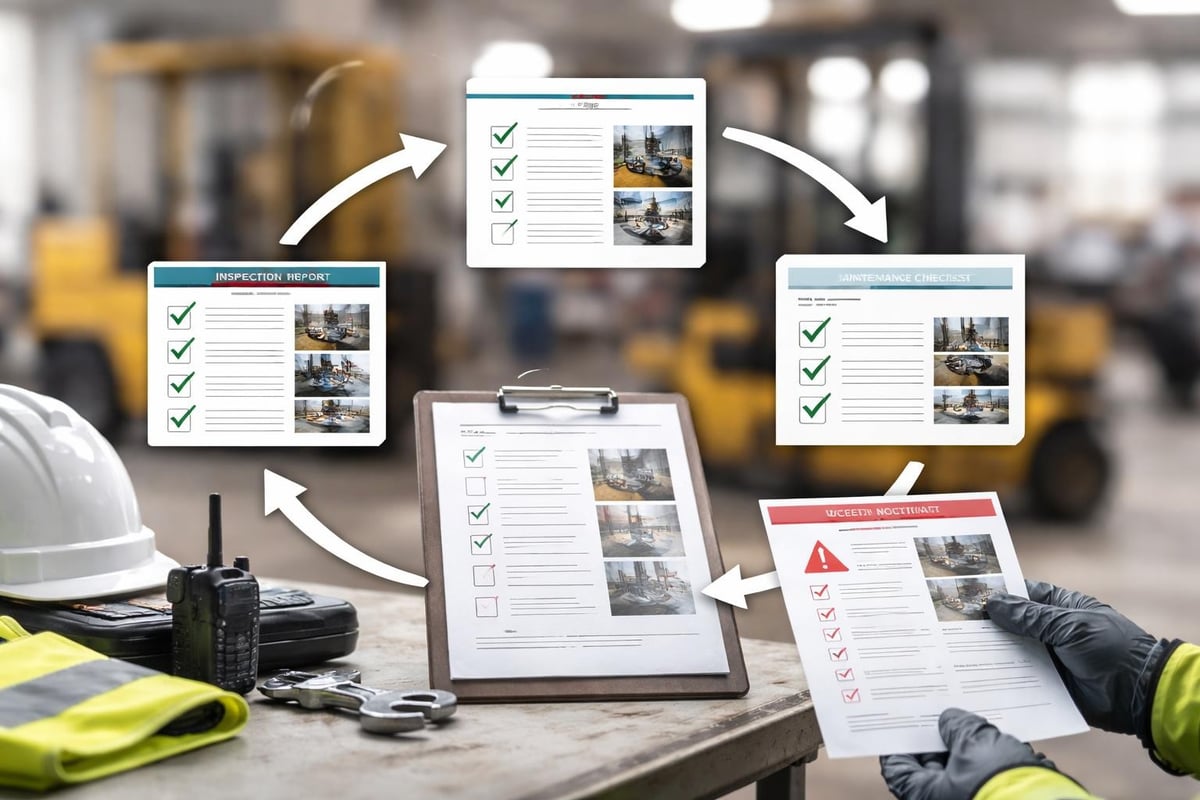
Businesses must maintain detailed records demonstrating inspection schedules, findings, remedial actions, and follow-up verification. This documentation proves compliance during HSE inspections and supports insurance claims following equipment-related incidents.
Compliance Obligations for Employers
The loler and puwer regulations impose extensive duties on employers extending far beyond periodic inspections. Understanding these obligations helps businesses develop comprehensive safety management systems rather than treating compliance as a tick-box exercise.
Planning and Supervision Requirements
Every lifting operation under LOLER must be properly planned by a competent person, appropriately supervised, and carried out safely. This requirement applies regardless of how routine the operation might seem.
Planning considerations include:
Load characteristics (weight, dimensions, centre of gravity)
Equipment selection appropriate to the task
Environmental factors (weather, ground conditions, overhead obstacles)
Personnel competency and communication protocols
Emergency procedures and rescue arrangements
PUWER similarly requires equipment selection based on working conditions and risks. Employers must ensure equipment is suitable for its intended purpose, taking account of the specific work environment and any unique hazards present.
Maintenance and Record Keeping
Both regulations mandate that equipment is maintained in efficient working order and good repair. Maintenance programmes must address:
Preventive maintenance following manufacturer's specifications
Corrective maintenance addressing identified defects promptly
Predictive maintenance monitoring wear patterns and performance
Documentation recording all maintenance activities comprehensively
The comprehensive health and safety inspection framework demonstrates how statutory inspections integrate with broader workplace safety management.
Training and Competency Standards
Competence represents a recurring theme throughout loler and puwer regulations. Employers must ensure that personnel operating, supervising, or maintaining equipment possess adequate training, knowledge, and experience.
Training programmes should address:
Technical skills for safe equipment operation and basic troubleshooting
Regulatory awareness understanding legal obligations and compliance requirements
Risk assessment identifying hazards and implementing control measures
Emergency response reacting appropriately to equipment failures or incidents
Documented competency assessments prove that individuals possess necessary qualifications before assuming responsibilities involving regulated equipment.
Industry-Specific Applications
The application of loler and puwer varies considerably across different sectors, with certain industries facing unique challenges and heightened scrutiny from regulatory bodies.
Manufacturing and Engineering
Manufacturing facilities typically operate extensive machinery portfolios covered by PUWER alongside numerous lifting devices regulated under LOLER. The waste and recycling industry exemplifies sectors where both regulations apply intensively to cranes, conveyors, balers, and compactors.
Equipment complexity in manufacturing environments demands particularly rigorous inspection regimes. Automated systems, robotics, and integrated production lines require competent examiners with specialist knowledge to assess safety adequately.
Healthcare Sector
Healthcare facilities utilise patient hoists, ceiling track systems, and medical equipment requiring careful consideration under loler and puwer frameworks. The health and social care equipment safety guidance addresses specific considerations for this sector, where equipment failures directly impact vulnerable individuals.
Medical equipment presents unique challenges:
Infection control requirements affecting maintenance procedures
Patient dignity and comfort considerations during examinations
Emergency use scenarios requiring guaranteed reliability
Integration with monitoring systems and alarm protocols
Construction and Logistics
Construction sites and logistics operations rely heavily on lifting equipment, from tower cranes and mobile elevating work platforms to fork-lift trucks and goods hoists. These dynamic environments where equipment frequently moves between locations require particularly robust examination and certification systems.
Temporary installations demand examination before use at each new location, creating substantial administrative burdens for businesses operating across multiple sites simultaneously.
Common Compliance Failures and Preventive Strategies
HSE enforcement data consistently identifies recurring failures in loler and puwer compliance across UK workplaces. Understanding these common deficiencies enables businesses to implement preventive measures before issues escalate into enforcement actions or, worse, serious injuries.
Inadequate Thorough Examinations
Many businesses mistakenly treat statutory examinations as simple visual checks rather than comprehensive assessments of equipment condition and safety-critical components. Thorough examinations must verify structural integrity, safety device functionality, and compliance with design specifications.
Prevention strategies:
Engage competent persons with relevant qualifications and experience
Provide examiners with equipment history and previous reports
Allow sufficient time for detailed examination without production pressure
Address identified defects before equipment returns to service
Insufficient Risk Assessment
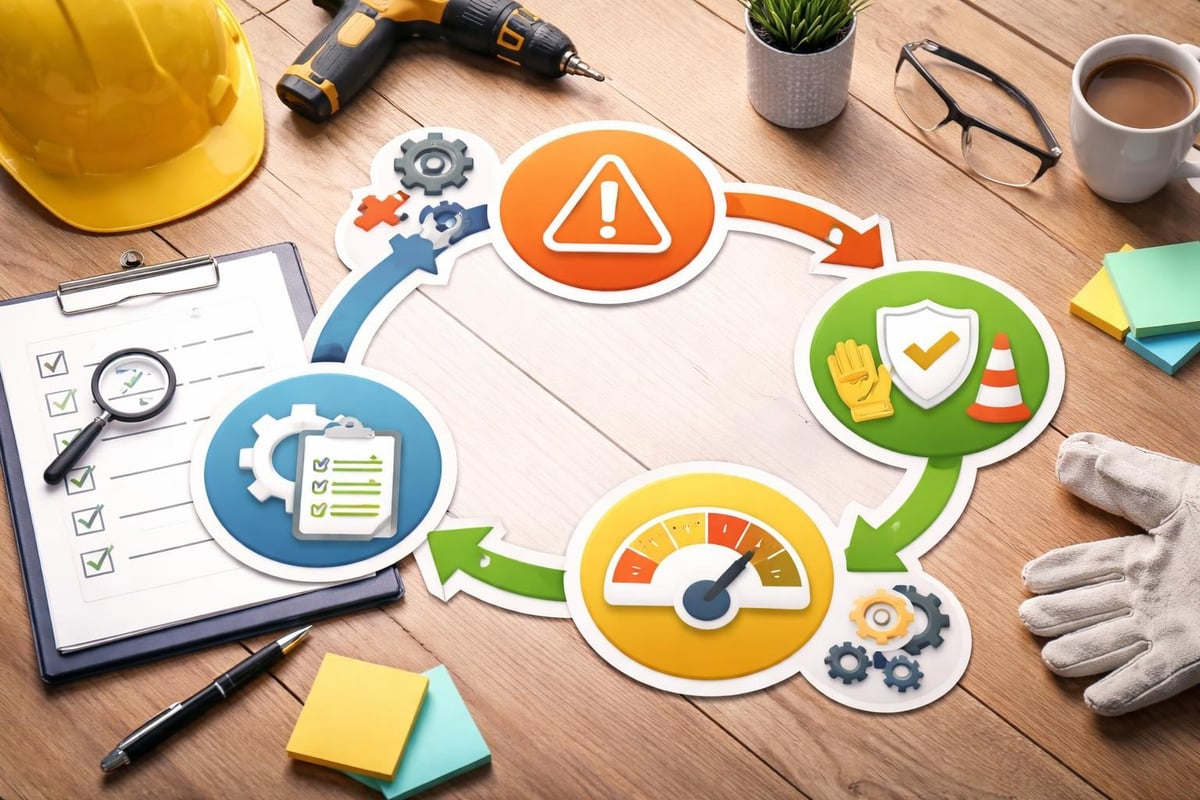
PUWER explicitly requires specific risks to be identified and addressed before equipment enters service. Generic risk assessments copied from templates fail to capture site-specific hazards or unique operational characteristics.
Effective risk assessments consider:
How equipment integrates with surrounding processes and systems
Competency levels of actual operators versus assumed skill levels
Cumulative effects of multiple hazards in the working environment
Potential for human error during routine and non-routine operations
Poor Documentation Systems
Businesses frequently maintain incomplete records that fail to demonstrate compliance adequately. Missing examination reports, unsigned certificates, or inadequate defect tracking create vulnerability during HSE inspections and complicate accident investigations.
Documentation Type | Retention Period | Critical Contents |
|---|---|---|
Thorough examination reports | 2 years minimum | Equipment identification, examination findings, defects, recommendations |
Inspection records | Duration of equipment use | Dates, inspector identity, outcomes, follow-up actions |
Maintenance logs | Equipment lifetime | Work performed, parts replaced, test results, next service due |
Training records | 3-5 years | Personnel trained, competencies achieved, refresher dates |
The LOLER equipment compliance framework provides detailed guidance on maintaining appropriate documentation standards for lifting equipment throughout its operational life.
Enforcement and Consequences of Non-Compliance
The Health and Safety Executive possesses extensive powers to enforce loler and puwer regulations through improvement notices, prohibition notices, and prosecution. Recent years have witnessed increased enforcement activity as the HSE adopts a more interventionist approach to workplace safety.
Enforcement Actions
When inspectors identify non-compliance, they may issue:
Improvement Notices requiring specific actions within defined timescales to address contraventions. Failure to comply constitutes a criminal offence potentially resulting in prosecution.
Prohibition Notices immediately halting use of dangerous equipment until specified safety improvements are completed. These carry serious operational implications for businesses dependent on the affected equipment.
Prosecution for serious breaches, with unlimited fines available in Crown Court proceedings. Corporate manslaughter charges may apply where non-compliance contributes to fatalities.
Financial and Reputational Consequences
Beyond direct penalties, loler and puwer non-compliance generates substantial indirect costs:
Operational disruption from prohibited equipment and production shutdowns
Accident compensation for injured employees and third parties
Insurance implications including increased premiums or coverage withdrawal
Reputational damage affecting customer confidence and tender opportunities
Management time diverted to investigations, remedial work, and legal proceedings
The safe work environment requirements extend beyond regulatory compliance to encompass broader organisational resilience and sustainability.
Selecting Competent Examination Providers
Choosing appropriate service providers for statutory examinations represents a critical compliance decision. Not all inspection companies possess equivalent competency, and selecting unsuitable providers creates significant legal and safety risks.
Qualifications and Accreditation
Competent persons conducting LOLER thorough examinations should hold relevant engineering qualifications and maintain membership with appropriate professional bodies. Look for:
Engineering degrees or equivalent technical qualifications
Professional registration with institutions such as the Institution of Mechanical Engineers
Specialist certifications for specific equipment types (cranes, pressure systems, etc.)
Continuing professional development demonstrating current knowledge
Independence and Objectivity
The regulations require examinations by competent persons who can make impartial judgements. Organisations conducting their own examinations using employed staff must demonstrate robust procedures preventing conflicts of interest.
Independent inspection companies offer:
Objective assessments free from operational pressures
Broader experience across multiple sites and industries
Access to specialist expertise for unusual equipment
Reduced liability for employer decision-making
Service Quality Indicators
Evaluate potential providers against criteria including:
Response times for scheduling inspections and issuing reports
Geographic coverage ensuring consistent service across all sites
Technical support providing guidance on compliance queries
Digital systems offering online access to certificates and records
Customer references from similar organisations in your sector
The lifting equipment inspection standards outline expectations for professional examination services meeting both regulatory requirements and operational needs.
Integrating LOLER and PUWER with Broader Safety Management
Whilst loler and puwer represent specific regulatory requirements, they function most effectively when integrated within comprehensive health and safety management systems rather than operating as isolated compliance activities.
Safety Culture Development
Organisations with mature safety cultures view statutory inspections as opportunities for continuous improvement rather than regulatory burdens. This perspective shift encourages:
Proactive identification of equipment issues before they escalate
Transparent reporting of defects without fear of blame
Collaborative problem-solving between operators, maintenance teams, and management
Investment prioritisation for equipment replacement and facility upgrades
Digital Transformation
Modern compliance management increasingly leverages digital technologies to streamline administration and enhance oversight:
Cloud-based systems provide centralised repositories for examination certificates, inspection schedules, and defect tracking accessible to authorised personnel across multiple locations.
Mobile applications enable examiners to complete reports on-site, upload photographs of defects, and trigger automatic notifications to responsible managers.
Predictive analytics identify patterns suggesting accelerated deterioration or systematic issues requiring strategic intervention beyond individual equipment repairs.
The mechanical engineering inspection framework demonstrates how technology supports efficient compliance management whilst maintaining examination quality and regulatory adherence.
Cross-Regulation Coordination
Businesses subject to multiple regulatory regimes benefit from coordinating inspection activities to maximise efficiency and identify interrelated compliance issues. LOLER and PUWER inspections often coincide with:
PSSR examinations for pressure systems integrated with lifting equipment
COSHH assessments where LEV systems incorporate mechanical extraction equipment
Insurance surveys conducted by insurers as policy conditions
Asset management reviews planning equipment replacement and capital investment
Navigating the complexities of loler and puwer requires specialist knowledge, systematic processes, and ongoing commitment to workplace safety. These regulations protect employees whilst helping businesses maintain operational continuity through well-maintained, reliable equipment. For organisations seeking expert support with statutory compliance, Workplace Inspection Services Ltd delivers comprehensive inspection services across LOLER, PUWER, PSSR, and COSHH/LEV regulations, helping businesses throughout the UK meet their legal obligations whilst fostering safer working environments.