Lifting Equipment Inspection: A Compliance Guide
Lifting Equipment Inspection: A Compliance Guide
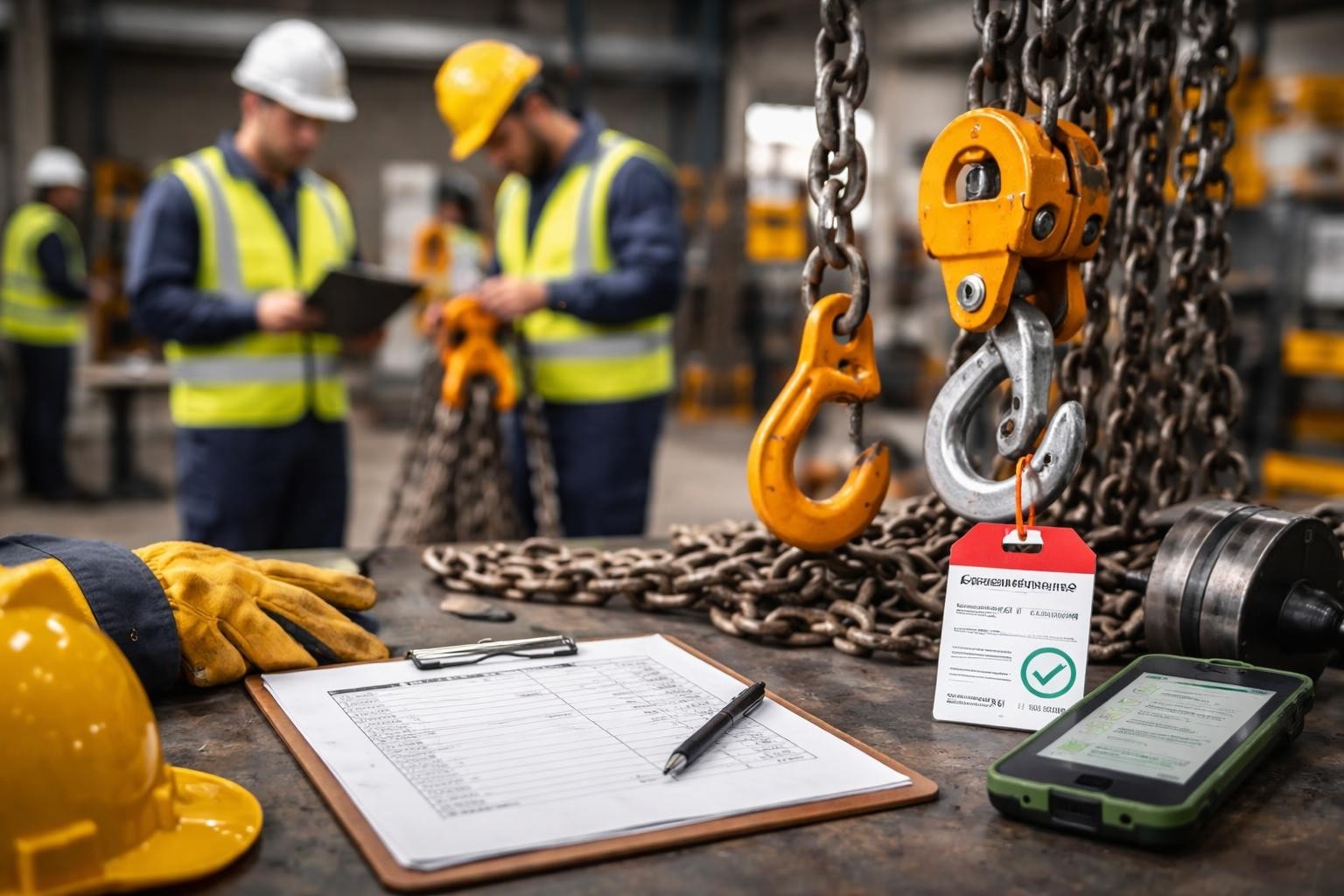
Lifting equipment plays an essential role in countless industries across the United Kingdom, from warehouses and construction sites to manufacturing facilities and logistics operations. However, the safe operation of cranes, hoists, lifting accessories and similar machinery depends entirely on proper maintenance and regular examination. A robust lifting equipment inspection programme not only protects employees from serious injury but also ensures organisations meet their statutory obligations under current health and safety legislation. Understanding the requirements, processes and best practices surrounding these inspections has never been more important for businesses seeking to maintain both compliance and operational efficiency.
Understanding the Legal Framework for Lifting Equipment Inspection
The regulatory landscape governing lifting equipment in the UK centres primarily on the Lifting Operations and Lifting Equipment Regulations 1998, commonly known as LOLER. These regulations mandate that all lifting equipment must be thoroughly examined by a competent person at specified intervals.
LOLER applies to a wide range of equipment including overhead cranes, mobile cranes, hoists, lift trucks, scissor lifts, and lifting accessories such as chains, slings, shackles and eyebolts. The legislation requires duty holders to ensure equipment is:
Sufficiently strong and stable for the intended use
Positioned and installed to minimise risks
Clearly marked with safe working loads
Subject to thorough examination before first use and at regular intervals thereafter
The Health and Safety Executive provides detailed guidance on thorough examinations and the role of competent persons. Beyond LOLER, organisations must also consider the Provision and Use of Work Equipment Regulations 1998 (PUWER), which sets broader requirements for equipment safety and maintenance.
The Role of Competent Persons
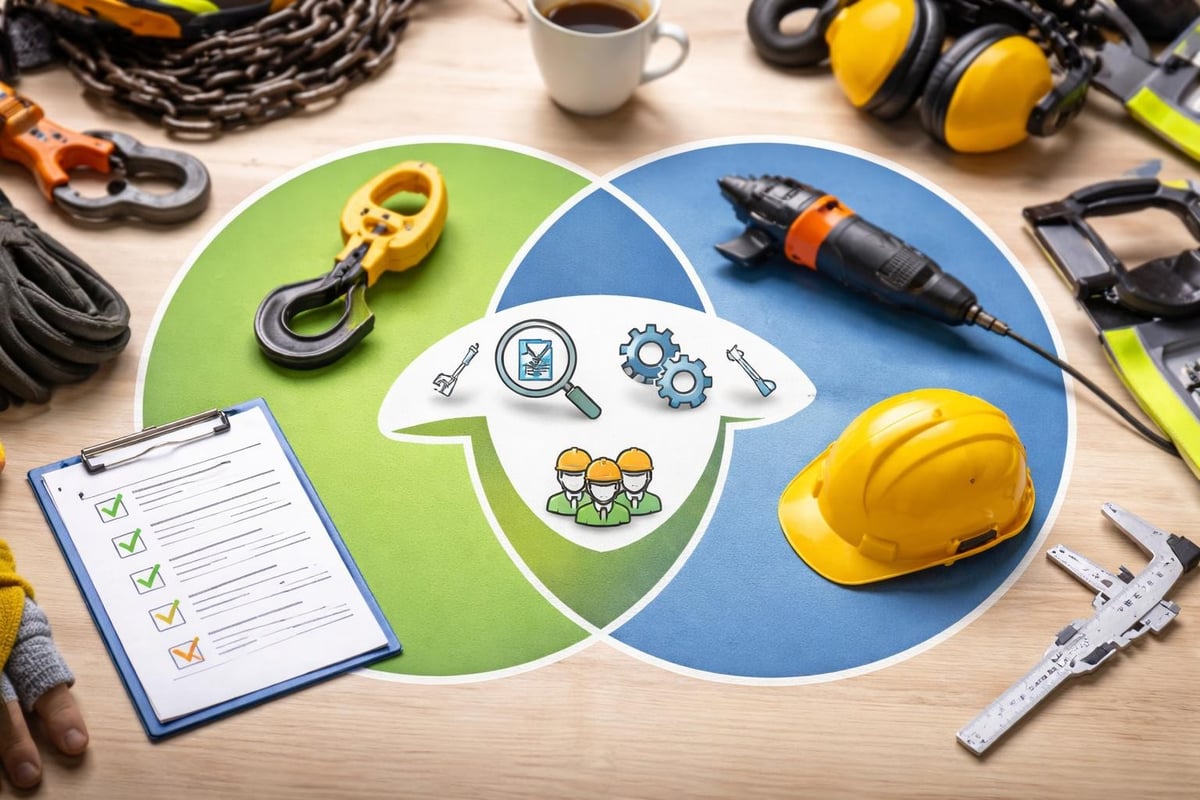
A competent person conducting a lifting equipment inspection must possess appropriate theoretical knowledge, practical experience and relevant qualifications. This individual needs to understand the equipment's construction, potential failure modes and the safety implications of defects.
Competency typically involves a combination of formal engineering qualifications, specific training in lifting equipment examination, and sufficient hands-on experience. Many organisations engage independent inspection companies to provide this expertise, ensuring impartial assessments free from internal pressures.
Inspection Frequency and Scheduling Requirements
Determining the appropriate inspection frequency for lifting equipment depends on several factors. LOLER specifies that thorough examinations must occur at intervals not exceeding:
Six months for equipment used to lift persons
Twelve months for other lifting equipment
At intervals specified in an examination scheme where one exists
However, these represent maximum intervals rather than universal standards. Equipment operating in harsh environments, subjected to intensive use or handling particularly heavy loads may require more frequent examination.
Equipment Type | Standard Maximum Interval | Factors Increasing Frequency |
|---|---|---|
Passenger lifts | 6 months | High usage, extreme temperatures |
Overhead cranes | 12 months | Heavy duty cycle, corrosive atmosphere |
Mobile cranes | 12 months | Outdoor storage, frequent relocation |
Lifting accessories | 6-12 months | Chemical exposure, impact damage |
Hoists (goods) | 12 months | Continuous operation, load variation |
Beyond statutory examinations, employers should implement pre-use inspections conducted by trained operators. These daily or shift-based checks identify obvious defects before equipment enters service. Understanding inspection frequency requirements helps organisations develop comprehensive examination schedules aligned with both regulatory obligations and operational realities.
Key Elements of a Thorough Examination
A comprehensive lifting equipment inspection goes far beyond a cursory visual check. Competent persons systematically evaluate numerous components and characteristics to identify actual or potential defects.
Structural Integrity Assessment
The examination begins with detailed inspection of load-bearing components. For cranes, this includes checking the structural steelwork, welds, bolted connections and supporting frameworks for cracks, corrosion, deformation or fatigue damage. Lifting accessories undergo similar scrutiny, with particular attention to wear patterns on chains, fraying in wire ropes, and distortion in hooks or shackles.
Examiners use various techniques including visual inspection, dimensional measurement and non-destructive testing methods. Critical welds may be examined using dye penetrant or magnetic particle inspection to reveal surface-breaking defects invisible to the naked eye.
Safety Systems and Controls
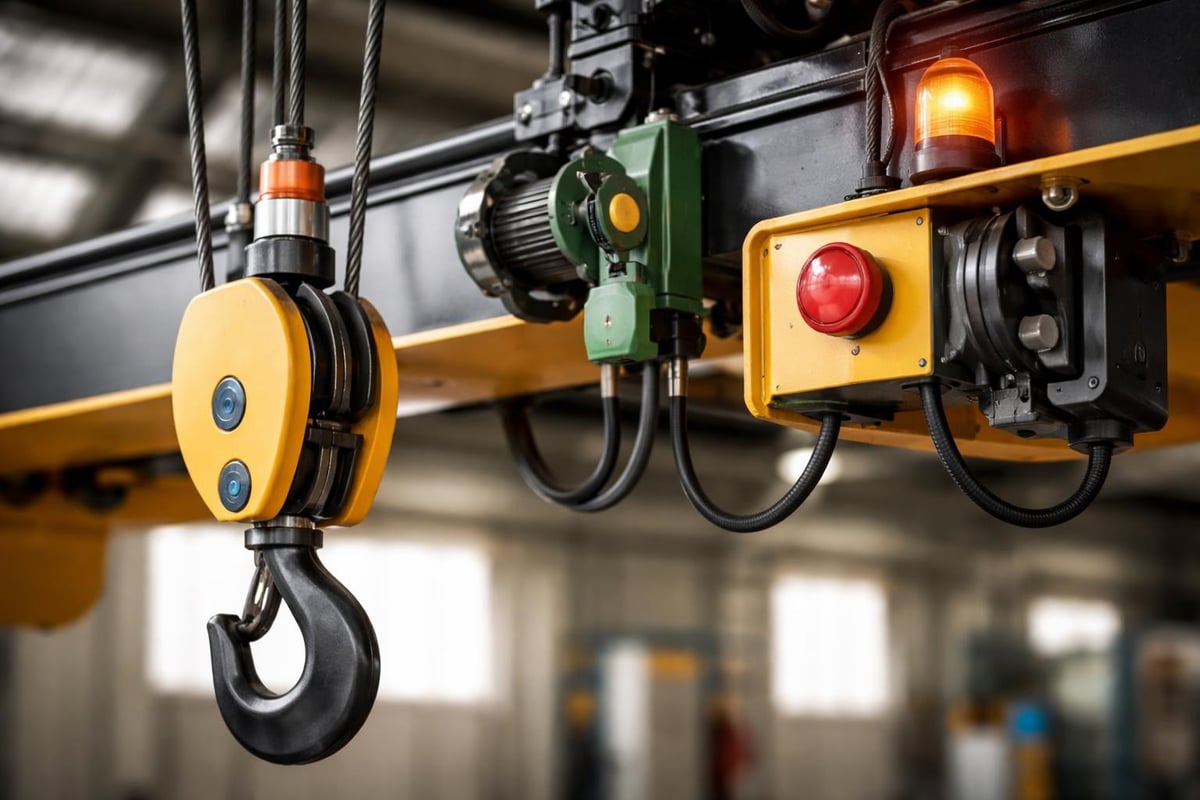
Modern lifting equipment incorporates numerous safety devices designed to prevent overloading, uncontrolled movement or unauthorised operation. The inspection process verifies that:
Overload protection devices function correctly and are properly calibrated
Limit switches prevent over-travel in both horizontal and vertical planes
Emergency stop controls operate effectively and are clearly identified
Brake systems provide adequate holding force under maximum load conditions
Warning devices and indicators function as designed
Testing these systems often requires operating the equipment under controlled conditions, observing performance and measuring critical parameters.
Documentation Review
An effective lifting equipment inspection includes reviewing maintenance records, previous examination reports and operating logs. This historical perspective helps identify developing trends, recurring issues or inadequate maintenance practices. The competent person considers whether defects noted in previous reports have been properly rectified and whether recommended actions have been implemented.
Common Defects Identified During Inspections
Experience across thousands of examinations reveals recurring patterns in lifting equipment deterioration and failure modes. Recognising these common issues helps organisations prioritise preventive maintenance and operator training.
Wear and deformation represent the most frequently encountered defects. Wire rope slings develop broken wires, crushing or reduction in diameter through repeated flexing and loading. Chain slings experience elongation, twisted links or wear at bearing points. Hooks show opening of the throat dimension or bending of the shank.
Corrosion damage affects equipment exposed to weather, chemical atmospheres or marine environments. Surface rust may be cosmetic, but pitting corrosion or section loss in structural members creates serious safety concerns. Galvanised or painted finishes deteriorate over time, accelerating corrosion in underlying metal.
Mechanical failures include worn bearings, damaged gears, leaking hydraulic systems and electrical faults. These defects may develop gradually through normal wear or appear suddenly following component failure. Regular inspection identifies deterioration before complete breakdown occurs.
William Hackett's practical guide emphasises the importance of systematic examination procedures in identifying these defects before they compromise safety.
The Inspection Process Step by Step
A professional lifting equipment inspection follows a structured methodology ensuring consistent, thorough examination regardless of equipment type or location.
Pre-inspection preparation: Review equipment specifications, previous reports and maintenance history. Verify equipment identification and confirm examination is due.
Visual examination: Conduct systematic inspection of all accessible components, looking for obvious damage, wear, corrosion or modification.
Functional testing: Operate equipment through its full range of motion, verifying proper operation of controls, safety devices and mechanical systems.
Detailed measurement: Use precision instruments to measure critical dimensions, checking for wear, deformation or out-of-tolerance conditions.
Load testing (when required): Apply test loads to verify structural integrity and system performance under realistic conditions.
Documentation: Record all findings, identifying defects as either requiring immediate action or monitoring during subsequent examinations.
Reporting: Prepare formal report detailing examination findings, defects identified and recommendations for remedial action.
For organisations requiring LOLER inspections, professional inspection companies bring the expertise, equipment and impartiality necessary to conduct these examinations effectively, providing comprehensive reports that satisfy regulatory requirements whilst offering practical guidance on equipment management.
Managing Inspection Records and Documentation
Effective record-keeping forms an essential component of any lifting equipment inspection programme. LOLER requires that examination reports are kept until the next examination is completed, or for two years, whichever is longer. However, maintaining comprehensive historical records offers significant advantages beyond mere compliance.
Essential Documentation Components
Proper records include:
Equipment registers listing all lifting equipment, locations, safe working loads and examination due dates
Examination reports detailing findings, defects and remedial actions required
Maintenance logs recording repairs, parts replacement and servicing activities
Operator inspection records documenting daily or pre-use checks
Incident reports capturing any failures, near-misses or unusual occurrences
Digital management systems increasingly replace paper-based records, offering searchable databases, automated reminder systems and trend analysis capabilities. Understanding broader inspection regulations helps organisations develop integrated compliance management systems covering all statutory examination requirements.
Acting on Inspection Findings
The true value of lifting equipment inspection lies not in the examination itself but in the actions taken following identification of defects. Reports typically categorise findings as:
Category | Description | Action Required |
|---|---|---|
Immediate danger | Defect creating imminent risk of serious injury | Remove from service immediately |
Significant deterioration | Defect requiring repair before next examination | Schedule remedial work, monitor usage |
Minor issues | Wear within acceptable limits or cosmetic damage | Note for future monitoring |
Recommendations | Suggested improvements to maintenance or operation | Consider for implementation |
Equipment identified as presenting immediate danger must be withdrawn from service until repairs are completed and verified through re-examination. Organisations face potential enforcement action if they continue operating dangerous equipment following notification of defects.
Developing an Effective Inspection Programme
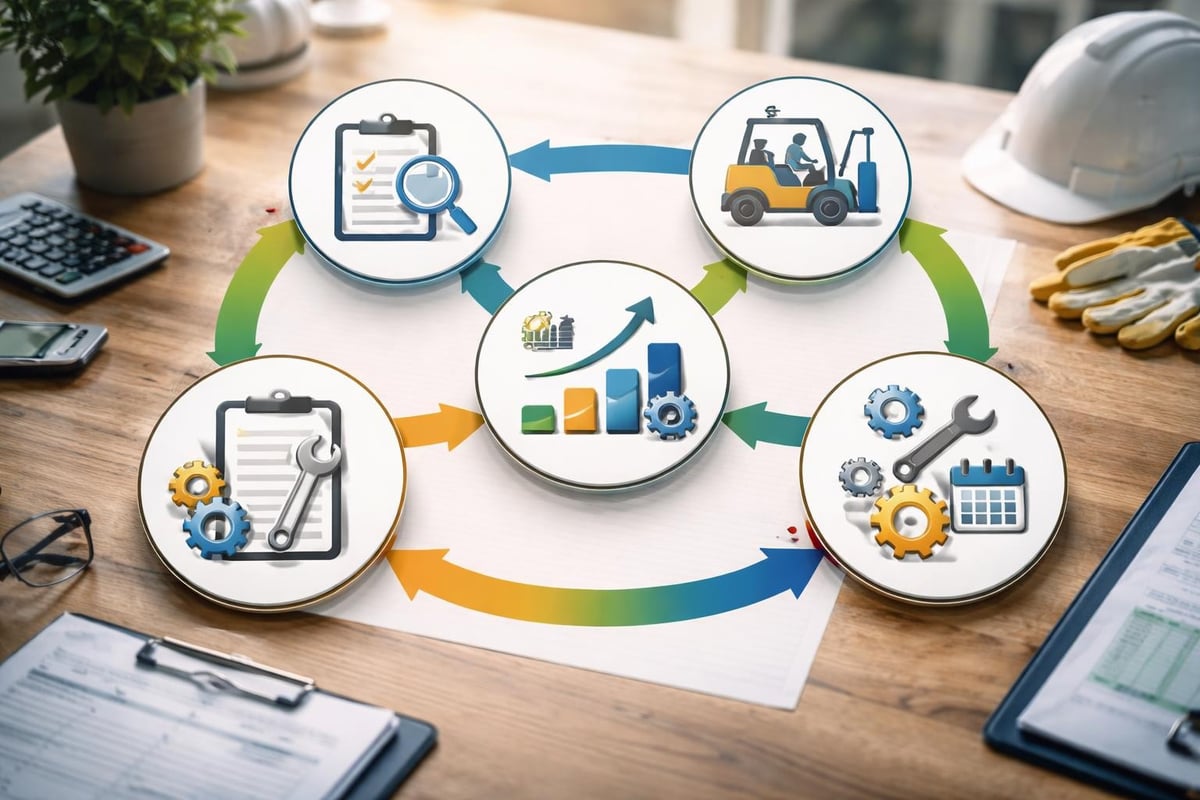
Creating a comprehensive approach to lifting equipment inspection requires more than simply booking annual examinations. Successful programmes integrate statutory requirements with practical operational considerations.
Risk-Based Approach
Not all lifting equipment presents identical risks. A risk assessment considers:
Consequence of failure: Equipment lifting persons presents greater risk than equipment handling only materials
Usage intensity: Equipment operating continuously faces different challenges than occasionally-used items
Operating environment: Harsh conditions accelerate deterioration
Load characteristics: Repeated near-maximum loading creates different stresses than varied, lighter loads
Age and condition: Older equipment or items with known issues require closer attention
This assessment informs examination frequency, inspection rigour and maintenance investment. Guidance on inspection frequency helps organisations tailor programmes to specific circumstances whilst maintaining compliance.
Integration with Maintenance Activities
Lifting equipment inspection works most effectively when coordinated with planned maintenance. Scheduling examinations during maintenance shutdowns minimises operational disruption whilst allowing access for both inspection and immediate rectification of identified defects.
Preventive maintenance informed by examination findings addresses wear and deterioration before defects develop. Lubrication programmes, adjustment procedures and component replacement schedules all benefit from insights gained through regular inspection.
Operator Training and Engagement
Well-trained operators represent the first line of defence in lifting equipment safety. Effective programmes include:
Pre-use inspection training teaching operators what to look for and when to report concerns
Safe working practice instruction covering load calculation, rigging techniques and equipment limitations
Defect reporting procedures creating clear channels for communicating problems
Incident investigation learning from failures to prevent recurrence
Organisations supporting various industries develop tailored training programmes addressing sector-specific challenges and equipment types.
The Financial and Operational Benefits
Whilst regulatory compliance drives many lifting equipment inspection programmes, the practice delivers substantial business benefits beyond avoiding enforcement action.
Reduced downtime results from identifying developing problems before catastrophic failure occurs. Planned repairs during scheduled maintenance windows cost far less than emergency breakdown response. Equipment availability improves when inspections prevent unexpected failures.
Extended equipment life follows from proper maintenance informed by inspection findings. Addressing minor deterioration prevents progression to major structural damage requiring expensive replacement. Well-maintained lifting equipment operates reliably for decades rather than years.
Insurance and liability protection strengthens when organisations demonstrate robust inspection regimes. Documented examination programmes show due diligence in the event of incidents, potentially reducing insurance premiums and limiting liability exposure.
Operational efficiency increases when lifting equipment operates at peak performance. Properly maintained machinery moves loads smoothly, responds predictably to controls and requires less operator intervention. Production rates improve whilst energy consumption decreases.
Selecting Inspection Service Providers
Organisations lacking in-house competent persons typically engage external inspection companies. Choosing the right provider requires considering several factors beyond simple cost comparison.
Qualifications and Accreditation
Reputable inspection companies employ engineers holding recognised qualifications in mechanical or structural engineering. Additional specialist certifications in non-destructive testing, lifting equipment examination or specific equipment types demonstrate commitment to professional standards.
Third-party accreditation provides independent verification of technical competence. Accreditation to standards such as ISO 17020 for inspection bodies confirms that providers operate quality management systems and maintain appropriate technical capabilities.
Independence and Impartiality
The competent person conducting examinations must remain independent from commercial pressures to minimise findings or rush inspections. Nationwide independent providers offer impartial assessments focused solely on safety and compliance rather than equipment sales or repair services.
Practical Considerations
Beyond technical competence, effective inspection providers offer:
Responsive scheduling accommodating operational requirements and minimising disruption
Clear reporting presenting findings in accessible formats with practical recommendations
Technical support providing guidance on defect rectification and compliance questions
Geographic coverage serving multiple sites consistently across regions
Integrated services addressing various statutory inspection requirements through single provider relationships
References from existing clients, reviews of service quality and demonstrated sector experience all inform provider selection decisions.
Emerging Technologies and Future Developments
The lifting equipment inspection field continues evolving as new technologies enhance examination capabilities and efficiency. Digital inspection tools, advanced sensors and data analytics increasingly supplement traditional examination methods.
Wireless load monitoring systems provide continuous measurement of actual loads being lifted, comparing these against safe working limits and alerting operators to potential overloading. Data logging capabilities create permanent records of equipment usage patterns, informing maintenance scheduling and examination focus areas.
Drone-based inspections enable visual examination of high-level crane components without requiring expensive access equipment or shutdown periods. High-resolution cameras capture detailed images of structural elements, welds and mechanical components for analysis by competent persons.
Predictive maintenance technologies use vibration analysis, thermal imaging and ultrasonic testing to identify developing faults before visible symptoms appear. These condition-monitoring approaches complement scheduled examinations, potentially reducing inspection frequency for closely-monitored equipment whilst maintaining or improving safety standards.
Digital reporting platforms replace paper-based systems with mobile applications enabling on-site data capture, photograph integration and immediate report generation. Cloud-based databases centralise records across multiple sites, automate compliance tracking and facilitate trend analysis across equipment fleets.
Whilst these technologies enhance inspection effectiveness, they supplement rather than replace the expertise of competent persons. The judgment, experience and contextual understanding that qualified engineers bring remain essential to identifying subtle defects and assessing safety implications.
Industry-Specific Considerations
Different sectors face unique challenges in managing lifting equipment inspection programmes. Understanding these variations helps organisations develop tailored approaches aligned with operational realities.
Manufacturing and Fabrication
Manufacturing environments typically feature extensive overhead crane systems, jib cranes and lifting accessories supporting production processes. Intensive daily use, exposure to grinding dust, welding fumes and metal swarf creates demanding conditions. Inspection programmes must address environmental factors whilst minimising production disruption. Fabrication workshops benefit from coordinated scheduling aligning inspections with planned maintenance shutdowns.
Warehousing and Logistics
Distribution centres rely on fork-lift trucks, pallet stackers and dock levellers for material handling. High throughput operations make equipment availability critical, requiring efficient inspection processes and rapid defect rectification. The transient nature of some equipment, such as hired fork-lifts, creates tracking challenges addressed through comprehensive asset registers.
Construction Sites
Temporary installations, mobile equipment and frequently changing layouts characterise construction environments. Inspection programmes must accommodate equipment movements between sites whilst ensuring examinations remain current. Harsh outdoor conditions and potential impact damage require robust pre-use checks supplementing statutory examinations.
Regular, professional lifting equipment inspection represents an essential investment in workplace safety, regulatory compliance and operational efficiency. By understanding legal requirements, implementing comprehensive examination programmes and partnering with competent inspection providers, organisations protect both their employees and their business interests. Workplace Inspection Services Ltd supports businesses across the United Kingdom with expert statutory inspections, helping maintain compliance whilst reducing risk through professional, independent assessments delivered by qualified engineers.