Compliance Safety: Essential Guide for UK Workplaces
Compliance Safety: Essential Guide for UK Workplaces

Compliance safety represents the critical intersection between regulatory requirements and workplace protection, forming the foundation of responsible business operations across the United Kingdom. In 2026, organisations face an increasingly complex landscape of statutory obligations designed to safeguard employees, contractors and visitors whilst minimising operational risks. Understanding and implementing robust compliance safety measures is no longer optional but essential for businesses seeking to protect their workforce, maintain operational continuity and avoid significant legal and financial consequences. The engineering and manufacturing sectors particularly require rigorous attention to inspection regulations that govern everything from lifting equipment to pressure systems.
The Foundation of Compliance Safety in UK Workplaces
Compliance safety encompasses the systematic approach organisations take to meet their legal obligations whilst creating genuinely safe working environments. This discipline extends far beyond simple box-ticking exercises, requiring deep understanding of applicable regulations, risk assessment methodologies and ongoing monitoring systems.
The core elements of effective compliance safety include:
Regular statutory inspections conducted by competent persons
Comprehensive documentation and record-keeping systems
Employee training and competency verification programmes
Risk assessment and hazard identification processes
Maintenance schedules aligned with manufacturer specifications
Emergency response procedures and incident reporting mechanisms
The Occupational Safety and Health Administration (OSHA) provides foundational resources that inform global best practices, though UK businesses must primarily focus on domestic legislation. Compliance safety requires organisations to remain current with evolving standards, particularly as technology advances and new equipment enters workplaces.
Understanding Statutory Obligations
UK legislation places explicit duties on employers to ensure equipment safety and operational integrity. The Lifting Operations and Lifting Equipment Regulations 1998 (LOLER), Provision and Use of Work Equipment Regulations 1998 (PUWER), Pressure Systems Safety Regulations 2000 (PSSR) and Control of Substances Hazardous to Health Regulations collectively establish the compliance safety framework for most industrial operations.
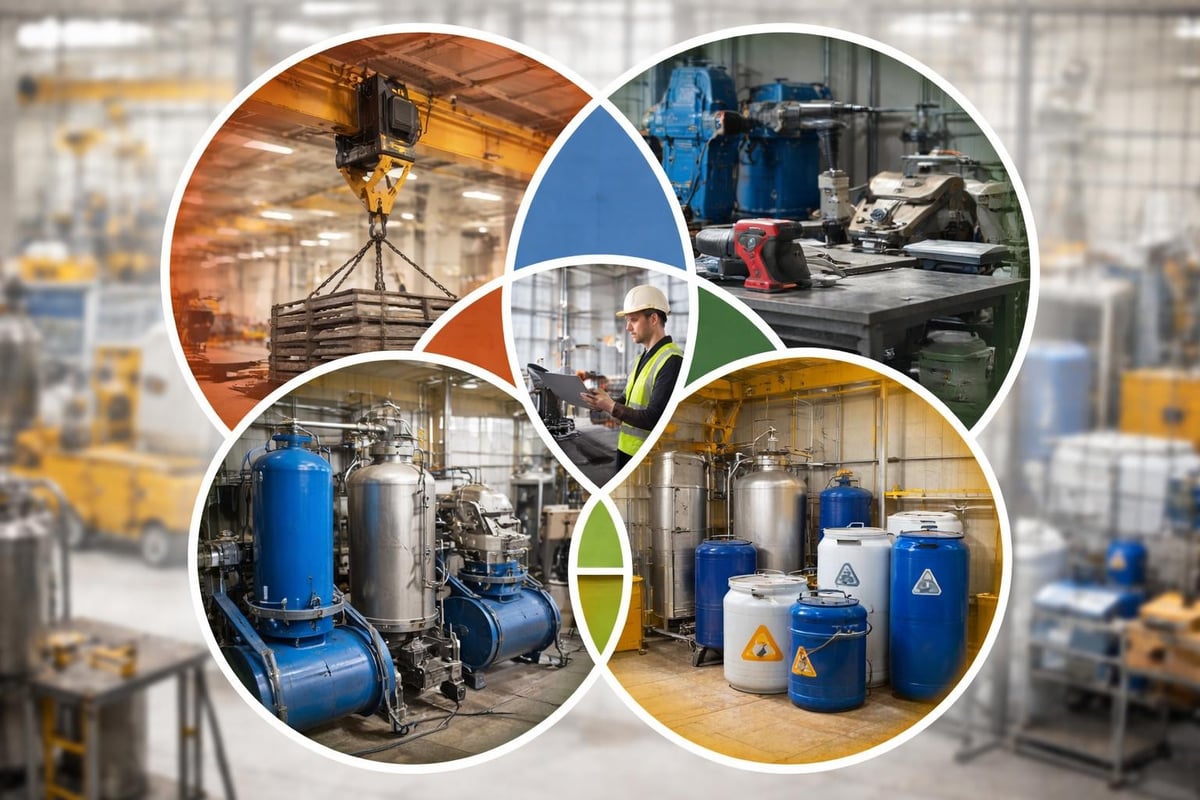
Each regulation addresses specific equipment categories and hazard types, creating overlapping responsibilities that organisations must navigate carefully. For example, a manufacturing facility might require LOLER inspections for overhead cranes whilst simultaneously managing PUWER obligations for production machinery and PSSR requirements for compressed air systems.
Risk Management Through Systematic Inspections
Compliance safety fundamentally relies on thorough, regular inspections conducted by qualified engineers who understand both regulatory requirements and practical operational considerations. These examinations identify developing faults, material degradation and operational deficiencies before they escalate into serious incidents.
Inspection Type | Primary Purpose | Typical Frequency | Key Outcomes |
|---|---|---|---|
Thorough Examination | Statutory compliance verification | 6-12 months | Certification, defect identification |
In-Service Inspection | Operational safety checks | Daily/weekly | Immediate hazard detection |
Maintenance Inspection | Preventive servicing | Manufacturer-specified | Component replacement, adjustment |
Incident Investigation | Post-failure analysis | As required | Root cause determination |
The NIOSH Authoritative Recommendations Program demonstrates how evidence-based guidelines prevent workplace injuries through systematic approaches. UK businesses benefit from adopting similar methodologies, combining regulatory compliance with proactive safety management.
Developing a Compliance Safety Culture
Organisational culture significantly impacts compliance safety effectiveness. Businesses where safety represents a genuine priority rather than regulatory burden consistently achieve better outcomes across all measurable parameters.
Cultural indicators of strong compliance safety include:
Senior management actively participating in safety initiatives
Open reporting systems where employees feel comfortable raising concerns
Regular safety communications and training updates
Recognition programmes rewarding safe practices
Transparent incident investigation processes
Allocation of appropriate resources for compliance activities
Research shows that authority and expertise significantly influence compliance intentions and safety behaviours, highlighting the importance of credible leadership in compliance safety programmes. When management demonstrates genuine commitment, employees respond with increased vigilance and adherence to safety protocols.
Documentation and Evidence Management
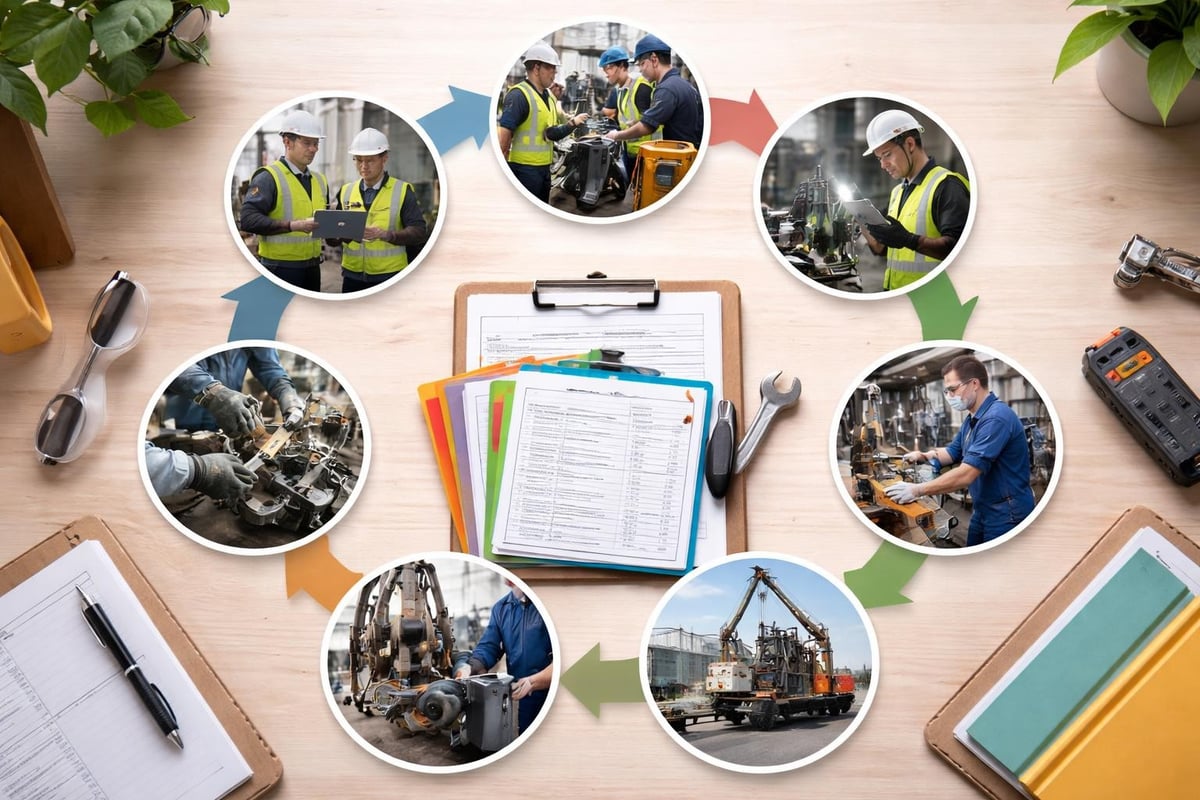
Effective compliance safety requires meticulous documentation creating an auditable trail of inspections, maintenance activities, training records and incident responses. This paperwork serves multiple purposes: demonstrating due diligence to regulators, supporting insurance claims, informing operational decisions and protecting organisations legally.
Modern compliance safety management increasingly relies on digital systems replacing traditional paper-based approaches. Electronic record-keeping offers searchable databases, automated reminder systems, photographic evidence capabilities and simplified reporting functions that enhance both efficiency and accuracy.
Essential Documentation Components
Every compliance safety system should maintain comprehensive records across several categories. Inspection reports form the cornerstone, detailing equipment condition, identified defects, required actions and certification status. These documents must be retained for specified periods, often extending beyond the equipment's operational life.
Training records prove employee competency, documenting both initial qualifications and ongoing refresher courses. Workplace safety inspections require operators to understand equipment capabilities, limitations and emergency procedures, making training documentation legally significant.
Critical documentation categories include:
Thorough examination certificates and reports
Risk assessments and method statements
Maintenance logs and service records
Operator training certificates
Written schemes of examination
Incident and near-miss reports
Corrective action tracking systems
The HITRUST authoritative sources framework demonstrates how mapping multiple regulations creates comprehensive compliance structures, an approach equally valuable for workplace compliance safety programmes.
Competent Persons and Independent Verification
Compliance safety regulations require inspections by "competent persons" possessing appropriate combinations of training, experience and knowledge. This requirement ensures examinations genuinely assess equipment safety rather than simply fulfilling bureaucratic obligations.
Independent engineering inspection companies provide objective assessments free from operational pressures that might compromise internal inspections. This independence proves particularly valuable during incident investigations or regulatory audits where impartiality becomes critical.
Selecting Qualified Inspection Providers
Organisations must verify that inspection providers possess relevant accreditations, insurance coverage and sector-specific expertise. General engineering knowledge proves insufficient for specialised equipment requiring detailed understanding of operational stresses, failure modes and regulatory nuances.
Nationwide coverage ensures consistent service delivery across multi-site operations, particularly important for businesses with geographically dispersed facilities requiring coordinated inspection frequency schedules. Provider stability and reputation significantly impact long-term compliance safety effectiveness.
Industry-Specific Compliance Challenges
Different sectors face unique compliance safety considerations reflecting their operational characteristics, equipment types and risk profiles. Manufacturing environments managing heavy machinery encounter different challenges than care facilities operating passenger lifts or educational institutions maintaining workshop equipment.
Sector | Primary Equipment Risks | Key Compliance Focus | Common Challenges |
|---|---|---|---|
Manufacturing | Production machinery, lifting gear | PUWER, LOLER | Aging equipment, production pressure |
Warehousing | Forklifts, dock levellers, racking | LOLER, structural integrity | High utilisation rates |
Healthcare | Hoists, pressure vessels, ventilation | LOLER, PSSR, LEV | 24/7 operations, critical services |
Education | Workshop equipment, science apparatus | PUWER, COSHH | Budget constraints, varied users |
Understanding industry-specific compliance requirements enables organisations to prioritise resources effectively whilst maintaining comprehensive safety coverage. The OmniCompliance-100K dataset illustrates how real-world compliance cases across multiple domains inform better safety measures.
Managing Equipment Lifecycles
Compliance safety extends throughout equipment lifecycles from initial procurement through operational use to eventual decommissioning. Purchasing decisions should consider long-term maintenance requirements, spare parts availability and inspection accessibility alongside immediate functional needs.
Lifecycle management considerations include:
Specification review ensuring regulatory compliance
Installation verification and commissioning inspections
Operator training and competency assessment
Scheduled examination and maintenance programmes
Modification control and documentation
Retirement criteria and disposal procedures
Older equipment often presents heightened compliance safety challenges as components wear, replacement parts become scarce and technology standards evolve. Organisations must balance operational continuity against mounting maintenance costs and increasing failure risks.
Financial and Legal Implications
Non-compliance carries severe consequences extending beyond immediate safety concerns. Health and Safety Executive (HSE) enforcement actions range from improvement and prohibition notices through prosecutions potentially resulting in unlimited fines and custodial sentences for responsible individuals.
Insurance implications prove equally significant, with policies typically requiring demonstrated compliance as coverage prerequisites. Claims following incidents involving non-compliant equipment face rejection, leaving organisations financially exposed to compensation claims, equipment replacement costs and business interruption losses.
Cost-Benefit Analysis
Investing in robust compliance safety programmes delivers measurable returns through reduced incident rates, lower insurance premiums, enhanced productivity and protected reputation. Systematic inspections identify developing problems during planned maintenance windows rather than forcing expensive emergency repairs following catastrophic failures.
The true cost of non-compliance extends beyond direct financial penalties. Workplace accidents damage employee morale, disrupt operations, attract negative publicity and trigger regulatory scrutiny that can affect broader business activities. Conversely, strong compliance and safety management creates competitive advantages when tendering for contracts increasingly demanding safety credentials.

Emerging Technologies and Compliance Safety
Digital transformation impacts compliance safety through predictive maintenance systems, remote monitoring capabilities and data analytics identifying patterns invisible to traditional inspection approaches. Internet of Things (IoT) sensors continuously monitor equipment parameters, alerting operators to abnormal conditions before failures occur.
However, technology introduces new compliance considerations. Organisations must ensure digital systems themselves remain secure, reliable and properly maintained. The HSEBox information sources guidance emphasises maintaining updated management systems that incorporate evolving technological capabilities whilst remaining compliant with current legislation.
Integrating Traditional and Modern Approaches
Effective compliance safety programmes blend proven inspection methodologies with innovative technologies. Physical thorough examinations remain irreplaceable for detecting material degradation, structural damage and mechanical wear that sensors cannot identify. Technology augments rather than replaces competent human assessment.
Cloud-based compliance management platforms centralise documentation, automate scheduling and provide real-time visibility across entire equipment portfolios. These systems support comprehensive compliance approaches whilst ensuring accessibility for remote sites and mobile inspection teams.
Building Resilient Compliance Systems
Resilience represents compliance safety's ability to withstand operational pressures, resource constraints and unexpected disruptions whilst maintaining protective effectiveness. Resilient systems incorporate redundancy, flexibility and continuous improvement mechanisms that adapt to changing circumstances.
Resilience characteristics include:
Multiple verification layers preventing single-point failures
Cross-trained personnel ensuring continuity during absences
Documented procedures accessible to all relevant staff
Regular system audits identifying weaknesses before incidents
Stakeholder engagement incorporating diverse perspectives
Performance metrics tracking leading and lagging indicators
Organisations should regularly test compliance safety systems through desktop exercises simulating equipment failures, regulatory audits or resource shortages. These exercises reveal process gaps and training needs in controlled environments rather than during actual emergencies.
Continuous Improvement Frameworks
Compliance safety excellence requires ongoing refinement based on incident analysis, near-miss investigation, audit findings and industry developments. Organisations should establish formal review processes examining system effectiveness at planned intervals, incorporating lessons learned and identifying enhancement opportunities.
Benchmarking against industry standards and peer organisations provides external perspectives on performance. The Safety Compliance Management resources offer valuable reference materials supporting continuous improvement initiatives across multiple regulatory domains.
Compliance Safety in Supply Chain Management
Modern businesses operate within complex supply chains where multiple organisations share responsibility for equipment safety. Contractors, suppliers and service providers must all demonstrate appropriate compliance safety standards, creating verification challenges for principal organisations.
Due diligence requires systematic assessment of supply chain partners' safety credentials, inspection records and competency documentation. Contractual arrangements should explicitly define compliance responsibilities, documentation requirements and performance standards, creating accountability throughout operational relationships.
Managing Third-Party Risks
Equipment leased or hired from external suppliers remains subject to the same regulatory requirements as owned assets. Organisations must verify that lessors maintain appropriate inspection schedules and provide current certification before equipment enters workplaces. Written schemes of examination should clearly identify responsibility allocation for hired equipment.
Contractors working on-site introduce additional complexity, particularly when providing their own equipment or servicing existing installations. Permit-to-work systems, competency verification and coordination procedures ensure compliance safety standards remain consistent regardless of employment relationships.
Training and Competency Development
Human capability underpins every compliance safety system, making training investment essential for programme effectiveness. Operators require equipment-specific knowledge covering normal operation, routine checks, emergency procedures and fault reporting protocols.
Effective training programmes incorporate:
Initial qualification courses establishing foundational knowledge
Hands-on practical sessions under supervision
Competency assessments verifying understanding
Refresher training maintaining current awareness
Specialised modules for complex or hazardous equipment
Managerial training on compliance oversight responsibilities
Training effectiveness depends on relevance, currency and accessibility. Generic courses rarely address specific workplace conditions, making tailored programmes more valuable despite higher development costs. Regular updates ensure content reflects regulatory changes, technological advances and operational modifications affecting workplace safety requirements.
Compliance safety represents an ongoing commitment requiring systematic approaches, competent personnel and organisational dedication extending throughout all operational levels. Businesses investing in robust inspection programmes, thorough documentation and continuous improvement protect their most valuable assets whilst meeting statutory obligations. Workplace Inspection Services Ltd supports organisations across the United Kingdom through expert statutory inspections under LOLER, PUWER, PSSR and COSHH regulations, helping businesses maintain compliance, reduce operational risks and create genuinely safe working environments for their teams.