Safety and Compliance: Engineering Inspections Guide 2026
Safety and Compliance: Engineering Inspections Guide 2026
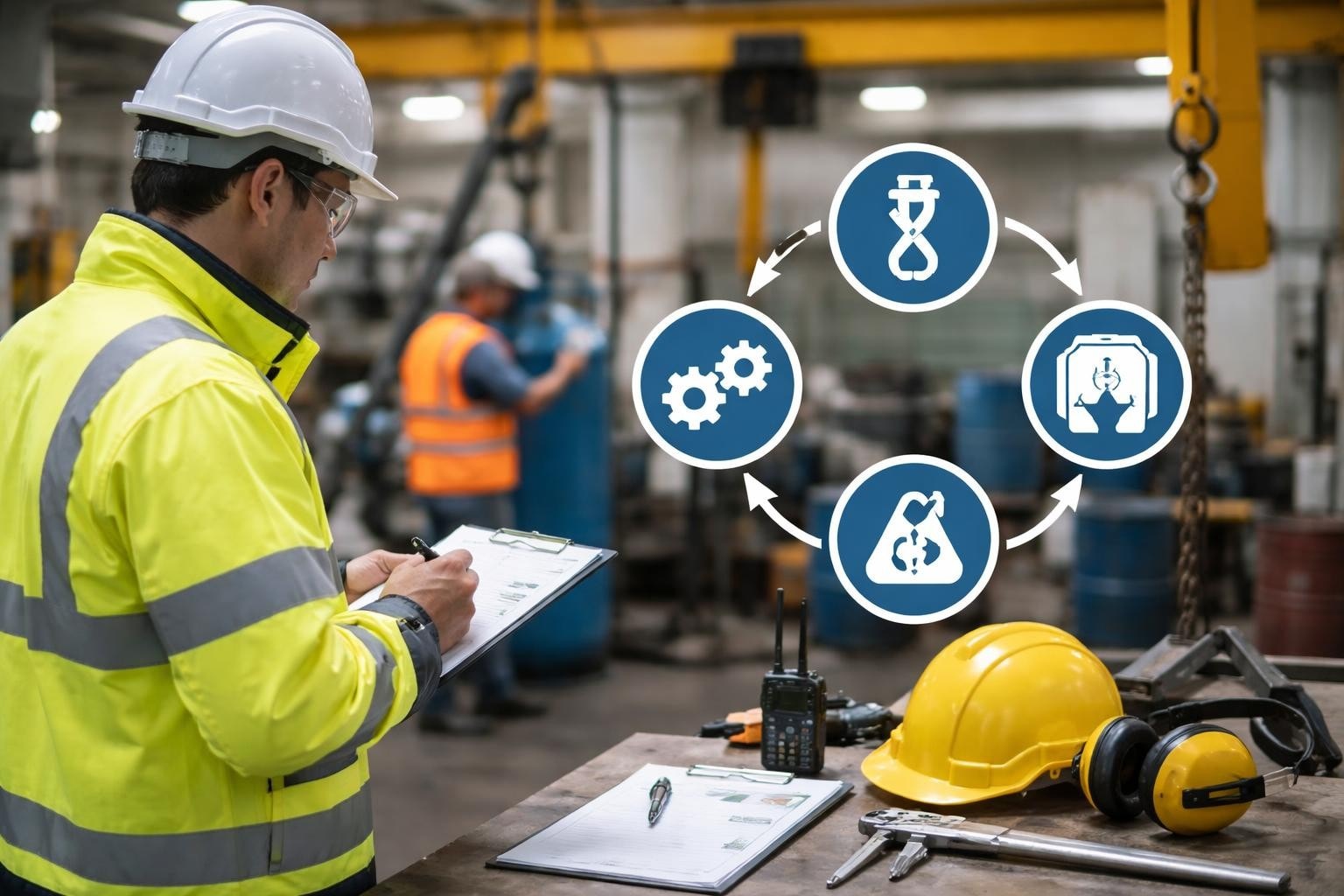
Safety and compliance represents the foundation of responsible business operations across all industrial sectors in the United Kingdom. For organisations managing complex workplace equipment, pressure systems, lifting apparatus and hazardous substances, maintaining rigorous standards isn't merely a regulatory checkbox exercise-it's a fundamental commitment to protecting employees, visitors and operational continuity. Engineering inspections serve as the critical verification mechanism that bridges legal obligations with practical workplace safety, ensuring businesses operate within established frameworks whilst minimising risk exposure.
Understanding the Legal Framework for Safety and Compliance
The regulatory landscape governing workplace safety and compliance has evolved significantly over recent decades, creating a comprehensive network of statutory requirements that businesses must navigate. The Occupational Safety and Health Administration has influenced global safety standards, whilst UK-specific legislation establishes clear obligations for employers.
Key regulations form the backbone of engineering safety and compliance:
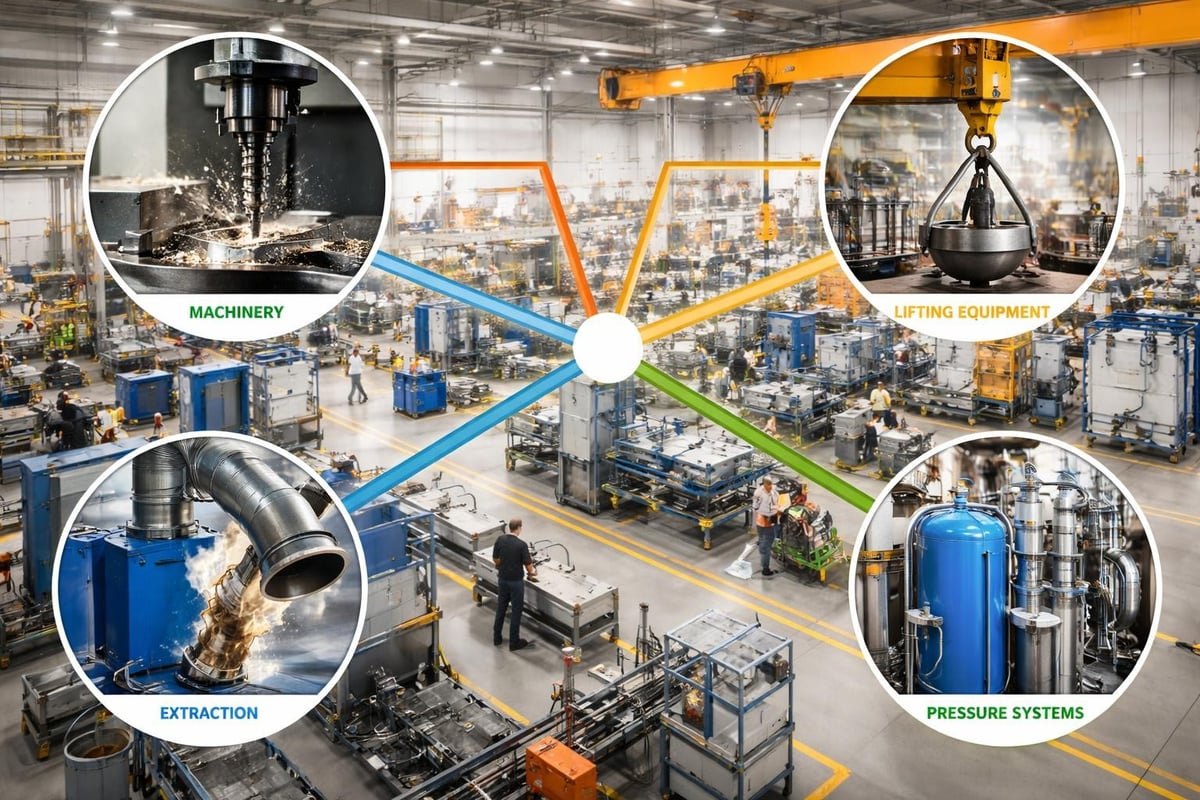
Lifting Operations and Lifting Equipment Regulations 1998 (LOLER) governing all lifting equipment
Provision and Use of Work Equipment Regulations 1998 (PUWER) covering general machinery safety
Pressure Systems Safety Regulations 2000 (PSSR) addressing pressure vessels and systems
Control of Substances Hazardous to Health Regulations (COSHH) managing exposure to dangerous materials
These frameworks don't exist in isolation. Understanding inspection regulations requires appreciating how different legislative requirements interact and sometimes overlap within a single workplace environment.
Employer Responsibilities Under Current Legislation
Duty holders carry significant legal and moral obligations to ensure workplace safety and compliance. Employers must demonstrate they've taken all reasonably practicable steps to protect anyone who might be affected by their work activities.
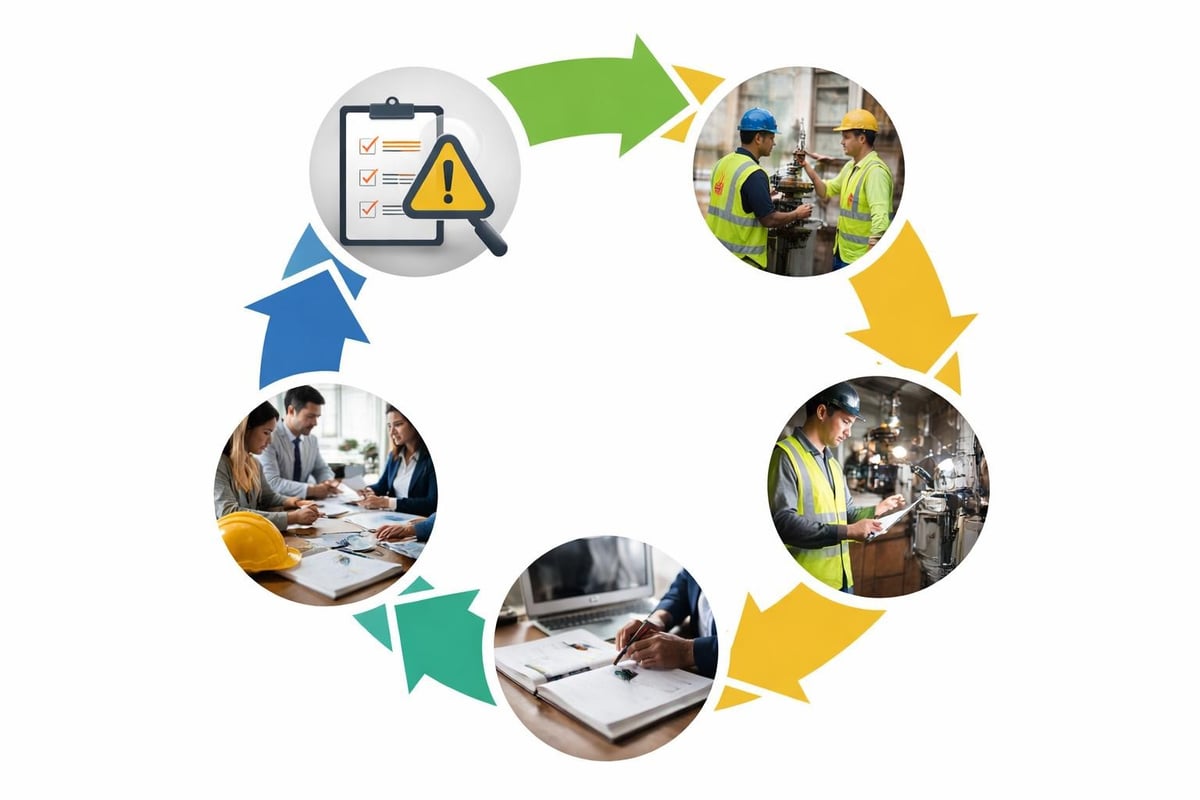
This responsibility extends beyond simply purchasing compliant equipment. Businesses must establish robust systems for ongoing monitoring, maintenance and verification through competent inspection services. Failure to meet these obligations can result in enforcement action, financial penalties and, in serious cases, criminal prosecution.
The Role of Independent Engineering Inspections
Independent engineering inspections provide objective verification that equipment and systems meet statutory requirements. Unlike internal checks performed by maintenance teams, independent examinations offer impartial assessment by qualified engineers with specialised expertise.
Professional inspection services deliver multiple benefits:
Regulatory compliance verification through thorough examination
Risk identification before incidents occur
Evidence documentation for enforcement authorities
Insurance requirements satisfaction
Operational continuity through preventative maintenance insights
The distinction between internal maintenance and statutory inspection remains crucial for safety and compliance. Whilst routine servicing keeps equipment functioning, statutory examinations verify that safety-critical components meet prescribed standards and remain fit for purpose under demanding operational conditions.
Selecting Competent Inspection Providers
Not all inspection services offer equivalent value or expertise. Businesses seeking to maintain robust safety and compliance programmes must carefully evaluate potential providers against specific criteria.
Selection Criteria | Why It Matters | Verification Method |
|---|---|---|
Engineering qualifications | Ensures technical competence | Request certification details |
Industry experience | Provides sector-specific knowledge | Check portfolio and references |
Independence | Guarantees objectivity | Confirm no commercial conflicts |
Insurance coverage | Protects against liability | Review policy documentation |
Reporting standards | Delivers clear, actionable findings | Examine sample reports |
Working with Workplace Inspection Services Ltd provides nationwide access to qualified engineers who understand sector-specific challenges across diverse industrial environments, from manufacturing facilities to care homes.
Equipment Categories Requiring Statutory Examination
Different equipment types attract specific regulatory requirements, each with distinct examination frequencies and technical standards. Understanding these categories helps businesses develop comprehensive safety and compliance strategies.
Lifting Equipment Under LOLER
Lifting equipment encompasses a remarkably broad range of apparatus. Cranes, hoists, passenger and goods lifts, mobile elevating work platforms, lifting slings, chains, hooks and shackles all fall within LOLER's scope.
LOLER inspections ensure lifting equipment is safe to use and compliant with the Lifting Operations and Lifting Equipment Regulations 1998, with thorough examinations identifying wear, damage or safety risks whilst ensuring businesses meet their legal obligations.
Examination frequency depends on equipment type and usage intensity. Some equipment requires six-monthly inspections, whilst others operate on annual schedules. Determining appropriate inspection frequency requires considering operational context, manufacturer guidance and risk assessment outcomes.
Work Equipment Under PUWER
PUWER covers an extensive range of workplace machinery and tools. Manufacturing equipment, woodworking machinery, power presses, guillotines, abrasive wheels and hand-held power tools all require consideration under these regulations.
Safety and compliance under PUWER extends beyond initial equipment selection. Businesses must ensure machinery remains suitable for its intended purpose, properly maintained and operated only by trained personnel who understand associated risks.
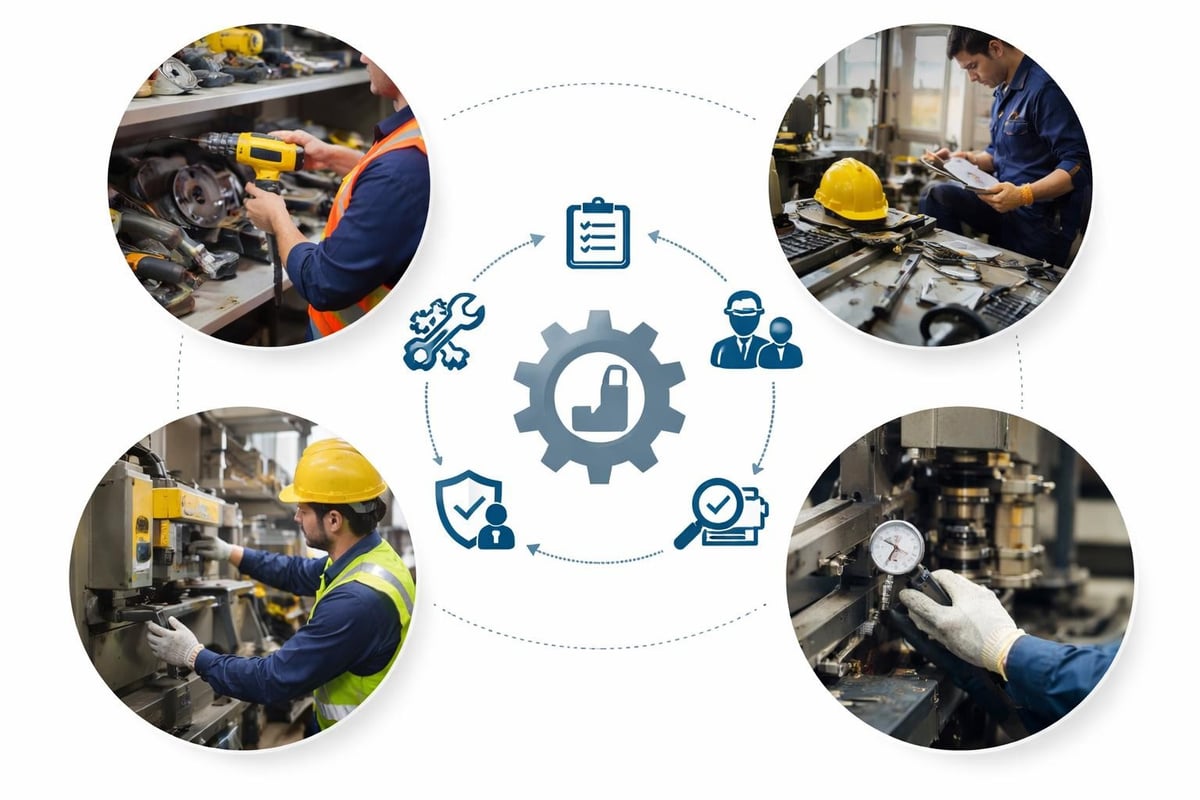
Specific high-risk equipment attracts additional scrutiny. Power presses, for instance, require particularly rigorous examination protocols as outlined in HSG236 guidance, reflecting the severe injury potential these machines present.
Pressure Systems and Specialised Inspections
Pressure systems present unique hazards requiring specialised knowledge and examination techniques. Air receivers, steam boilers, autoclaves, pressurised pipework and associated safety devices demand careful attention.
PSSR Compliance Essentials
The Pressure Systems Safety Regulations establish comprehensive requirements for system design, operation and examination. Every pressure system must have a written scheme of examination prepared by a competent person, defining what requires inspection and how frequently.
Safety and compliance for pressure systems involves understanding failure mechanisms:
Material fatigue and degradation over time
Corrosion from internal media or external environment
Erosion from high-velocity fluids or particulates
Overpressure scenarios from control system failures
Thermal stress from operational cycling
These failure modes require inspectors with specific pressure system expertise who can identify subtle indicators of developing problems before catastrophic failure occurs.
Specialised Testing Requirements
Beyond visual examination, certain scenarios demand additional technical assessment. Hydrostatic pressure testing verifies system integrity after repairs, modifications or extended out-of-service periods.
Supplementary testing services including non-destructive testing techniques provide deeper insights into equipment condition without causing damage. Ultrasonic thickness measurement, dye penetrant inspection and magnetic particle testing reveal hidden defects that visual examination alone cannot detect.
Managing Hazardous Substances Exposure
COSHH regulations protect workers from health risks associated with hazardous substances encountered during work activities. Dusts, fumes, vapours, mists, gases and biological agents all fall within this framework.
Local Exhaust Ventilation (LEV) systems represent the primary engineering control for many hazardous substance scenarios. These systems capture contaminants at source, preventing employee exposure through effective extraction and filtration.
Maintaining safety and compliance for LEV systems requires understanding performance degradation:
Filter loading reducing airflow over time
Duct damage creating leakage points
Fan deterioration diminishing extraction capacity
Hood positioning changes affecting capture efficiency
Increased production rates exceeding original design parameters
Regular testing verifies that LEV systems continue performing as intended. The Control of Substances Hazardous to Health Regulations establishes clear examination frequencies, typically requiring thorough examination at least every fourteen months.
Building a Comprehensive Compliance Programme
Effective safety and compliance doesn't emerge from isolated inspection activities. Successful organisations integrate statutory requirements into broader operational management systems that embed safety into everyday decision-making.
Documentation and Record Management
Robust record-keeping provides evidence of compliance whilst supporting continuous improvement. Businesses must retain inspection reports, maintenance records, operator training documentation and risk assessments in accessible formats.
Document Type | Retention Period | Storage Requirements | Access Needs |
|---|---|---|---|
Inspection reports | Minimum 2 years from next inspection | Secure, backed-up location | Immediate availability for enforcing authorities |
Maintenance logs | Equipment lifetime | Chronological order | Easy cross-referencing with inspections |
Training certificates | Employment duration plus 6 years | Confidential personnel files | Verification during audits |
Risk assessments | Until superseded plus 3 years | Version-controlled system | Regular review access |
Digital systems increasingly replace paper records, offering advantages in searchability, backup security and multi-site accessibility. However, whatever system businesses employ, the fundamental requirement remains the same: demonstrable compliance through verifiable documentation.
Inspection Scheduling and Planning
Proactive scheduling prevents compliance lapses whilst minimising operational disruption. Effective programmes coordinate multiple regulatory requirements across diverse equipment portfolios.
Planning considerations include:
Equipment criticality prioritising safety-critical systems
Production schedules timing inspections during planned shutdowns
Resource availability ensuring access and operator support
Seasonal factors addressing weather-dependent outdoor equipment
Regulatory deadlines maintaining continuous compliance
Many organisations find that consolidating inspections through single providers streamlines scheduling whilst ensuring consistent standards. The compliance hub approach centralises documentation and deadline tracking across all statutory requirements.
Industry-Specific Safety and Compliance Challenges
Different sectors face unique equipment portfolios and operational contexts that shape their safety and compliance priorities. Understanding sector-specific challenges helps businesses develop targeted risk management strategies.
Manufacturing and Fabrication Environments
Manufacturing facilities typically operate diverse equipment arrays requiring integrated compliance programmes. Power presses, welding equipment, overhead cranes, compressed air systems and dust extraction all coexist within single sites.
Safety and compliance in manufacturing environments demands coordinating multiple regulatory frameworks whilst managing production pressures. Inspection scheduling must balance statutory obligations against operational requirements.
Healthcare and Care Settings
Healthcare environments present distinct challenges where patient care equipment requires statutory examination alongside building services. Hoists for patient handling, medical gas systems, sterilisation autoclaves and kitchen extraction systems all require regular inspection.
Care homes, dental practices and hospitals must maintain safety and compliance without disrupting essential care services. Flexible inspection scheduling that accommodates 24-hour operations becomes crucial.
Warehouse and Distribution Operations
Modern warehousing relies heavily on mechanical handling equipment. Forklift trucks, conveyor systems, dock levellers, goods lifts and racking systems all require regular examination under various regulations.
The fast-paced nature of warehouse operations creates pressure to minimise equipment downtime. However, safety and compliance cannot be compromised for throughput targets. Effective programmes schedule inspections during quieter periods whilst maintaining regulatory frequencies.
Emerging Trends Affecting Safety and Compliance
The regulatory landscape continues evolving in response to technological advancement, changing work patterns and emerging risks. Forward-thinking organisations anticipate these developments rather than simply reacting to them.
Digital Inspection Technologies
Inspection methodologies increasingly incorporate digital tools that enhance accuracy, documentation and analysis. Tablet-based reporting systems, photographic evidence integration and cloud-based record storage improve inspection quality whilst streamlining administrative processes.
Predictive maintenance technologies using sensor data and condition monitoring represent the next frontier. These systems identify equipment deterioration patterns, enabling proactive intervention before statutory examination identifies problems.
However, technology augments rather than replaces competent human judgement. Interpreting complex equipment conditions, understanding operational context and making risk-based decisions remain fundamentally human activities requiring engineering expertise.
Regulatory Developments and Guidance Updates
Health and Safety Executive guidance documents evolve periodically as new evidence emerges and industry practices develop. Staying current with authoritative resources ensures compliance programmes reflect latest thinking.
Brexit has introduced questions about regulatory divergence from European standards. Whilst current UK regulations largely mirror previous EU directives, businesses operating internationally must monitor potential future differences affecting equipment specifications and examination standards.
Risk Assessment and Continuous Improvement
Static compliance programmes that simply repeat annual inspections without deeper analysis miss opportunities for genuine risk reduction. Leading organisations embed continuous improvement into their safety and compliance culture.
Learning From Inspection Findings
Every inspection report contains valuable insights beyond simple pass/fail determinations. Trends in wear patterns, recurring minor defects and equipment performance variations all inform maintenance optimisation and replacement planning.
Systematic analysis of findings across equipment populations reveals:
Component failure modes requiring design or specification changes
Training gaps indicated by operational damage patterns
Maintenance procedure inadequacies causing premature deterioration
Environmental factors accelerating wear in specific locations
Supplier quality issues affecting equipment reliability
This intelligence transforms safety and compliance from a cost centre into a value-generating activity that extends asset life, reduces unplanned downtime and prevents costly emergency repairs.
Integrating Compliance With Operational Excellence
World-class organisations recognise that safety and compliance supports rather than conflicts with operational efficiency. Well-maintained equipment operates more reliably, consumes less energy and produces higher quality output.
Building this integrated perspective requires changing organisational culture. When operators understand how their daily actions affect equipment longevity, when maintenance teams appreciate statutory requirements driving their work schedules, and when senior management recognises compliance investment as risk mitigation rather than regulatory burden, safety and compliance becomes embedded in operational DNA.
The business compliance landscape extends beyond workplace safety into environmental protection, data security and quality management. Organisations developing mature compliance frameworks often find synergies across these domains, creating integrated management systems that address multiple requirements efficiently.
Training and Competence Development
Equipment safety depends not only on mechanical condition but also on operator competence and awareness. Comprehensive safety and compliance programmes address both equipment and people.
Operator Training Requirements
Regulations require that only trained, competent persons operate workplace equipment. Training programmes must cover equipment-specific operation, associated hazards, emergency procedures and basic fault recognition.
Effective training extends beyond initial instruction:
Refresher sessions maintaining awareness and updating on procedure changes
Toolbox talks addressing specific hazards or recent incidents
Competence assessment verifying operators can safely perform tasks
Documentation systems proving training compliance to inspectors
Near-miss reporting creating learning opportunities from close calls
Safety and compliance culture strengthens when frontline workers feel empowered to report concerns, refuse unsafe work and suggest improvements without fear of negative consequences.
Maintenance Team Development
In-house maintenance personnel require different competencies from operators. Understanding equipment construction, fault diagnosis, safe working procedures and basic inspection principles enables effective routine maintenance between statutory examinations.
However, businesses must recognise the distinction between maintenance competence and statutory examination authority. Even highly skilled maintenance engineers cannot substitute for independent inspection by appropriately qualified specialists meeting regulatory requirements.
Cost-Benefit Considerations
Safety and compliance investment delivers returns that extend beyond avoiding regulatory penalties. Understanding the full economic impact helps justify appropriate resource allocation.
Direct Cost Avoidance
The most obvious financial benefit comes from preventing incidents. Workplace accidents generate multiple costs: medical treatment, investigation time, production disruption, equipment damage, regulatory fines and potential compensation claims.
Serious incidents attract HSE investigation and prosecution. Recent years have seen significant increases in fine levels following new sentencing guidelines that base penalties on organisational turnover. Major breaches can result in seven-figure fines that threaten business viability.
Beyond regulatory penalties, insurance implications affect long-term costs. Poor safety records increase premium costs whilst serious incidents may render businesses uninsurable for certain activities.
Indirect Business Benefits
Robust safety and compliance programmes generate less obvious advantages that nonetheless impact business success:
Reputation enhancement supporting tender competitiveness
Employee retention through demonstrating worker value
Productivity improvements from reliable, well-maintained equipment
Supply chain requirements meeting major customer safety standards
Asset longevity through preventative maintenance insights
Progressive clients increasingly scrutinise supplier safety performance before awarding contracts. Demonstrable commitment to safety and compliance becomes a competitive differentiator rather than simply a compliance burden.
Maintaining robust safety and compliance through statutory engineering inspections protects businesses, employees and operational continuity whilst demonstrating responsible organisational leadership. From understanding regulatory frameworks to implementing comprehensive examination programmes, the path to compliance requires commitment, expertise and systematic approaches that embed safety into everyday operations. Workplace Inspection Services Ltd supports organisations across the UK with independent engineering inspections covering LOLER, PUWER, PSSR and COSHH/LEV requirements, helping businesses maintain compliance, reduce risk and ensure safe working environments through expert examination services delivered by qualified engineers nationwide.