LOLER Inspection Services: Complete Compliance Guide 2026
LOLER Inspection Services: Complete Compliance Guide 2026
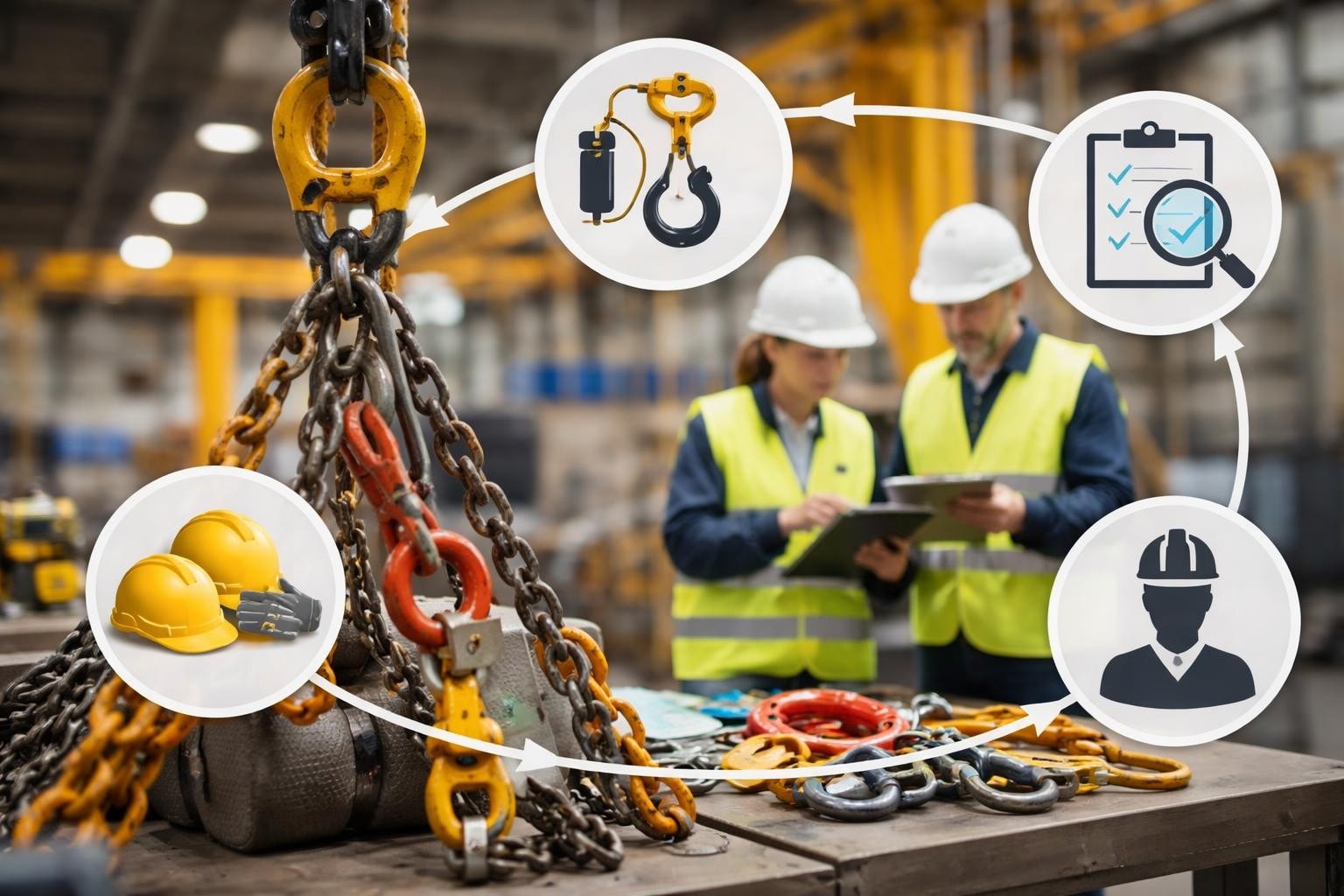
Lifting equipment represents one of the most significant hazards in workplaces across the United Kingdom. From manufacturing facilities and construction sites to warehouses and logistics centres, businesses rely on cranes, hoists, forklifts, and lifting accessories to move materials and products safely. The Lifting Operations and Lifting Equipment Regulations 1998 (LOLER) establishes the legal framework for ensuring this equipment remains safe, properly maintained, and fit for purpose. Professional loler inspection services form the cornerstone of compliance, providing businesses with the assurance that their lifting operations meet statutory requirements whilst protecting employees from serious injury or death.
Understanding LOLER Inspection Requirements
LOLER places specific duties on employers and those who control lifting equipment to prevent accidents and ensure safe operations. The regulations apply to all equipment used for lifting loads, including people, and cover a comprehensive range of devices from simple lifting accessories like slings and shackles to complex overhead crane systems.
The Health and Safety Executive (HSE) guidance on LOLER outlines three fundamental requirements: equipment must be sufficiently strong and stable for the intended use, positioned and installed to minimise risks, and marked with safe working loads where appropriate. Beyond these basic standards, LOLER mandates thorough examinations at specified intervals by a competent person.
Scope of Equipment Covered
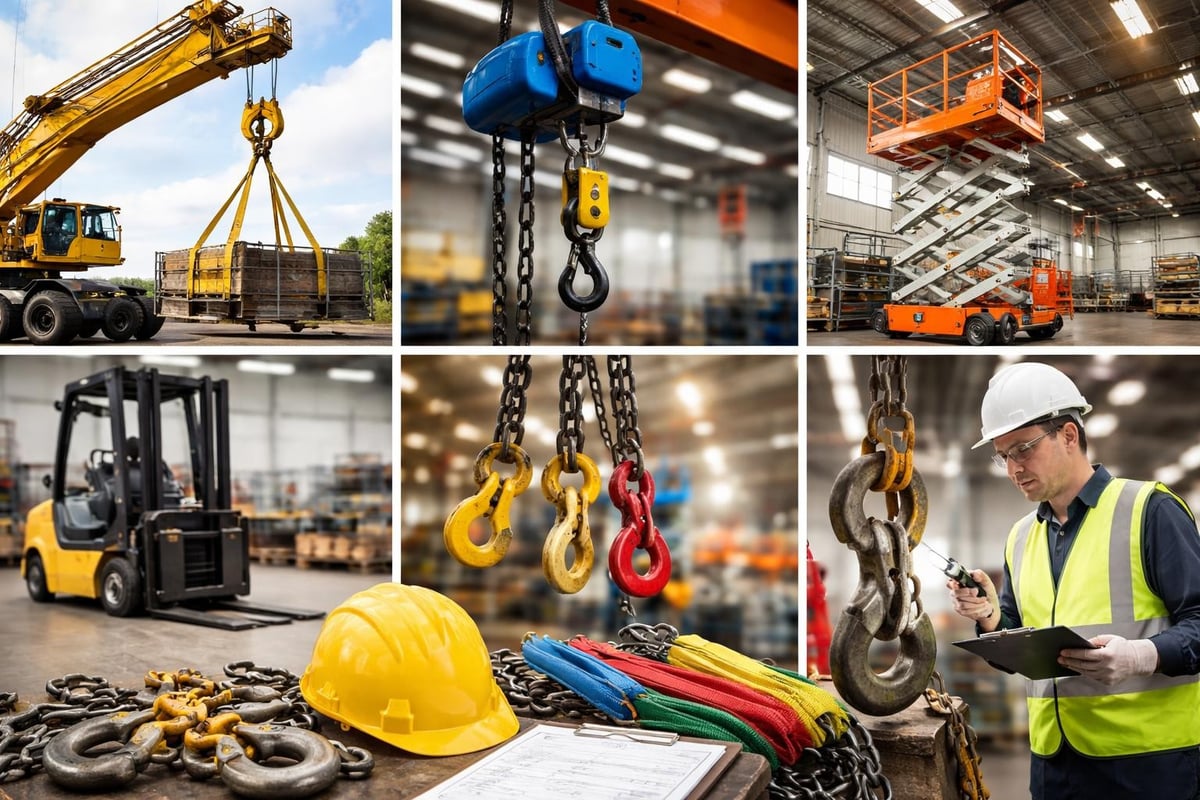
LOLER inspection services extend to virtually all lifting equipment used in commercial settings. This includes:
Overhead travelling cranes and jib cranes
Mobile elevating work platforms (MEWPs)
Goods and passenger lifts
Vehicle hoists and inspection platforms
Forklift trucks and telehandlers
Chain blocks, lever hoists, and manual hoisting equipment
Lifting accessories such as chains, slings, hooks, and eyebolts
Vacuum lifters and magnetic lifting devices
Each category presents unique inspection challenges requiring specialist knowledge of mechanical systems, structural integrity, and operational safety parameters. Professional loler inspection services employ engineers with expertise across these diverse equipment types to deliver comprehensive assessments.
Frequency and Timing of Inspections
Determining appropriate inspection intervals represents a critical compliance decision. LOLER specifies different examination frequencies depending on equipment type and usage patterns, with businesses bearing responsibility for ensuring timely inspections occur.
Equipment Type | Standard Frequency | Notes |
|---|---|---|
Lifting equipment for people | 6 months | Non-negotiable minimum |
Accessories (slings, shackles) | 6 months | May require more frequent inspection in harsh environments |
General lifting equipment | 12 months | Unless Written Scheme specifies otherwise |
Equipment per Written Scheme | As specified | Based on risk assessment and usage |
The concept of a Written Scheme of Examination provides flexibility for businesses to tailor inspection intervals to specific operational contexts. This documented plan, prepared by a competent person, considers factors including equipment usage intensity, operating environment, load characteristics, and manufacturer recommendations to establish appropriate examination frequencies.
For organisations managing diverse lifting equipment portfolios, understanding LOLER lifting requirements helps establish compliant maintenance schedules. Businesses operating in demanding environments such as offshore facilities, chemical processing plants, or heavy manufacturing may require more frequent examinations than standard intervals suggest.
First Inspections and New Equipment
LOLER mandates thorough examination before lifting equipment enters service for the first time, or after installation or assembly at a new location. This initial assessment verifies the equipment has been correctly installed, configured appropriately for the intended application, and meets all safety requirements before operational use commences.
Subsequently, regular periodic examinations maintain ongoing compliance. The timing starts from either the date of the last thorough examination or, for equipment never previously examined, from when it was first put into service.
The Role of Competent Persons
LOLER places particular emphasis on examinations being conducted by a 'competent person' – a term carrying specific meaning within the regulatory framework. This individual or organisation must possess sufficient knowledge, experience, and qualifications to identify equipment defects and assess their safety implications.
Spiers Safety's guidance on LOLER inspectors clarifies that competence combines practical experience with theoretical knowledge. A competent person understands the equipment being examined, recognises potential failure modes, appreciates relevant safety standards, and can make informed judgements about equipment condition and ongoing serviceability.
Qualifications and Independence
Whilst LOLER doesn't mandate specific qualifications, competent persons typically hold recognised certifications such as:
Engineering degrees or equivalent technical qualifications
Certified Inspector qualifications from professional bodies
Manufacturer-specific training for complex equipment types
Membership of relevant professional institutions
Independence represents another crucial consideration. Many businesses choose to engage external loler inspection services rather than relying solely on internal personnel. This approach provides objective assessment, brings broader industry experience, and ensures examinations aren't influenced by operational pressures or conflicting priorities.
Workplace Inspection Services Ltd operates as an independent inspection provider, delivering LOLER inspections across the UK with experienced engineers who maintain impartiality whilst understanding the practical realities businesses face. This combination of technical expertise and commercial awareness ensures inspections remain thorough without creating unnecessary operational disruption.

What LOLER Inspections Involve
A thorough examination under LOLER extends beyond simple visual checks. Professional loler inspection services conduct systematic assessments covering mechanical condition, structural integrity, safety features, and operational performance.
The examination process typically includes:
Visual Assessment: Inspectors examine equipment for obvious damage, wear, corrosion, or modification. This includes checking structural components, load-bearing elements, wire ropes or chains, hydraulic systems, and electrical installations. Signs of overloading, impact damage, or unauthorised repairs receive particular attention.
Functional Testing: Safety devices require verification of correct operation. This includes testing limit switches, overload protection systems, emergency stops, brake mechanisms, and audible warning devices. Inspectors confirm these critical safety features function as designed and activate at appropriate thresholds.
Load Testing: Certain equipment types or circumstances require proof load testing to verify structural capacity. This controlled process applies specified loads to confirm the equipment can safely handle its rated capacity without excessive deflection, permanent deformation, or component failure.
Documentation Review: Competent persons examine maintenance records, previous inspection reports, and manufacturer specifications. This historical perspective identifies recurring issues, verifies recommended maintenance has occurred, and ensures any previous defects have been properly addressed.
Inspection Outcomes and Reporting
Following examination, inspectors classify findings according to urgency and safety implications. This typically follows a standardised approach:
Classification | Meaning | Action Required |
|---|---|---|
Pass | No defects affecting safety | Continue normal use |
Advisory | Minor issues requiring attention | Schedule maintenance, re-examine at next interval |
Fail - Immediate | Serious defect creating immediate danger | Remove from service immediately |
Fail - Time Limited | Defect requiring attention within specified period | Continued use permitted until specified date, then repair or remove |
The competent person produces a detailed report documenting findings, providing evidence of the examination through photographs or measurements, and specifying any remedial actions required. These reports serve as legal records demonstrating compliance and provide invaluable maintenance planning information.
Integrating LOLER with Broader Safety Obligations
LOLER functions within a wider framework of workplace safety legislation. Understanding how these regulations interconnect helps businesses develop comprehensive compliance strategies rather than treating each requirement in isolation.
The Provision and Use of Work Equipment Regulations 1998 (PUWER) establishes general duties for all work equipment, including maintenance, inspection, and training requirements. LOLER provides specific additional requirements for lifting equipment, creating a complementary rather than duplicative regulatory structure.
Coordinating Multiple Inspection Regimes
Businesses operating diverse equipment portfolios manage multiple statutory inspection requirements simultaneously. Manufacturing facilities might require:
LOLER inspections for overhead cranes and lifting accessories
PUWER inspections for production machinery
PSSR inspections for air receivers and pressure systems
LEV testing for extraction and ventilation systems
Coordinating these examinations efficiently reduces operational disruption whilst ensuring comprehensive compliance. Many organisations partner with providers offering integrated loler inspection services alongside other statutory examinations, enabling coordinated scheduling and unified compliance reporting.
Common Defects and Safety Issues
Professional loler inspection services identify recurring problems across different equipment types and industries. Understanding these common defects helps businesses implement preventive measures and recognise warning signs before formal examinations occur.
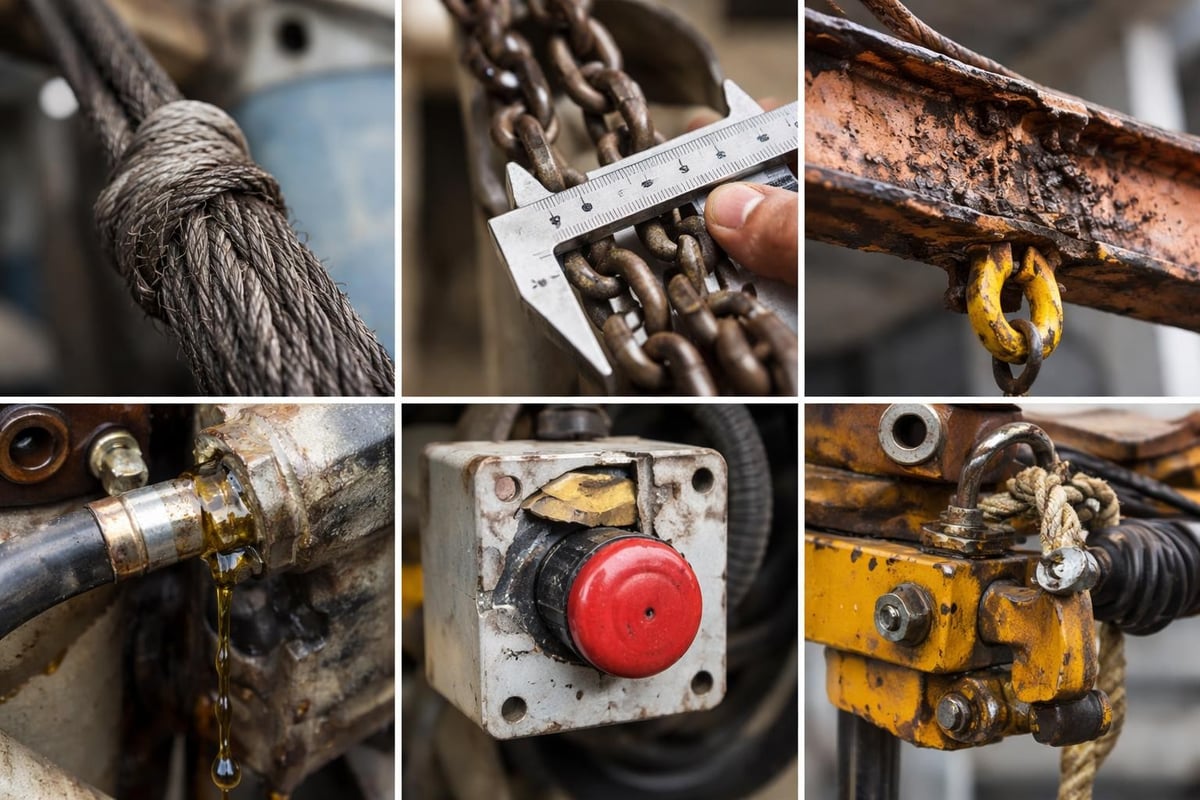
Wear and Corrosion: Environmental exposure accelerates deterioration of load-bearing components. Wire ropes show broken wires, reduced diameter, or corrosion. Chains develop elongation, wear at bearing points, or stress cracks. Structural steelwork exhibits corrosion reducing section thickness, particularly at welded joints or areas retaining moisture.
Inadequate Maintenance: Neglected lubrication causes premature wear in running gear, slewing rings, and lifting mechanisms. Hydraulic systems develop leaks from degraded seals. Electrical components fail due to moisture ingress or overheating. Regular preventive maintenance significantly extends equipment life and reduces inspection failures.
Operational Damage: Overloading represents perhaps the most serious recurring issue. Equipment subjected to loads exceeding rated capacity suffers permanent deformation, metallurgical changes reducing strength, or catastrophic component failure. Impact damage from collisions, dropped loads, or mishandling creates stress concentrations and crack initiation points.
Modification and Improvisation: Unauthorised modifications frequently compromise equipment safety. Added attachments alter load distribution, welded repairs introduce structural weaknesses, and bypassed safety devices eliminate critical protection. Competent inspectors identify these dangerous practices and require proper engineering assessment before permitting continued use.
Industry-Specific Challenges
Different sectors present unique inspection challenges requiring specialist knowledge:
Construction Sites: Mobile equipment operates in harsh, changing environments. Frequent repositioning, exposure to weather, and demanding duty cycles accelerate wear. Site conditions complicate inspection logistics, requiring flexible scheduling and portable testing equipment.
Manufacturing: Intensive production schedules create pressure to minimise downtime. Equipment operates near maximum capacity with frequent load cycles. Inspectors balance thorough examination with operational requirements, often working outside normal production hours.
Warehousing and Logistics: Large equipment fleets require coordinated inspection programmes. High transaction volumes with multiple operators increase damage risk. Effective loler inspection services for logistics operations employ systematic fleet management approaches ensuring every unit receives timely examination.
Selecting Professional Inspection Providers
Choosing appropriate loler inspection services significantly impacts compliance quality, operational efficiency, and long-term equipment reliability. Several factors merit consideration when evaluating potential providers.
Competence and Accreditation: Verify inspectors possess relevant qualifications and memberships with recognised professional bodies. Look for organisations holding SafeContractor accreditation, CHAS certification, or similar third-party verification of health and safety management systems. Request evidence of continuing professional development ensuring inspectors maintain current knowledge.
Industry Experience: Providers familiar with your specific sector understand unique operational challenges and equipment applications. This contextual knowledge enables more relevant assessments and practical recommendations. Ask about experience with similar businesses, equipment types, and operational environments.
Geographic Coverage: Nationwide operations require providers capable of delivering consistent service across multiple locations. Workplace inspection services operating throughout the UK offer coordinated scheduling, standardised reporting, and unified compliance management regardless of site location.
Responsiveness and Flexibility: Equipment failures and urgent inspections don't respect standard business hours. Evaluate providers' ability to respond quickly to urgent requirements, accommodate operational constraints, and provide out-of-hours service when needed.
Service Quality Indicators
Beyond basic competence, several factors distinguish exceptional loler inspection services:
Clear Communication: Reports written in accessible language explaining findings, implications, and required actions without unnecessary technical jargon
Photographic Evidence: Comprehensive visual documentation supporting findings and providing maintenance teams with clear defect identification
Digital Systems: Modern providers offer online portals for inspection scheduling, certificate access, and compliance tracking
Proactive Advice: Recommendations extending beyond immediate findings to address recurring issues, optimise maintenance strategies, and improve operational safety
The HSE's comprehensive LOLER guide emphasises that thorough examinations should contribute to continuous improvement rather than simply satisfying minimum legal requirements. Quality inspection providers function as safety partners, helping businesses develop mature risk management approaches.
Managing Inspection Documentation
Proper record-keeping represents a fundamental LOLER obligation. Businesses must retain thorough examination reports and make them available to relevant authorities upon request. Effective documentation systems support compliance whilst providing valuable operational intelligence.
Essential Record Components
LOLER examination reports must contain specific information:
Equipment identification details (serial numbers, locations, descriptions)
Date of examination and identity of the competent person
Safe working load and any operational limitations
Details of defects identified and their safety significance
Date by which next examination is due
Confirmation the examination was conducted in accordance with relevant regulations
Modern loler inspection services provide digital reporting systems replacing paper certificates with secure online platforms. These systems offer several advantages including automatic renewal reminders, historical trend analysis, and simplified audit preparation.
Retention Periods: Regulations require businesses to retain the last thorough examination report, plus any previous report where recommendations remain outstanding. However, maintaining comprehensive historical records provides valuable insights into equipment condition trends, recurring issues, and maintenance effectiveness.
Accessibility: Reports must be kept at the equipment's normal operating location or be readily retrievable. Multi-site operations require systems ensuring appropriate personnel can access relevant documentation regardless of location. Cloud-based platforms address this requirement whilst facilitating consolidated compliance oversight across entire equipment portfolios.
Cost Considerations and Business Value
Investment in professional loler inspection services generates returns extending beyond regulatory compliance. Understanding the broader business value helps justify appropriate budget allocation and resource commitment.
Direct and Indirect Costs
Inspection fees represent the most visible expense, varying according to equipment complexity, location, and service provider. However, the total cost of compliance includes:
Initial and periodic thorough examinations
Remedial works addressing identified defects
Administrative time managing scheduling and documentation
Operational downtime during inspections and repairs
Training for operators and maintenance personnel
Conversely, inadequate inspection programmes create significant financial exposure through equipment failures causing production interruption, accident investigation costs, regulatory enforcement action, and potential prosecution expenses.
Risk Reduction: Systematic inspection identifies developing problems before they cause failures. Addressing defects during planned maintenance costs substantially less than emergency repairs following breakdowns. This predictive approach minimises unplanned downtime whilst extending equipment service life.
Insurance Implications: Many insurers require evidence of compliant inspection programmes as policy conditions. Some offer premium reductions for organisations demonstrating robust preventive maintenance systems. Conversely, non-compliance may void coverage, leaving businesses exposed to potentially catastrophic financial consequences.
Operational Efficiency: Well-maintained equipment operates more reliably, requires less reactive maintenance, and delivers better productivity. The discipline imposed by regular loler inspection services drives systematic maintenance approaches benefiting overall operational performance.
Enforcement and Penalties
The Health and Safety Executive enforces LOLER requirements through workplace inspections, accident investigations, and targeted intervention programmes. Understanding enforcement approaches helps businesses appreciate compliance importance beyond theoretical legal obligations.
HSE inspectors examining workplaces verify that appropriate thorough examinations occur at required intervals, are conducted by competent persons, address identified defects promptly, and maintain proper documentation. Serious breaches trigger formal enforcement action.
Regulatory Responses
The HSE employs graduated enforcement tools depending on breach severity:
Improvement Notices: Issued when inspectors identify contraventions requiring remediation within specified timeframes. Notices detail specific failings and actions required to achieve compliance. Failure to comply with improvement notices constitutes a separate criminal offence.
Prohibition Notices: Applied when inspectors consider activities involve immediate serious injury risk. These notices immediately halt specified operations until identified risks are addressed. Equipment subject to prohibition notices cannot be used until the HSE confirms compliance.
Prosecution: Serious breaches, persistent non-compliance, or accidents resulting from LOLER failures may result in criminal proceedings. Magistrates' Courts can impose unlimited fines, whilst Crown Court sentences include imprisonment for responsible individuals in extreme cases.
Recent prosecutions demonstrate enforcement seriousness. Companies have received substantial fines following accidents involving inadequately maintained lifting equipment, absence of thorough examinations, or continued use of equipment with known defects. Directors and managers face personal liability where gross negligence or deliberate disregard for safety is established.
Developing Effective Compliance Programmes
Sustainable LOLER compliance requires integrated systems extending beyond simply arranging periodic inspections. Mature programmes embed lifting equipment safety within broader operational management.
Equipment Registers: Comprehensive inventories identifying all lifting equipment requiring examination form the foundation. Registers should capture equipment descriptions, unique identifiers, locations, safe working loads, and examination due dates. Regular audits verify register accuracy as equipment is acquired, relocated, or disposed of.
Scheduled Programmes: Systematic scheduling prevents examinations lapsing whilst optimising operational impact. Many organisations schedule inspections during planned maintenance periods, seasonal shutdowns, or quieter operational periods. Inspection frequency guidance helps establish compliant schedules appropriate to specific operational contexts.
Defect Management: Robust processes ensure identified defects receive appropriate attention. This includes immediate removal from service for critical safety issues, planned maintenance scheduling for less urgent matters, and verification that repairs restore equipment to safe condition. Tracking systems prevent equipment returning to service whilst defects remain outstanding.
Operator Involvement: Daily pre-use checks by operators complement formal thorough examinations. Training operators to recognise obvious defects, damage, or unusual operation creates additional safety layers. Effective reporting systems ensure operators can easily communicate concerns for technical assessment.
Continuous Improvement
Leading organisations view loler inspection services as improvement opportunities rather than compliance burdens. Analysing inspection findings identifies recurring issues suggesting systematic problems. Perhaps operating procedures create excessive equipment stress, environmental conditions accelerate deterioration, or maintenance practices prove inadequate.
This analytical approach transforms inspection data into actionable intelligence driving operational improvements. Patterns emerging across multiple examinations might prompt equipment replacement, process modification, or enhanced operator training. Progressive businesses engage inspection providers as partners in developing these insights rather than simply suppliers delivering statutory examinations.
Professional loler inspection services provide essential protection for businesses operating lifting equipment whilst ensuring compliance with statutory safety requirements. Thorough examinations conducted by competent persons identify defects before they cause accidents, verify equipment remains fit for purpose, and demonstrate due diligence in managing workplace risks. For organisations seeking comprehensive support across all statutory inspection requirements, Workplace Inspection Services Ltd delivers expert, independent assessments throughout the UK, helping businesses maintain safe working environments whilst satisfying their legal obligations under LOLER and related regulations.