LOLER Lifting: Compliance and Safety Guide 2026
LOLER Lifting: Compliance and Safety Guide 2026
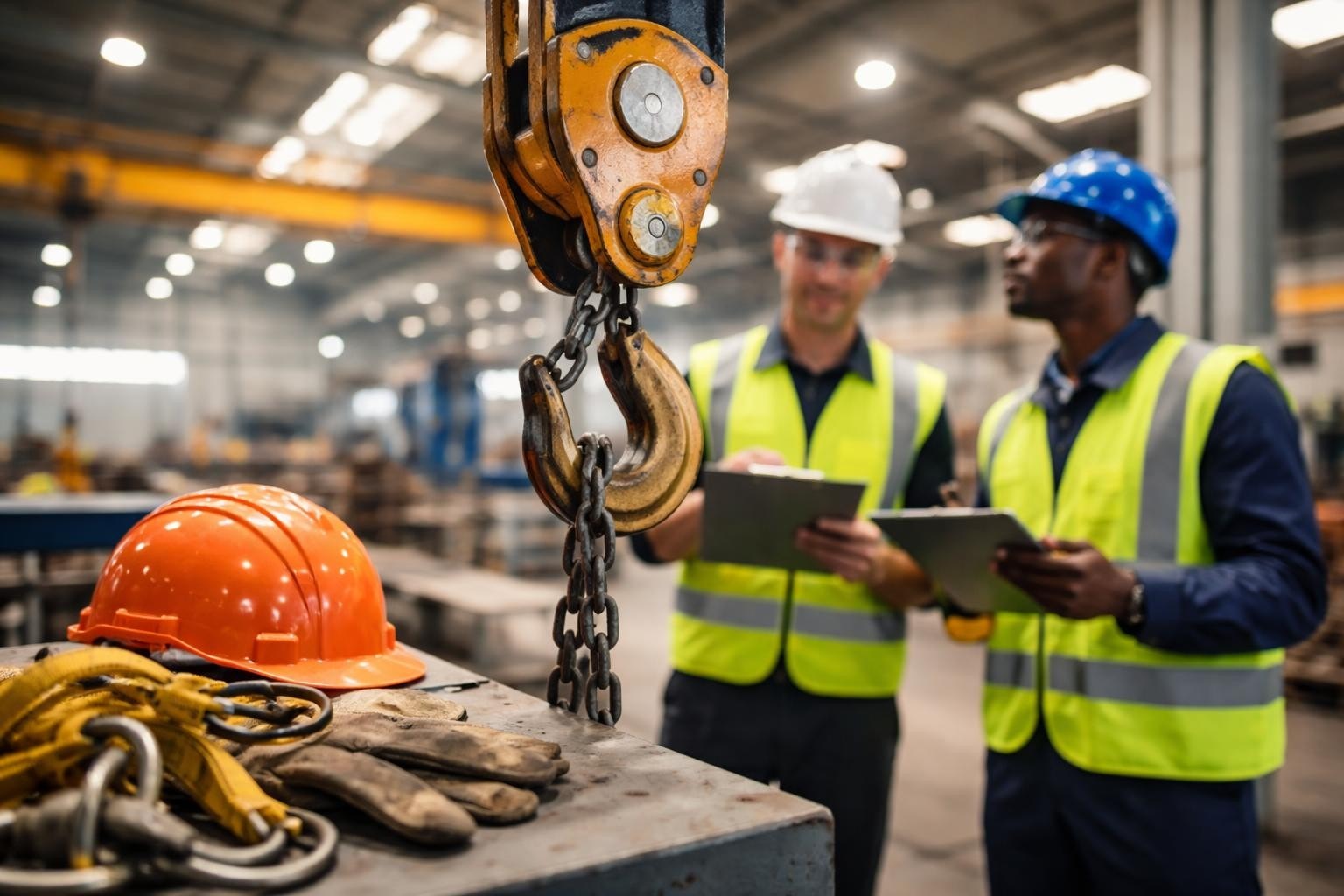
Lifting operations form an integral part of countless workplaces across the United Kingdom, from construction sites and warehouses to manufacturing facilities and healthcare environments. Every day, thousands of employees rely on lifting equipment to move loads safely and efficiently. However, without proper oversight and regular inspection, this equipment poses significant risks to worker safety. The Lifting Operations and Lifting Equipment Regulations 1998, commonly known as LOLER, establishes the legal framework for managing these risks. Understanding loler lifting requirements is essential for any organisation that uses cranes, hoists, forklift trucks, lifting accessories or any other equipment designed to lift and lower loads.
Understanding LOLER Lifting Regulations
The Lifting Operations and Lifting Equipment Regulations (LOLER) came into force in 1998 to address the serious risks associated with lifting operations. These regulations apply to all businesses and organisations that own, operate or have control over lifting equipment.
LOLER lifting encompasses far more than just operating machinery. The regulations establish comprehensive duties covering:
Selection of appropriate equipment for each task
Planning and supervision of lifting operations
Positioning and installation of equipment
Marking of safe working loads
Organisation and execution of thorough examinations
Scope of Equipment Coverage
LOLER lifting regulations cover an extensive range of workplace equipment. Many employers underestimate just how broadly these rules apply to their operations.
Equipment Type | Common Examples | Typical Workplace |
|---|---|---|
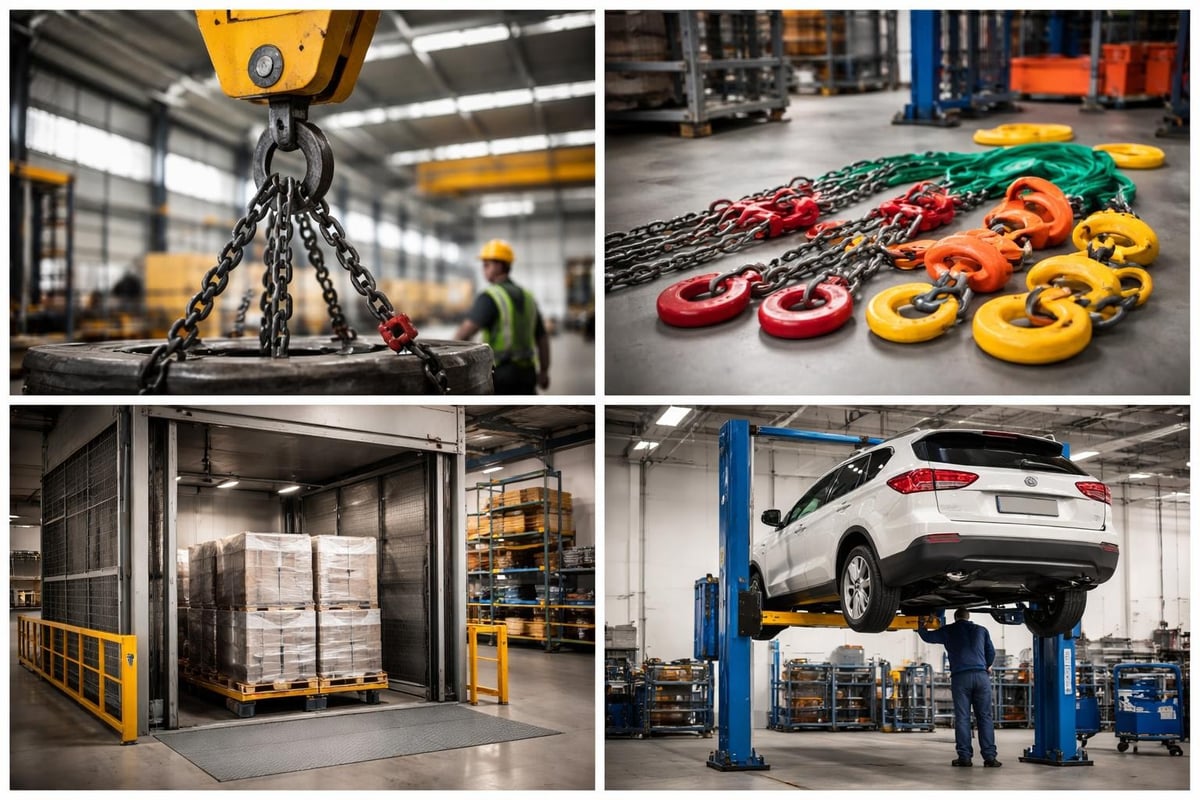
Lifting Machinery | Cranes, hoists, scissor lifts, mobile elevating work platforms | Construction, manufacturing, warehousing |
Lifting Accessories | Chains, slings, shackles, eyebolts, lifting beams | Fabrication, engineering, logistics |
Goods Lifts | Passenger lifts, goods-only lifts, platform lifts | Commercial buildings, retail, healthcare |
Vehicle Lifts | Two-post lifts, four-post lifts, scissor lifts | Motor trade, garages, vehicle workshops |
The regulations also apply to lifting equipment used for lifting people, which carries additional scrutiny due to the heightened risk. This includes passenger lifts, work platforms, and personnel hoists commonly found in warehouses and industrial settings.
Key Duties Under LOLER Lifting Requirements
Regulation 4 of LOLER establishes that lifting equipment must be strong and stable enough for each use, appropriately positioned and installed, and clearly marked with safe working loads. These fundamental requirements underpin safe loler lifting practices.
Strength and Stability Assessment
Every piece of lifting equipment must possess adequate strength and stability for its intended purpose. This assessment considers:
Maximum loads the equipment will handle
Environmental conditions affecting operation
Frequency and duration of use
Potential shock loads or dynamic forces
Equipment must be suitable not just for routine operations but also for reasonably foreseeable circumstances. A chain sling rated for 1 tonne in straight vertical lift, for example, has a significantly reduced capacity when used at an angle.
Safe Working Load Identification
Clear marking of safe working loads (SWL) is mandatory for most lifting equipment. The SWL represents the maximum load that equipment can safely handle under specific conditions.
Marking requirements include:
Permanent, legible identification on the equipment
Specification of load capacity
Clear visibility during normal operations
Consideration of different configurations (for adjustable equipment)
Where marking the equipment itself proves impractical, the information must be readily available and accessible to operators. This often applies to complex lifting accessories or equipment used in varying configurations.
Planning and Supervising Lifting Operations
Regulation 8 requires that every lifting operation involving lifting equipment is properly planned by a competent person, appropriately supervised, and carried out safely. This represents one of the most critical aspects of loler lifting compliance.
Elements of Proper Planning
Effective planning requires systematic consideration of the entire operation from start to finish. The Health and Safety Executive guidance emphasises that planning must be proportionate to the risks involved.
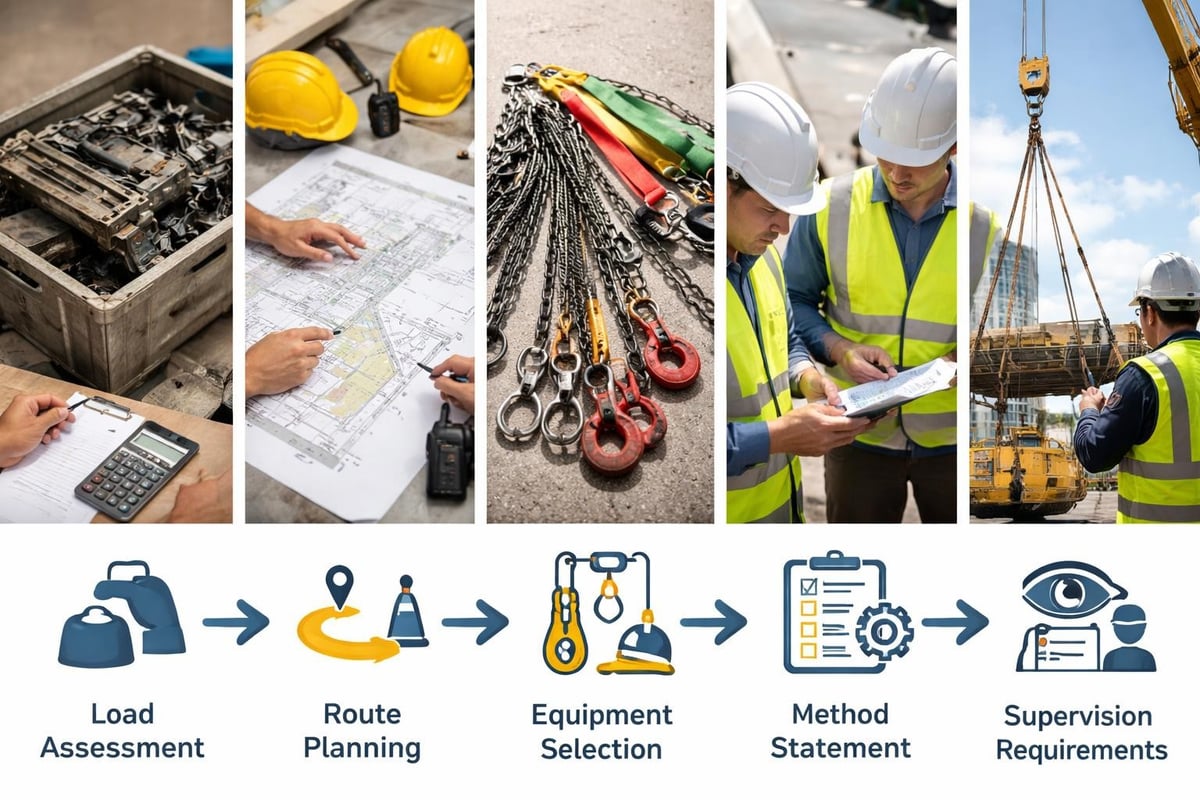
A well-planned lifting operation addresses:
Load assessment – weight, dimensions, centre of gravity, stability
Route planning – clearances, obstacles, exclusion zones, overhead hazards
Equipment selection – appropriate capacity, type, and configuration
Method statement – sequence of operations, control measures, emergency procedures
Communication protocols – signals, coordination between operators and banksmen
Environmental factors – weather conditions, ground conditions, lighting
Routine, low-risk operations may require minimal documentation, whilst complex or high-risk lifts demand detailed written plans. Many manufacturing facilities establish standard operating procedures for frequently performed lifts, which reduces planning burden whilst maintaining safety standards.
Competent Supervision
Supervision ensures that lifting operations proceed according to plan and that operators respond appropriately to changing circumstances. Supervisors must understand the plan, recognise hazards, and possess authority to stop operations if safety concerns arise.
The level of supervision required depends on factors including operator experience, complexity of the operation, and risk level. Experienced operators performing routine tasks may require minimal oversight, whilst complex or unusual lifts demand continuous, direct supervision.
Thorough Examination Requirements
Perhaps the most widely recognised aspect of loler lifting regulations is the requirement for thorough examination of equipment at specified intervals. This systematic inspection by a competent person ensures equipment remains safe for continued use.
Examination Frequencies
LOLER specifies maximum intervals between thorough examinations, though more frequent inspections may be necessary based on risk assessment.
Equipment Category | Standard Interval | Risk-Based Variation |
|---|---|---|
Equipment for lifting persons | 6 months | May reduce based on intensity of use, environment |
Other lifting equipment | 12 months | May reduce for harsh conditions or heavy use |
Lifting accessories | 6 or 12 months | Depends on use frequency and environment |
First thorough examination must occur before equipment enters service or, for existing equipment, according to an examination scheme. Many organisations establish written schemes of examination that specify intervals tailored to their specific equipment and operating conditions.
Competent Person Requirements
LOLER stipulates that thorough examinations must be carried out by a competent person who possesses appropriate practical and theoretical knowledge and experience. Competence encompasses understanding of:
Equipment design and operating principles
Potential failure modes and defects
Relevant regulations and standards
Inspection techniques and documentation
Organisations often engage independent inspection providers to ensure objectivity and access to specialist expertise. LOLER inspections conducted by qualified engineers provide businesses with assurance that their equipment meets statutory requirements whilst identifying potential issues before they compromise safety.
Reports and Defect Management
Following each thorough examination, the competent person must prepare a report documenting findings. This report represents a critical compliance record and operational safety tool.
Report Content Requirements
Examination reports must include:
Details of the equipment examined
Date of examination and identification of examiner
Safe working load or loads
Results of examination including identified defects
Tests carried out during examination
Date by which next examination must be completed
Reports must be provided to the equipment owner promptly, and copies retained for specified periods. For equipment used to lift persons, reports must be kept until two further reports have been received. For other equipment, current and previous reports must be retained.
Responding to Identified Defects
When examinations identify defects presenting immediate danger or those likely to become dangerous, specific notification requirements apply. The competent person must inform:
The employer or equipment owner immediately (for immediate dangers)
Relevant enforcing authority within written notice timeframes
Equipment presenting immediate danger must not remain in use until defects are rectified. This requirement ensures that loler lifting operations never proceed with compromised equipment, regardless of operational pressures.
Pre-Use Checks and Ongoing Maintenance
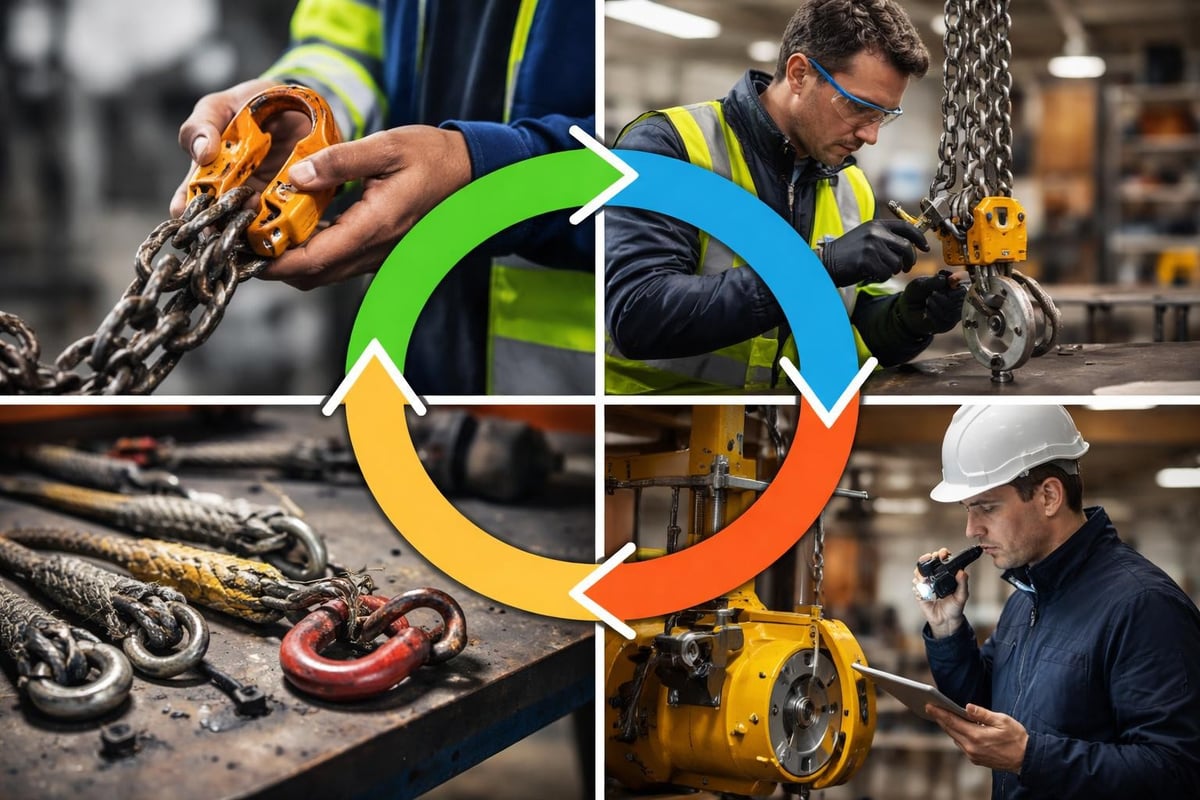
Whilst thorough examinations occur at defined intervals, LOLER also requires ongoing monitoring between formal inspections. Daily or pre-use checks form an essential component of safe equipment management.
Operator Responsibilities
Equipment users should conduct basic visual checks before each use, looking for obvious signs of damage or deterioration:
Unusual wear patterns or deformation
Cracks, corrosion or missing components
Damage to controls or safety devices
Oil leaks or unusual sounds during operation
Loose fastenings or connections
These checks complement, but do not replace, thorough examinations by competent persons. Operators must understand their limitations and report concerns to supervisors or maintenance personnel rather than attempting repairs beyond their competence.
Maintenance and Defect Rectification
Regular maintenance keeps lifting equipment in safe working condition between examinations. Maintenance programmes should address:
Manufacturer's servicing schedules and recommendations
Findings from previous thorough examinations
Operational demands and environmental exposure
Component wear rates based on usage patterns
Defects identified during examinations, pre-use checks or operation must be addressed systematically. Minor issues may be monitored and scheduled for repair, whilst significant defects require immediate action including equipment withdrawal from service.
Common LOLER Lifting Compliance Challenges
Organisations across diverse sectors encounter recurring challenges when implementing loler lifting requirements. Recognising these obstacles helps businesses develop robust compliance strategies.
Record Keeping and Documentation
Maintaining comprehensive, accessible records proves difficult for many organisations, particularly those with large equipment fleets or multiple sites. Common issues include:
Missing examination reports – Previous reports lost during ownership changes or administrative transitions
Unclear examination schedules – Confusion about when equipment requires next examination
Inadequate defect tracking – Poor systems for monitoring rectification of identified issues
Implementing centralised record management systems, whether digital or paper-based, ensures examination histories remain intact and accessible. The inspection regulations framework emphasises documentation as evidence of compliance and due diligence.
Equipment Identification
Large organisations often struggle to maintain accurate inventories of lifting equipment. Unidentified equipment may miss scheduled examinations, creating compliance gaps and safety risks.
Effective identification systems combine:
Unique identification numbers or tags on each item
Central asset registers linking equipment to locations and users
Regular audits to identify unmarked or unregistered equipment
Clear ownership assignment for shared or mobile equipment
Competence Assessment
Determining whether planners, supervisors and examiners possess adequate competence challenges many employers. Competence requirements vary with equipment complexity and operational risks.
Organisations should establish clear competence criteria addressing:
Relevant qualifications and certifications
Practical experience with specific equipment types
Understanding of applicable regulations and standards
Demonstration of knowledge through assessment or evaluation
Industry-Specific LOLER Lifting Considerations
Different sectors face unique loler lifting challenges based on equipment types, operational environments and risk profiles.
Construction and Engineering
Construction sites utilise diverse lifting equipment in dynamic, changing environments. Tower cranes, mobile cranes and hoists operate alongside lifting accessories handling prefabricated components and materials.
Key considerations include:
Frequent equipment moves between sites affecting stability and positioning
Weather exposure accelerating wear and deterioration
Multiple contractors sharing equipment creating ownership ambiguity
Temporary installations requiring careful planning and examination
Fabrication workshops encounter similar challenges with overhead cranes and lifting beams handling heavy steel sections and assemblies.
Healthcare and Care Facilities
Care homes and healthcare settings rely heavily on patient hoists and lifting equipment designed for moving individuals. These applications carry elevated risk due to the vulnerable nature of loads.
Specialist considerations include:
Six-monthly examination intervals for person-lifting equipment
Sling and harness inspection before each use
Operator training in safe handling and patient dignity
Emergency procedures for equipment failure during use
Motor Trade and Vehicle Servicing
Garages and motor trade businesses depend on vehicle lifts, jacks and lifting equipment for everyday operations. High utilisation rates and exposure to vehicle fluids create demanding operating conditions.
This sector must address:
Frequent use accelerating component wear
Oil and chemical exposure affecting hydraulic systems
Load variations from small vehicles to heavy commercial units
Adequate maintenance between thorough examinations
Integration with Other Statutory Requirements
LOLER lifting regulations form part of a broader statutory framework governing workplace equipment and operations. Understanding these relationships ensures comprehensive compliance.
PUWER and LOLER Overlap
The Provision and Use of Work Equipment Regulations 1998 (PUWER) establishes general requirements for all work equipment, including lifting equipment. LOLER provides specific, additional requirements for lifting operations.
Where equipment falls under both regulations:
PUWER addresses general suitability, maintenance and inspection
LOLER adds specific requirements for planning, examination and safe working loads
Both sets of requirements must be met concurrently
Many organisations coordinate their PUWER inspections with LOLER examinations to create efficient, comprehensive inspection programmes.
Pressure Systems Considerations
Some lifting equipment incorporates pressure systems, such as hydraulic lifts or pneumatic hoists. These installations must comply with both LOLER and the Pressure Systems Safety Regulations 2000 (PSSR).
Coordinating inspection schedules and competent person requirements across regulations avoids duplication whilst ensuring nothing falls between gaps. Understanding inspection frequency requirements across different regulatory frameworks helps organisations plan resource allocation effectively.
Enforcement and Consequences of Non-Compliance
The Health and Safety Executive (HSE) and local authorities enforce LOLER lifting requirements through workplace inspections, investigations following incidents, and responses to complaints.
Enforcement Actions
Regulators possess various powers to address non-compliance:
Improvement notices requiring specific actions within defined timeframes
Prohibition notices immediately stopping use of dangerous equipment
Prosecution for serious or persistent breaches
Fee for intervention recovering costs of enforcement activity
Recent enforcement trends show particular focus on equipment lacking thorough examinations, continued use of equipment with identified defects, and inadequate planning of complex lifting operations.
Civil Liability Implications
Beyond regulatory enforcement, LOLER non-compliance carries civil liability risks. Breaches may constitute evidence of negligence in personal injury claims, potentially affecting:
Employer's liability insurance premiums
Compensation award calculations
Defence costs in contested claims
Reputational damage and business relationships
Maintaining robust loler lifting compliance programmes therefore provides both regulatory assurance and commercial protection.
Building a Sustainable Compliance Framework
Effective LOLER compliance extends beyond meeting minimum statutory requirements to embedding safe lifting practices throughout organisational culture.
Key Framework Components
Sustainable compliance programmes incorporate:
Clear accountability structures – Defined responsibilities for equipment owners, operators and maintenance personnel
Comprehensive training – Regular instruction ensuring competence across all levels
Systematic documentation – Reliable record systems tracking equipment, examinations and defects
Proactive risk management – Regular review and improvement of lifting operations
Supplier engagement – Clear specifications for equipment procurement and contractor requirements
Continuous Improvement Approach
Leading organisations treat LOLER compliance as an evolving process rather than a static checkbox exercise. Regular review of:
Incident and near-miss data identifying recurring issues
Examination findings revealing equipment or operational trends
Technological developments offering enhanced safety features
Industry best practices and regulatory guidance updates
This approach ensures that loler lifting practices keep pace with operational changes and emerging knowledge about risk control.
Safe lifting operations depend on systematic compliance with LOLER requirements, from proper planning and equipment selection through to regular thorough examinations and defect management. Organisations across all sectors benefit from establishing robust frameworks that integrate regulatory requirements with operational excellence. Workplace Inspection Services Ltd supports businesses throughout the UK with expert LOLER inspections and comprehensive statutory examination services, helping organisations maintain compliance, protect their workforce and demonstrate their commitment to workplace safety. Whether you operate a single hoist or manage extensive lifting equipment fleets across multiple sites, professional inspection support ensures your operations meet the highest standards of regulatory compliance and operational safety.