LEV Inspections: Essential Guide to Compliance in 2026
LEV Inspections: Essential Guide to Compliance in 2026
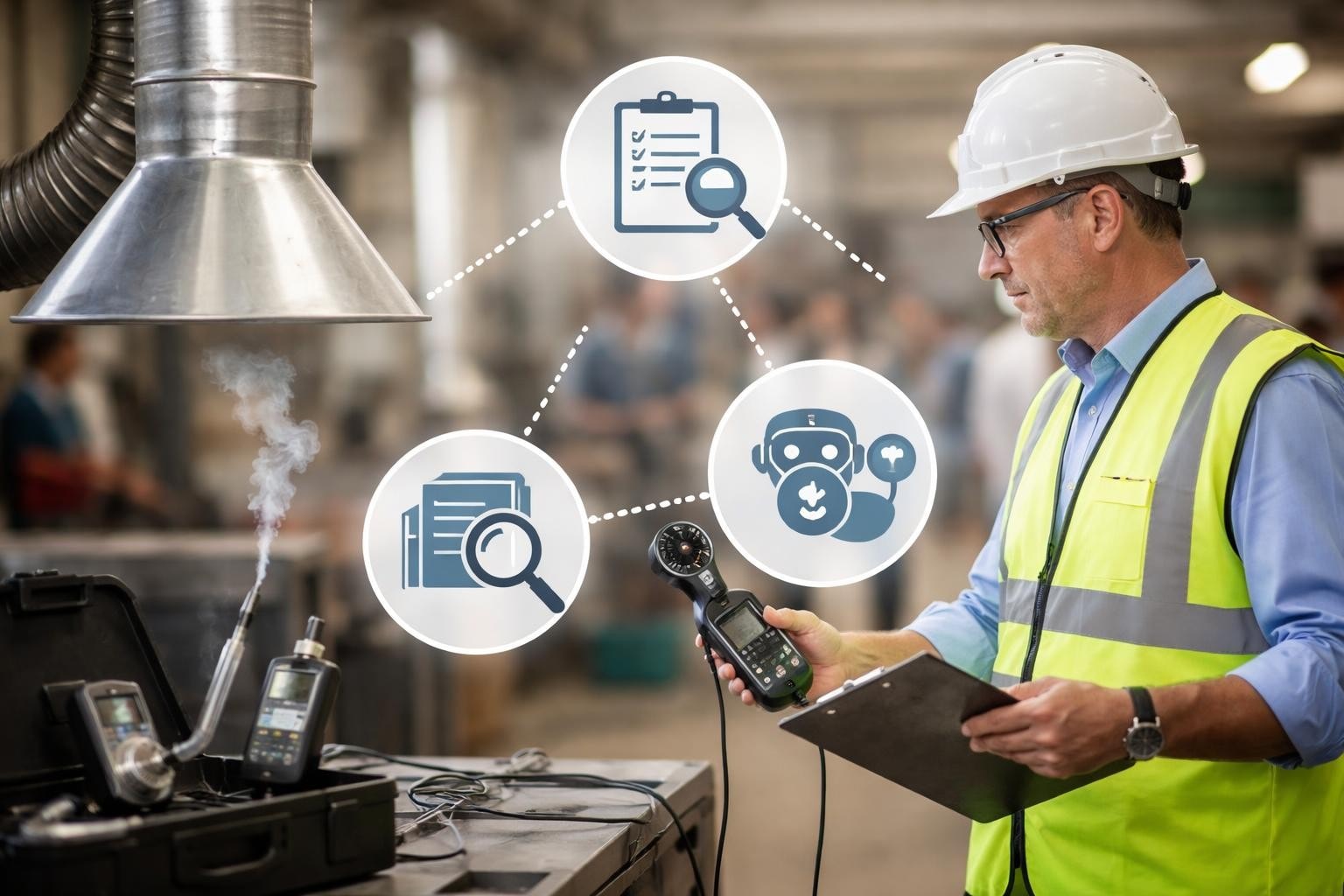
Local Exhaust Ventilation systems play a critical role in protecting workers from harmful airborne contaminants in industrial and commercial environments. However, simply installing these systems is not enough. Regular, thorough lev inspections are a legal requirement under the Control of Substances Hazardous to Health (COSHH) Regulations 2002, ensuring that extraction systems continue to perform effectively and protect employee health. This guide examines the essential aspects of lev inspections, from regulatory requirements to practical implementation, helping businesses maintain compliance whilst safeguarding their workforce.
Understanding LEV Inspection Requirements
The COSHH Regulations mandate that employers must ensure Local Exhaust Ventilation systems are thoroughly examined and tested at specified intervals. These requirements exist because LEV systems can deteriorate over time, developing faults that compromise their ability to control hazardous substances effectively. When systems fail, workers face increased exposure to dust, fumes, vapours, and other harmful airborne contaminants.
Legal Framework and Obligations
Under COSHH Regulation 9, employers must ensure that engineering controls, including LEV systems, are maintained in efficient working order and good repair. This includes implementing a programme of thorough examination and testing. The Health and Safety Executive provides detailed guidance on the roles and responsibilities of those involved in LEV system design, installation, and examination.
Key legal obligations include:
Conducting thorough examinations at least every 14 months for most systems
Maintaining detailed records of all inspections and tests
Acting promptly on examination findings and defects
Ensuring examiners possess appropriate competence and qualifications
Providing workers with information about LEV system performance
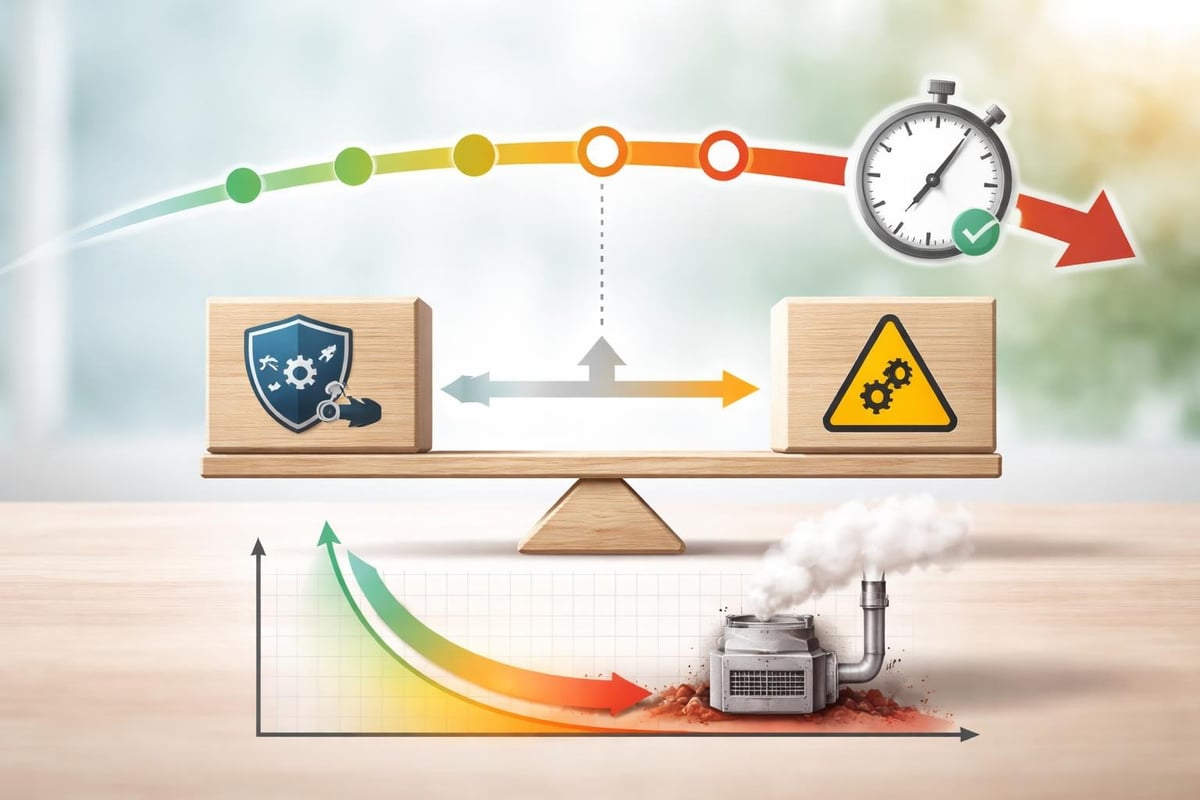
The 14-month maximum interval represents a legal ceiling, not a recommendation. Many industries and specific processes require more frequent lev inspections based on risk assessments, system complexity, or the nature of contaminants being controlled.
What LEV Inspections Actually Involve
Thorough examination and testing of LEV systems encompasses far more than a simple visual check. Competent examiners assess multiple aspects of system performance, comparing actual operation against design specifications and required protection levels. Understanding what inspectors evaluate helps businesses prepare effectively and maintain systems between formal examinations.
Components Assessed During Inspections
A comprehensive LEV inspection evaluates both physical condition and functional performance. Examiners systematically work through the system from capture points through to discharge, identifying any deterioration, damage, or performance deficiencies.
System Component | Inspection Focus | Common Issues Identified |
|---|---|---|
Capture hoods | Position, condition, damage | Displacement, blockages, wear |
Ductwork | Integrity, leaks, connections | Corrosion, holes, loose joints |
Air cleaning devices | Condition, differential pressure | Filter saturation, damage |
Fans | Operation, noise, vibration | Bearing wear, imbalance |
Discharge points | Position, condition, direction | Recirculation risks, damage |
Performance testing forms the critical element of lev inspections. Examiners measure air velocities at capture points, static pressures within ductwork, and volumetric flow rates. These measurements are compared against original design specifications or established standards to determine whether the system achieves adequate control.
Testing Methods and Equipment
Examiners employ calibrated instruments to measure LEV system performance accurately. Rotating vane anemometers measure air velocities at hoods and openings, whilst manometers determine static pressure at various points throughout the system. These quantitative measurements provide objective evidence of system effectiveness.
The examination also includes qualitative assessments using smoke tests or other visualisation techniques to confirm airflow patterns. This helps identify unexpected air movements, turbulence, or areas where contaminants might escape capture. Comprehensive LEV testing protocols ensure all critical aspects receive appropriate attention during inspections.
Selecting Competent LEV Examiners
The effectiveness of lev inspections depends entirely on examiner competence. COSHH regulations require examiners to possess suitable qualifications, training, and experience relevant to the specific LEV systems being assessed. Choosing appropriately qualified professionals protects both workers and organisations from the consequences of inadequate examinations.
Qualifications and Accreditation
Competent LEV examiners typically hold relevant engineering qualifications combined with specific training in ventilation system assessment. Many examiners pursue certification through recognised schemes such as the British Occupational Hygiene Society (BOHS) P601 qualification for LEV system design, installation, and testing.
Essential examiner attributes include:
Formal engineering or technical qualifications
Specific LEV training and certification
Practical experience with similar systems and industries
Understanding of relevant processes and contaminants
Knowledge of applicable standards and guidance
Some organisations choose to engage UKAS-accredited inspection bodies, which provide additional assurance regarding examiner competence and inspection quality. Accreditation demonstrates adherence to strict technical and procedural standards.
Questions to Ask Potential Examiners
Before appointing an examiner, businesses should verify their suitability for the specific LEV systems requiring assessment. Not all examiners possess equal expertise across different industries or system types.
Consider asking about their experience with your industry sector, familiarity with similar processes, and approach to complex or non-standard systems. Request examples of previous inspection reports to assess the detail and clarity of their documentation. Understanding whether they can provide practical recommendations alongside compliance assessments adds significant value.
Frequency and Timing of Inspections
Whilst COSHH regulations specify a maximum 14-month interval for most LEV systems, determining the optimal inspection frequency requires careful consideration of multiple factors. Organisations must balance legal compliance with practical risk management and operational requirements.

Risk-Based Inspection Scheduling
Higher-risk environments warrant more frequent lev inspections. Systems controlling highly toxic substances, carcinogenic materials, or respiratory sensitisers may require examination every six months or even quarterly. Conversely, systems in lower-risk applications with stable operating conditions might appropriately maintain the statutory 14-month interval.
Operating intensity significantly influences deterioration rates. LEV systems running continuously or in harsh environments experience faster wear than those operating intermittently in controlled conditions. Adjusting inspection frequency based on actual usage patterns and environmental conditions ensures appropriate oversight.
Historical performance data provides valuable insights for scheduling decisions. Systems with a track record of reliable operation and minimal defects might safely maintain standard intervals, whilst those exhibiting recurring issues benefit from enhanced monitoring. Reviewing past inspection records helps organisations refine their approach over time.
Coordinating with Other Statutory Inspections
Many workplaces require multiple types of statutory inspections covering different equipment and systems. Coordinating these activities can improve efficiency whilst ensuring comprehensive compliance oversight. For instance, organisations requiring statutory workplace inspections across multiple regulatory frameworks benefit from integrated planning.
Scheduling lev inspections alongside related activities such as maintenance shutdowns, facility audits, or other engineering examinations maximises efficiency. However, care must be taken not to compromise inspection quality or thoroughness in pursuit of administrative convenience.
Common Defects and Performance Issues
LEV inspections regularly identify recurring problems that compromise system effectiveness. Understanding these common deficiencies helps organisations implement preventative measures and maintain better system performance between formal examinations.
Physical Deterioration and Damage
Ductwork corrosion represents one of the most frequently identified defects, particularly in systems handling corrosive fumes or operating in aggressive environments. Even small holes or cracks create air leaks that significantly reduce system performance. Corrosion often begins internally, remaining invisible until penetration occurs.
Flexible ducting, whilst convenient, suffers disproportionately from damage and deterioration. Compression, kinking, or punctures restrict airflow and reduce capture velocity. Regular visual checks between formal inspections help identify developing problems before they critically impair performance.
Typical physical defects include:
Corrosion or erosion of ductwork and components
Damaged or displaced capture hoods
Blocked or saturated filters and air cleaners
Worn or damaged fan components
Loose or leaking joints and connections
Performance Degradation
Even structurally sound systems can fail to provide adequate control if performance has degraded. Inadequate air velocity at capture points allows contaminants to escape into the workplace atmosphere, defeating the system's protective purpose.
Fan performance naturally deteriorates over time due to bearing wear, belt slippage, or motor issues. Gradual decline often goes unnoticed without regular performance monitoring. By the time problems become apparent through visible contamination or worker complaints, exposure may have occurred over extended periods.
Filter and air cleaner saturation progressively increases system resistance, reducing airflow throughout. Whilst differential pressure gauges should alert operators to this condition, many facilities lack proper monitoring or fail to act on warning signs. Regular lev inspections identify these issues before they compromise protection.
Record Keeping and Documentation
Comprehensive documentation forms an essential component of effective LEV management. COSHH regulations require employers to maintain records of thorough examinations and tests, providing evidence of compliance and creating a historical performance baseline.
Required Information in Inspection Reports
LEV inspection reports must contain specific information to satisfy regulatory requirements. As outlined in HSE's LEV guidance, reports should identify the system examined, describe testing methodology, present measured results, and provide clear conclusions about system effectiveness.
Report Element | Required Content | Purpose |
|---|---|---|
System identification | Location, process served, reference numbers | Ensures correct system examined |
Examination date | When inspection conducted | Confirms compliance with intervals |
Examiner details | Name, qualifications, organisation | Demonstrates competence |
Test results | Measurements, observations, findings | Evidence of performance |
Defects identified | Description, severity, location | Guides remedial action |
Recommendations | Required actions, priorities | Informs maintenance planning |
Next examination due | Date of required inspection | Supports scheduling compliance |
Reports should present information clearly, enabling non-technical managers to understand findings and necessary actions. Technical data must be sufficiently detailed for engineers to diagnose problems and implement corrections effectively.
Retention and Accessibility
Inspection records must remain accessible for at least five years, though many organisations retain them longer to track performance trends. Systematic filing, whether physical or electronic, ensures records can be retrieved promptly when required by enforcement authorities or for internal review.
Maintaining chronological records for each LEV system creates valuable performance histories. Comparing measurements over time reveals deterioration trends, helping predict future maintenance needs and optimise inspection frequencies. This data-driven approach supports both compliance and operational efficiency.
Acting on Inspection Findings
Identifying defects through lev inspections serves little purpose unless organisations respond appropriately. Prompt, effective action on examination findings distinguishes organisations genuinely committed to worker protection from those merely pursuing compliance documentation.
Prioritising Remedial Work
Not all defects carry equal urgency. Examiners should clearly indicate the significance of identified issues, helping organisations allocate resources appropriately. Systems failing to provide adequate control require immediate attention, whilst minor defects might be addressed during planned maintenance.
Critical failures that leave workers unprotected demand immediate action, potentially including process suspension until effective control is restored. Even if formal prohibition notices haven't been issued, responsible employers recognise when continuing operations would expose workers to unacceptable risks.
Less critical issues still require timely resolution within reasonable timeframes. Developing action plans with specific responsibilities and deadlines ensures findings don't languish unaddressed. Progress tracking mechanisms help maintain momentum and demonstrate due diligence.
Verification of Corrective Actions
After implementing corrective measures, verification ensures repairs actually resolve identified problems. Simply replacing components or adjusting settings doesn't guarantee restored performance. Follow-up testing confirms systems again meet required standards.
For significant remedial work, engaging the original examiner or another competent person to verify effectiveness provides independent assurance. This approach prevents organisations from unknowingly continuing to operate substandard systems despite investment in repairs.
Integration with COSHH Risk Assessment
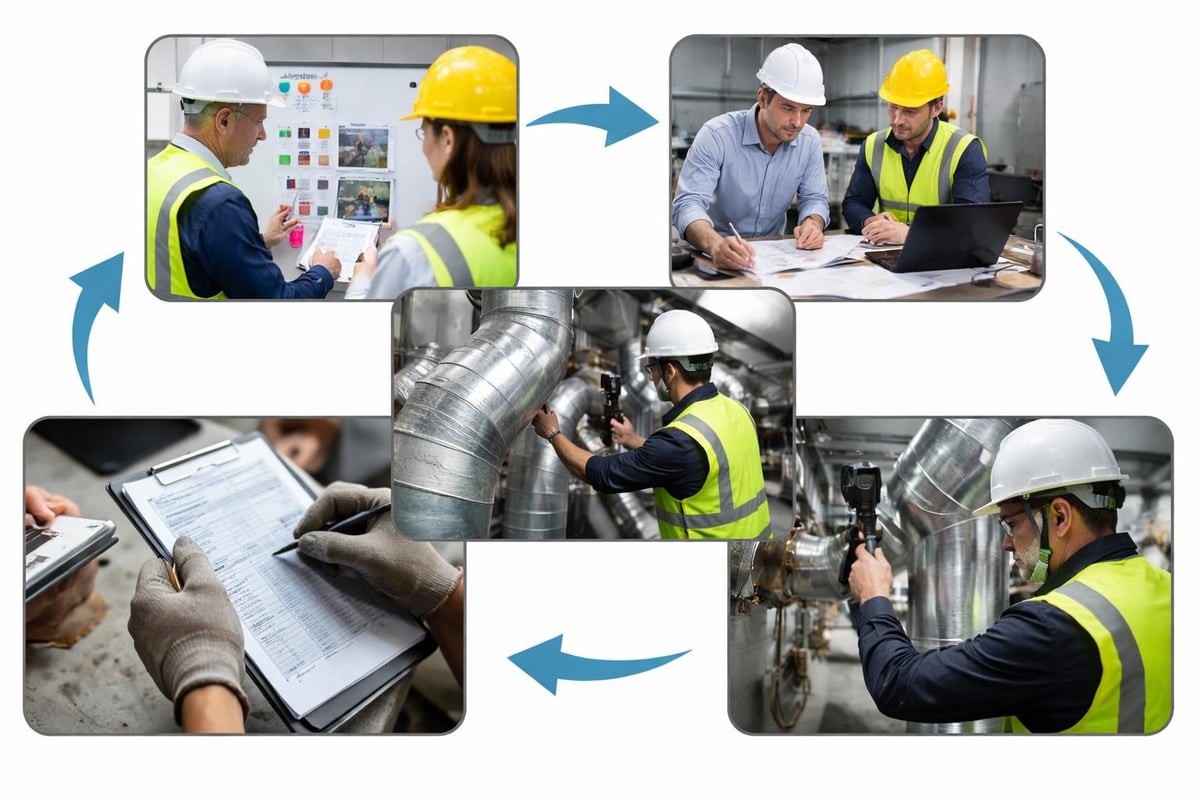
LEV inspections don't exist in isolation but form part of broader COSHH compliance programmes. Effective integration between risk assessment, control measures, and verification through examination creates robust protection systems.
Using Inspection Data to Refine Risk Assessments
Inspection findings provide real-world evidence about control measure effectiveness. Discovering that LEV systems consistently underperform in certain areas suggests risk assessments may underestimate exposure or that control strategies require enhancement. This feedback loop drives continuous improvement in workplace health protection.
Workplace Inspection Services Ltd provides COSHH/LEV inspections that help organisations ensure their ventilation systems effectively remove harmful dust, fumes, and vapours, supporting comprehensive COSHH compliance programmes alongside routine examinations.
Health Surveillance and Exposure Monitoring
Where LEV systems control particularly hazardous substances, inspection results should inform decisions about health surveillance and exposure monitoring. Systems found to be underperforming may indicate that historical exposure exceeded assumed levels, potentially warranting enhanced medical monitoring for affected workers.
Conversely, consistently excellent LEV performance combined with exposure monitoring showing negligible contamination levels might support adjustments to health surveillance protocols. This evidence-based approach ensures protective measures remain proportionate and effective.
Industry-Specific LEV Considerations
Different industries present unique challenges for LEV systems and their inspection. Understanding sector-specific requirements ensures examinations address relevant concerns and provide appropriate recommendations.
Manufacturing and Engineering Environments
Manufacturing facilities often operate multiple LEV systems controlling diverse processes, from welding fume extraction to grinding dust collection. Each system may require different assessment approaches based on the contaminants controlled and process characteristics. Examiners must understand metallurgical processes, material properties, and production methods to evaluate systems effectively.
Engineering workshops utilising various equipment types benefit from integrated inspection approaches that consider LEV systems alongside other statutory requirements, ensuring comprehensive compliance oversight.
Woodworking and Joinery Operations
Woodworking environments generate substantial dust quantities, placing heavy demands on extraction systems. Filter loading occurs rapidly, particularly when processing certain hardwoods or composite materials. LEV inspections in these settings must pay particular attention to air cleaning device condition and fan performance under realistic operating conditions.
Businesses in sectors like woodworking face specific challenges related to combustible dust accumulation, requiring examiners to consider explosion risks alongside health protection when assessing systems.
Healthcare and Laboratory Settings
Medical and dental facilities use LEV systems for applications ranging from surgical smoke extraction to laboratory fume cupboard ventilation. These environments demand particularly reliable performance given the potential for exposure to biological agents, anaesthetic gases, and hazardous chemicals.
Specialist sectors such as dental practices require examiners familiar with healthcare-specific LEV applications and relevant infection control considerations that influence system design and operation.
Emerging Technologies and Future Developments
LEV technology continues evolving, introducing new approaches to controlling airborne contaminants whilst improving energy efficiency and reducing environmental impact. These developments influence inspection practices and examiner competence requirements.
Smart Monitoring and Remote Diagnostics
Modern LEV systems increasingly incorporate continuous monitoring capabilities, measuring airflow parameters in real-time and alerting operators to performance deviations. These technologies complement traditional periodic examinations by providing constant oversight between formal inspections.
Benefits of continuous monitoring include:
Immediate detection of performance degradation
Trending data supporting predictive maintenance
Automated compliance documentation
Reduced risk of undetected system failures
Optimised energy consumption through demand-based operation
Examiners must understand how to interpret data from monitoring systems and verify sensor calibration during inspections. The relationship between continuous monitoring and statutory examination requirements continues developing as technology advances.
Energy Efficiency and Sustainability Considerations
Modern LEV design increasingly emphasises energy efficiency alongside contaminant control. Variable speed drives, demand-responsive controls, and heat recovery systems reduce operating costs whilst maintaining protection. Inspections must verify that efficiency measures don't compromise control effectiveness.
Examiners should assess whether modifications made to improve energy performance have inadvertently affected system capability. Well-intentioned adjustments reducing airflow to save energy might leave workers inadequately protected if not carefully validated.
Maintaining Systems Between Inspections
Whilst thorough examinations at appropriate intervals form the regulatory cornerstone, ongoing maintenance and monitoring between inspections ensure continuous effective operation. Organisations achieving consistently excellent inspection results typically implement robust interim management systems.
Routine Checks and User Monitoring
Operators working with LEV systems daily can identify developing problems through simple observations. Reduced capture at hoods, unusual noises, visible damage, or filter pressure indicator changes all warrant investigation. Establishing clear reporting mechanisms empowers workers to contribute to system maintenance.
Regular visual inspections by maintenance staff complement operator observations. Checking for duct damage, verifying filter condition, testing pressure gauges, and confirming discharge points remain correctly positioned takes minimal time but prevents many common failures.
Preventative Maintenance Programmes
Structured maintenance schedules addressing predictable wear items maintain system reliability. Fan bearings, drive belts, flexible connections, and filter elements all have finite service lives. Replacing these components proactively prevents unexpected failures and maintains consistent performance.
Maintenance activities should be documented systematically, creating records complementary to formal examination reports. This comprehensive documentation demonstrates ongoing commitment to system effectiveness and provides valuable context when investigating performance trends.
For organisations managing multiple types of statutory equipment, integrated maintenance planning across various inspection requirements optimises resource utilisation whilst ensuring comprehensive compliance.
Cost Considerations and Business Planning
LEV inspections and system maintenance represent necessary investments in worker protection and regulatory compliance. Understanding cost components helps organisations budget appropriately whilst recognising the value delivered.
Direct Inspection Costs
Examination fees vary based on system complexity, accessibility, and examiner travel requirements. Simple single-point extraction systems require less time than complex multi-branch installations serving multiple processes. Obtaining quotes from multiple qualified examiners helps establish reasonable market rates.
Beyond examination fees, organisations should budget for remedial work identified during inspections. Whilst individual repairs may be modest, aggregate costs across multiple systems or deferred maintenance backlogs can prove substantial. Building contingency into maintenance budgets prevents unwelcome surprises.
Indirect Costs and Benefits
Compliance failures carry potentially severe consequences including enforcement action, production disruption, and reputational damage. Well-maintained LEV systems reduce these risks whilst protecting organisations from potential civil claims should workers develop occupational diseases.
Effective contaminant control delivers operational benefits beyond compliance. Cleaner working environments improve product quality in precision manufacturing, reduce housekeeping requirements, and support better working conditions that aid recruitment and retention. These indirect benefits often justify LEV investment independent of regulatory obligations.
Enforcement and Penalties
Health and Safety Executive inspectors actively monitor COSHH compliance, including LEV system examination and maintenance. Understanding enforcement approaches helps organisations appreciate the seriousness with which regulators view these requirements.
HSE Inspection Powers and Priorities
HSE inspectors can demand examination records, observe systems in operation, and take measurements to verify performance. They prioritise industries with higher inherent risks and those with poor compliance histories. Proactive organisations maintaining excellent standards rarely face intensive regulatory scrutiny.
Enforcement actions range from informal advice through improvement notices to prohibition notices immediately stopping activities. Serious or repeated failures may result in prosecution, potentially leading to substantial fines. Company directors can face personal liability where failures result from senior management neglect.
Demonstrating Compliance
Maintaining comprehensive documentation provides the most effective defence against enforcement action. Current examination reports, prompt remedial action records, and systematic maintenance logs demonstrate responsible management. Conversely, missing records or evidence of ignored findings attract serious regulatory attention.
Organisations should ensure examination records remain readily accessible and that responsible managers understand their contents. Being unable to produce documentation when requested creates poor impressions regardless of actual system condition.
Resources such as compliance hub materials help organisations understand their obligations across various regulatory frameworks and develop integrated management approaches.
Building a Culture of LEV Excellence
Organisations achieving sustained excellence in LEV management recognise that compliance extends beyond periodic inspections. Fostering genuine commitment to contaminant control throughout the organisation creates lasting improvements in worker protection.
Leadership Commitment and Resource Allocation
Senior management support proves essential for effective LEV programmes. This means allocating adequate budgets, ensuring sufficient maintenance resources, and prioritising system performance alongside production metrics. When leadership genuinely values worker protection, this attitude permeates organisational culture.
Investing in training helps employees understand why LEV systems matter and how their actions affect performance. Workers who recognise that extraction systems protect their long-term health become active participants in maintaining effectiveness rather than passive recipients of controls.
Continuous Improvement Mindset
Each inspection cycle provides opportunities for learning and enhancement. Analysing trends across multiple examinations reveals patterns suggesting systematic issues requiring attention. Perhaps certain system designs prove problematic, or specific processes consistently challenge contaminant control.
Using this intelligence to refine system designs, improve maintenance practices, or adjust operating procedures drives progressive enhancement. Organisations viewing lev inspections as opportunities for improvement rather than compliance burdens achieve superior long-term outcomes.
Effective LEV inspections form an essential component of comprehensive workplace health protection, ensuring ventilation systems continue safeguarding workers from harmful airborne contaminants whilst maintaining regulatory compliance. Understanding examination requirements, selecting competent professionals, and responding appropriately to findings creates robust protection systems that serve both legal obligations and genuine duty of care responsibilities. Workplace Inspection Services Ltd supports organisations across the UK with expert LEV examinations and comprehensive statutory inspection services, helping businesses maintain compliance, reduce risks, and ensure safe working environments through professional, independent assessments.