Work Environment and Safety: A Complete Guide for 2026
Work Environment and Safety: A Complete Guide for 2026

Creating and maintaining a safe, healthy work environment is fundamental to operational success and legal compliance. Work environment and safety considerations extend far beyond basic accident prevention, encompassing everything from physical hazards and regulatory requirements to psychological wellbeing and organisational culture. As we progress through 2026, businesses face increasingly sophisticated safety challenges that require comprehensive strategies, ongoing vigilance, and expert support to address effectively.
Understanding the Foundation of Workplace Safety
Work environment and safety frameworks rest on several critical pillars that organisations must address systematically. The physical environment includes everything from lighting and ventilation to machinery placement and emergency exits. Meanwhile, the operational environment encompasses procedures, training programmes, and maintenance schedules that keep equipment and systems functioning safely.
Legal and Regulatory Obligations
UK businesses operate within a comprehensive legal framework designed to protect workers from harm. The Health and Safety at Work Act 1974 establishes the fundamental duties of employers, whilst specific regulations address particular hazards and equipment types. Understanding inspection regulations helps organisations navigate these requirements systematically.
Employers must conduct regular risk assessments, implement appropriate control measures, and maintain detailed records of safety activities. These obligations extend to contractors, visitors, and anyone else who might be affected by work activities. Non-compliance can result in enforcement action, prosecution, and significant reputational damage alongside the human cost of injuries or fatalities.
Key regulatory areas include:
Equipment safety and maintenance
Hazardous substance control
Manual handling procedures
Personal protective equipment provision
Emergency preparedness and response
Identifying and Assessing Workplace Hazards
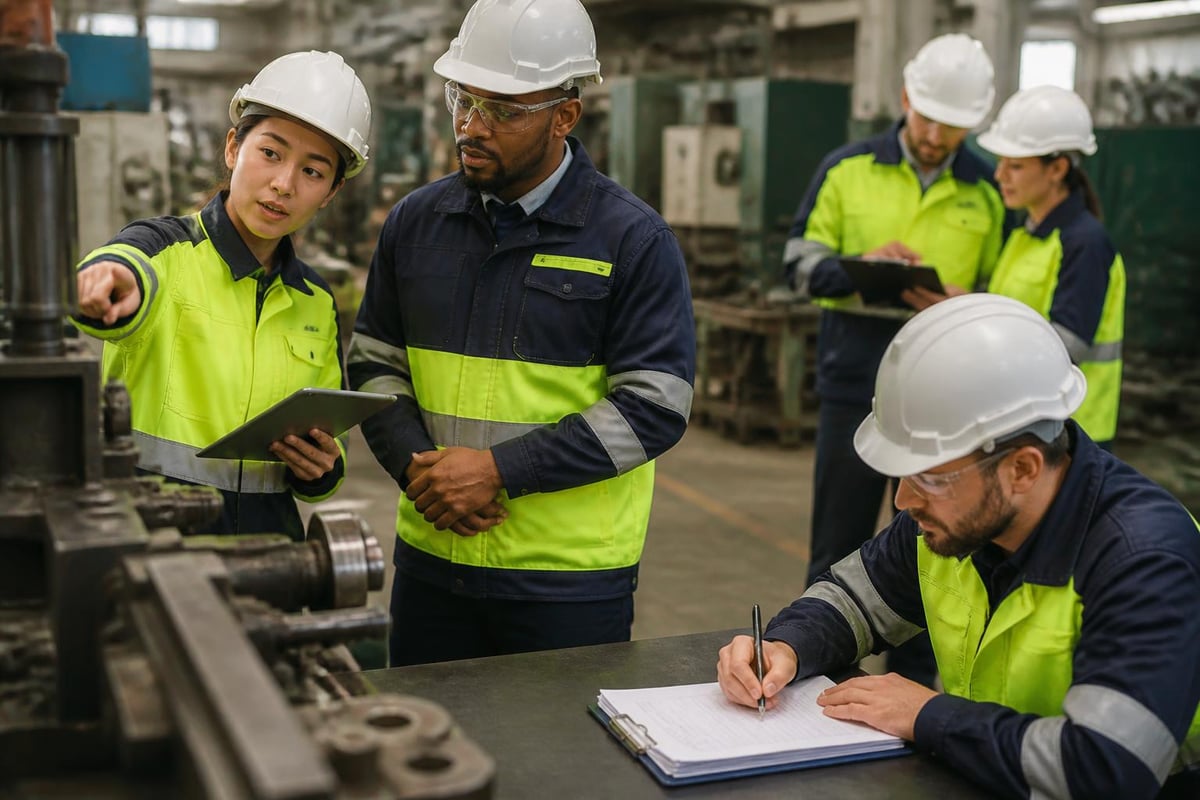
Effective work environment and safety management begins with thorough hazard identification. This systematic process examines all aspects of operations to identify potential sources of harm. Identifying workplace hazards requires both technical expertise and operational knowledge to uncover risks that might not be immediately obvious.
Physical hazards represent the most visible category, including moving machinery, electrical systems, pressurised equipment, and working at height. Chemical hazards arise from substances used in manufacturing, maintenance, or cleaning processes. Biological hazards may be present in waste management, healthcare, or food production environments. Ergonomic hazards develop gradually through repetitive tasks, awkward postures, or inadequate workstation design.
Risk Assessment Methodologies
Once hazards are identified, organisations must evaluate the likelihood and severity of potential harm. This risk assessment process determines which hazards require immediate action and which can be managed through existing controls. The hierarchy of controls provides a structured approach to risk reduction, prioritising elimination and substitution over administrative controls and personal protective equipment.
Control Level | Effectiveness | Examples |
|---|---|---|
Elimination | Most effective | Remove the hazard entirely |
Substitution | Highly effective | Replace with safer alternative |
Engineering controls | Moderately effective | Guards, ventilation, isolation |
Administrative controls | Less effective | Procedures, training, rotation |
PPE | Least effective | Protective clothing, equipment |
Regular review ensures risk assessments remain current as operations change, new equipment is introduced, or incidents reveal previously unrecognised hazards.
Equipment Safety and Statutory Inspections
Work environment and safety in engineering and manufacturing settings depends heavily on equipment integrity. Machinery, lifting equipment, pressure systems, and work equipment all require regular examination by competent persons to ensure safe operation. These statutory inspections identify deterioration, damage, or defects before they cause incidents.
Different equipment types fall under specific regulations with defined inspection requirements. The Lifting Operations and Lifting Equipment Regulations 1998 (LOLER) mandate thorough examination of cranes, hoists, and lifting accessories at prescribed intervals. The Provision and Use of Work Equipment Regulations 1998 (PUWER) cover machinery and tools, ensuring they remain safe and fit for purpose. PSSR inspections examine pressure systems like air receivers and steam boilers to prevent catastrophic failures.
Maintenance and Documentation
Establish inspection schedules based on regulatory requirements and manufacturer recommendations
Engage competent inspection providers with relevant engineering expertise
Maintain comprehensive records of all examinations and repairs
Act promptly on defects identified during inspections
Review inspection findings to identify trends and prevent recurring issues
Inspection frequency requirements vary depending on equipment type, operating environment, and usage intensity. Organisations must track these schedules carefully to maintain compliance and prevent equipment operating beyond valid certification periods.
Managing Hazardous Substances and Atmospheric Contaminants
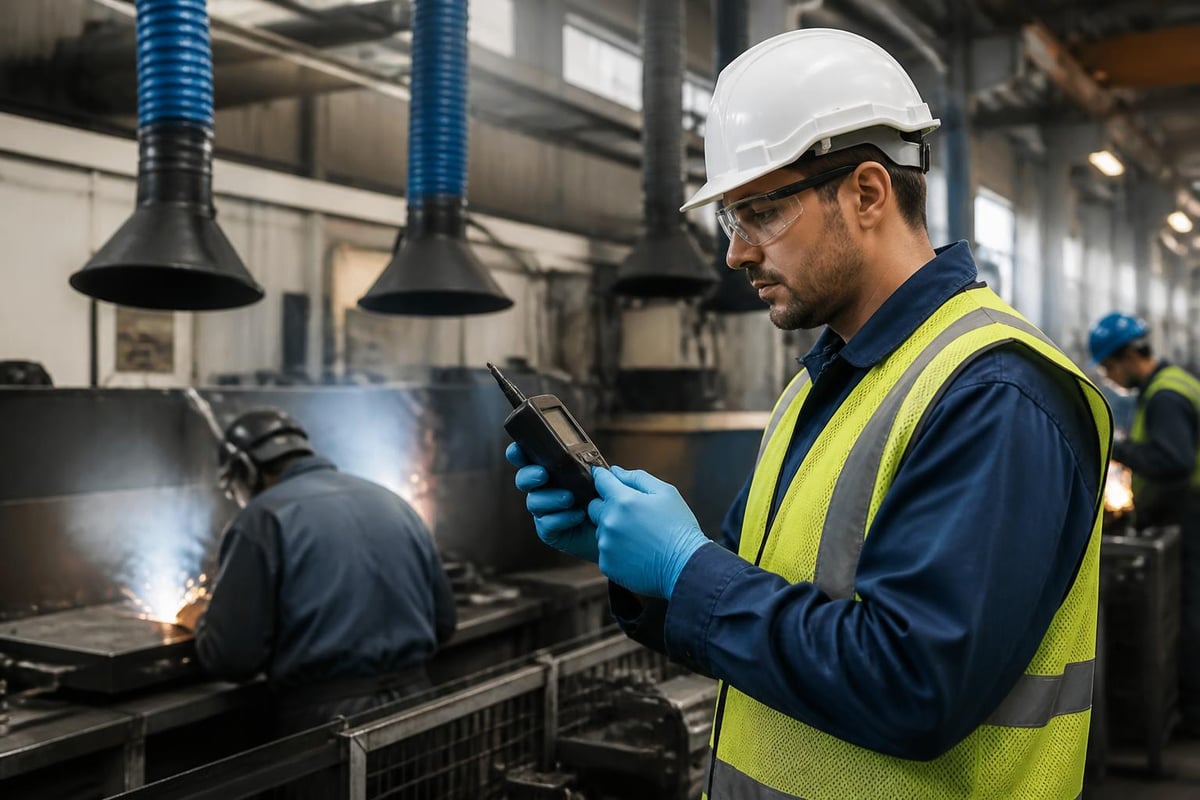
Many industrial processes generate dust, fumes, vapours, or other airborne contaminants that pose serious health risks. Work environment and safety protocols must address these hazards through effective control measures, particularly local exhaust ventilation (LEV) systems that capture contaminants at source.
The Control of Substances Hazardous to Health Regulations (COSHH) require employers to assess risks from hazardous substances and implement appropriate controls. This includes providing adequate ventilation, conducting atmospheric monitoring, and arranging health surveillance for exposed workers. LEV systems require regular testing to confirm they continue removing contaminants effectively and protecting employee health.
Ventilation System Performance
Effective LEV systems depend on several critical factors working together. Air velocity must be sufficient to capture contaminants at the point of generation, ductwork must be properly designed to maintain airflow, and filters or discharge points must prevent environmental contamination. Regular examination verifies these parameters remain within design specifications.
Testing should assess:
Static pressure readings across the system
Air velocity at capture points
Filter condition and replacement schedules
Control device functionality
Employee exposure levels
Documentation of LEV performance provides evidence of compliance and helps identify deterioration before protection fails.
Training and Competence Development
Technical controls and procedures only protect workers when people understand and follow them consistently. Work environment and safety culture depends fundamentally on workforce competence, which organisations develop through comprehensive training programmes.
Initial training introduces new employees to site-specific hazards, emergency procedures, and safe working practices. Refresher training maintains awareness and updates workers on procedure changes or new hazards. Specialist training equips designated individuals with skills needed for specific tasks like fork-lift operation, first aid provision, or fire marshal duties.
Building Safety Awareness
Training Type | Frequency | Content Focus |
|---|---|---|
Induction | On joining | Site hazards, emergency procedures, PPE requirements |
Refresher | Annual | Procedure updates, incident lessons, regulatory changes |
Specialist | As required | Equipment operation, rescue techniques, hazard-specific controls |
Toolbox talks | Monthly | Specific topics, seasonal hazards, recent incidents |
Worker rights and employer obligations extend to ensuring employees receive adequate instruction and supervision. Training records demonstrate competence and provide evidence of due diligence should incidents occur.
Ergonomics and Musculoskeletal Health
Work environment and safety extends beyond acute injury prevention to address cumulative harm from poorly designed tasks or workstations. Musculoskeletal disorders represent one of the most common causes of workplace absence, developing gradually through repetitive movements, awkward postures, or excessive force application.
Ergonomic design principles help organisations create tasks that fit human capabilities rather than forcing workers to adapt to poorly designed systems. This includes adjustable workstations, mechanical handling aids, job rotation schedules, and regular breaks from repetitive tasks.
Assessment of manual handling activities identifies opportunities to eliminate lifting through process redesign or introduce mechanical assistance. Where manual handling remains necessary, training ensures workers use correct techniques to minimise strain. Workstation assessments address desk-based roles, ensuring computer equipment, seating, and desk height support neutral postures.
Technology and Safety Innovation
Modern work environment and safety management increasingly incorporates technological solutions that enhance protection beyond traditional approaches. Wearable devices monitor environmental conditions or worker vital signs, providing early warning of heat stress, toxic gas exposure, or fatigue. Connected safety systems integrate data from multiple sources to identify trends and predict incidents before they occur.
Workplace wearable technologies offer new capabilities for real-time monitoring and intervention. Location tracking ensures workers in hazardous areas are accounted for during emergencies. Proximity sensors prevent collisions between vehicles and pedestrians in busy yards. Vibration monitors on machinery detect abnormal operation that might indicate developing faults.
Digital Safety Management
Incident reporting apps enable immediate documentation with photos and location data
Digital inspection platforms schedule examinations and track findings systematically
Training management systems monitor competence and flag expiring certifications
Risk assessment software standardises evaluation and maintains version control
Analytics dashboards visualise safety performance and identify improvement priorities
These technologies support rather than replace human judgement, providing tools that make safety management more efficient and effective.
Incident Investigation and Continuous Improvement
Even well-managed workplaces experience incidents, making effective investigation crucial to preventing recurrence. Work environment and safety improvement depends on understanding why incidents occur rather than simply identifying what happened. Root cause analysis techniques uncover underlying failures in systems, procedures, or controls that allowed the incident to develop.
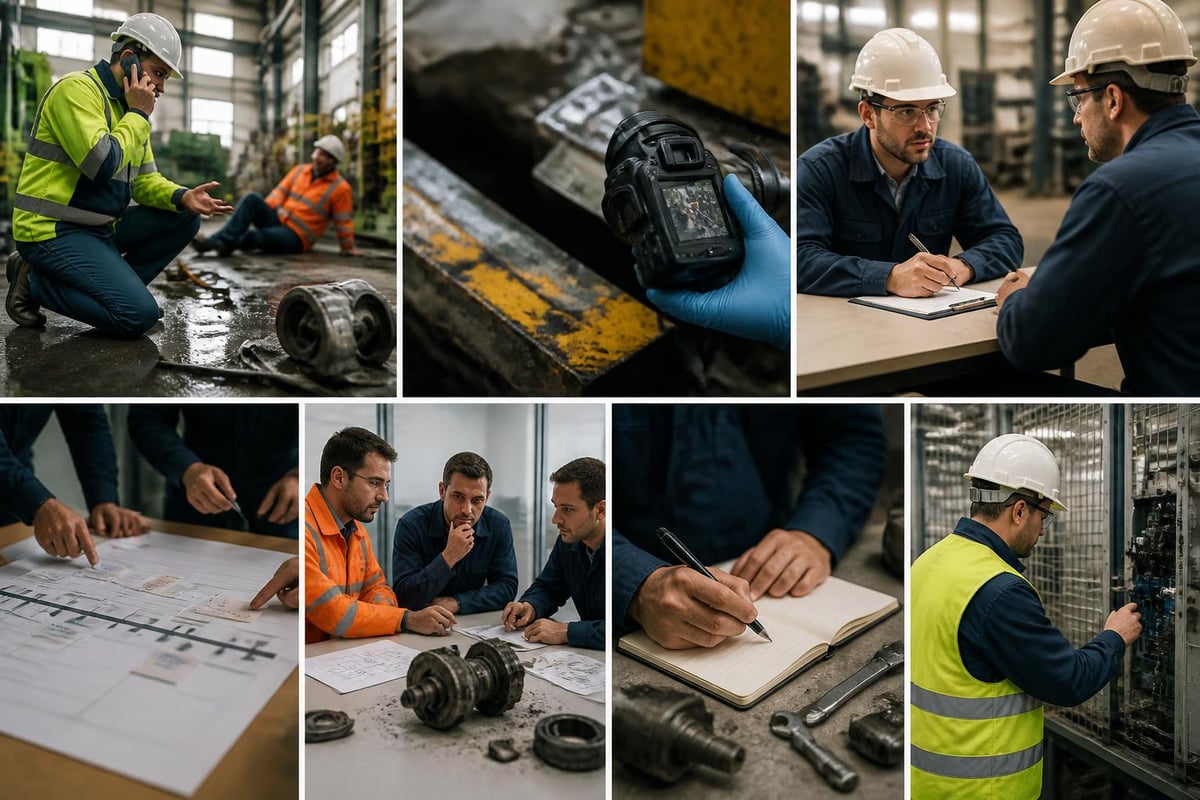
Investigation should focus on system failures rather than individual blame, encouraging open reporting and honest discussion. Near-miss reporting captures valuable learning from events that could have caused harm but didn't, often providing clearer insights than actual incidents where defensive behaviour may obscure facts.
Analysis of industrial accidents reveals common patterns that organisations can address proactively. These include inadequate maintenance, insufficient training, poor communication, and pressure to maintain production at the expense of safety. Identifying these patterns in your own incident data enables targeted improvement initiatives.
Emergency Preparedness and Response
Comprehensive work environment and safety planning addresses not just prevention but also response when incidents occur. Emergency procedures must cover fire, chemical spills, medical emergencies, equipment failures, and any scenario-specific risks relevant to the operation. Regular drills ensure personnel know their roles and can execute procedures under pressure.
Fire safety encompasses prevention measures like hot work permits and ignition source control alongside detection systems, firefighting equipment, and evacuation procedures. First aid provision must be proportionate to workforce size and hazard profile, with trained personnel available during all operating hours. Emergency lighting and signage guide evacuation even when primary systems fail.
Essential emergency preparedness elements:
Clear alarm systems audible throughout the site
Designated assembly points away from buildings
Emergency contact lists for services and key personnel
Shut-down procedures for equipment and utilities
Arrangements for workers requiring assistance
Communication systems independent of normal infrastructure
Business continuity planning ensures organisations can resume operations after emergencies whilst managing safety implications of disrupted systems or temporary arrangements.
Contractor and Visitor Management
Work environment and safety responsibilities extend to everyone present on site, including contractors, delivery drivers, maintenance personnel, and visitors. Organisations must assess contractor competence before engagement, communicate site-specific hazards effectively, and coordinate activities to prevent interference between different work groups.
Induction procedures ensure contractors understand emergency arrangements, permit-to-work requirements, and any specific hazards they might encounter. Work permits formalise high-risk activities like hot work, confined space entry, or work at height, ensuring proper precautions are in place before work begins. Engineering inspection services often involve contractors working in complex industrial environments where coordination is essential.
Permit-to-Work Systems
Permit Type | Typical Scope | Key Controls |
|---|---|---|
Hot work | Welding, cutting, grinding | Fire watch, combustible removal, extinguishers |
Confined space | Tanks, vessels, sewers | Atmospheric testing, rescue arrangements, communication |
Working at height | Roofs, platforms, elevated areas | Fall protection, exclusion zones, weather monitoring |
Electrical isolation | Maintenance, modifications | Lock-out/tag-out, voltage testing, authorised personnel |
Regular audits verify permit systems are followed consistently and identify opportunities for simplification or improvement.
Psychological Wellbeing and Organisational Culture
Modern understanding of work environment and safety encompasses mental health and psychological wellbeing alongside physical hazards. Workplace stress, excessive workload, bullying, and poor management practices can cause significant harm to employee health and organisational performance.
Organisations should assess psychosocial risks systematically, considering factors like job demands, control, support, relationships, role clarity, and organisational change. Employee surveys, absence monitoring, and turnover analysis provide indicators of wellbeing issues requiring attention.
Creating a positive safety culture requires visible management commitment, worker participation in safety decisions, open communication about hazards and incidents, and consistent application of rules. Safety culture development takes time but delivers sustained improvements in both safety performance and broader organisational effectiveness.
Measuring and Monitoring Safety Performance
Effective work environment and safety management requires measurement to identify trends, evaluate interventions, and demonstrate improvement. Traditional lagging indicators like injury rates show outcomes but don't predict future performance. Leading indicators measure proactive activities that prevent incidents before they occur.
Leading safety indicators include:
Training completion rates
Inspection findings closure times
Near-miss reporting frequency
Safety observation programmes participation
Corrective action implementation rates
Combining leading and lagging indicators provides a balanced view of safety performance. Regular reporting to senior management ensures safety remains a strategic priority and resources are allocated appropriately. Benchmarking against industry standards helps organisations understand relative performance and identify improvement opportunities.
Seasonal and Environmental Considerations
Work environment and safety challenges vary with seasons and weather conditions. Winter brings risks from ice, reduced daylight, and cold stress. Summer presents heat stress concerns, particularly for outdoor workers or those near furnaces and other heat sources. Extreme weather events are becoming more frequent with climate change, requiring updated emergency procedures and infrastructure resilience.
Seasonal maintenance activities often concentrate in shutdown periods, introducing temporary hazards and unfamiliar workers to sites. Planning these activities carefully, ensuring adequate supervision, and maintaining safety standards despite time pressures prevents the incident spike often seen during intense maintenance periods.
Environmental monitoring tracks workplace conditions that affect safety, including temperature, humidity, noise levels, and lighting. Trending this data identifies deterioration requiring intervention and demonstrates compliance with workplace environmental standards.
Audit and Compliance Verification
Regular audits provide independent verification that work environment and safety systems function as intended. Internal audits conducted by trained personnel examine specific activities, departments, or management systems. External audits by regulatory inspectors or third-party assessors provide objective evaluation and identify issues internal processes might miss.
Health and safety compliance requires systematic documentation demonstrating that required activities occur and findings are addressed. Audit programmes should cover all aspects of safety management over defined cycles, ensuring nothing is overlooked.
Corrective action tracking ensures deficiencies identified during audits are resolved promptly. Trend analysis of audit findings reveals systemic issues requiring management system improvements rather than just isolated corrections. Sharing findings across the organisation prevents similar issues developing in other areas.
Achieving excellence in work environment and safety requires sustained commitment, technical expertise, and systematic management across all operational aspects. Organisations that prioritise safety create healthier, more productive workplaces whilst meeting their legal obligations and protecting their most valuable asset-their people. Workplace Inspection Services Ltd supports businesses throughout the UK with expert statutory inspections under LOLER, PUWER, PSSR and COSHH/LEV regulations, helping maintain compliance and ensure safe working environments. Contact the team to discuss how professional engineering inspections can strengthen your safety management systems.