LOLER Regulations: A Complete Guide for UK Businesses
LOLER Regulations: A Complete Guide for UK Businesses
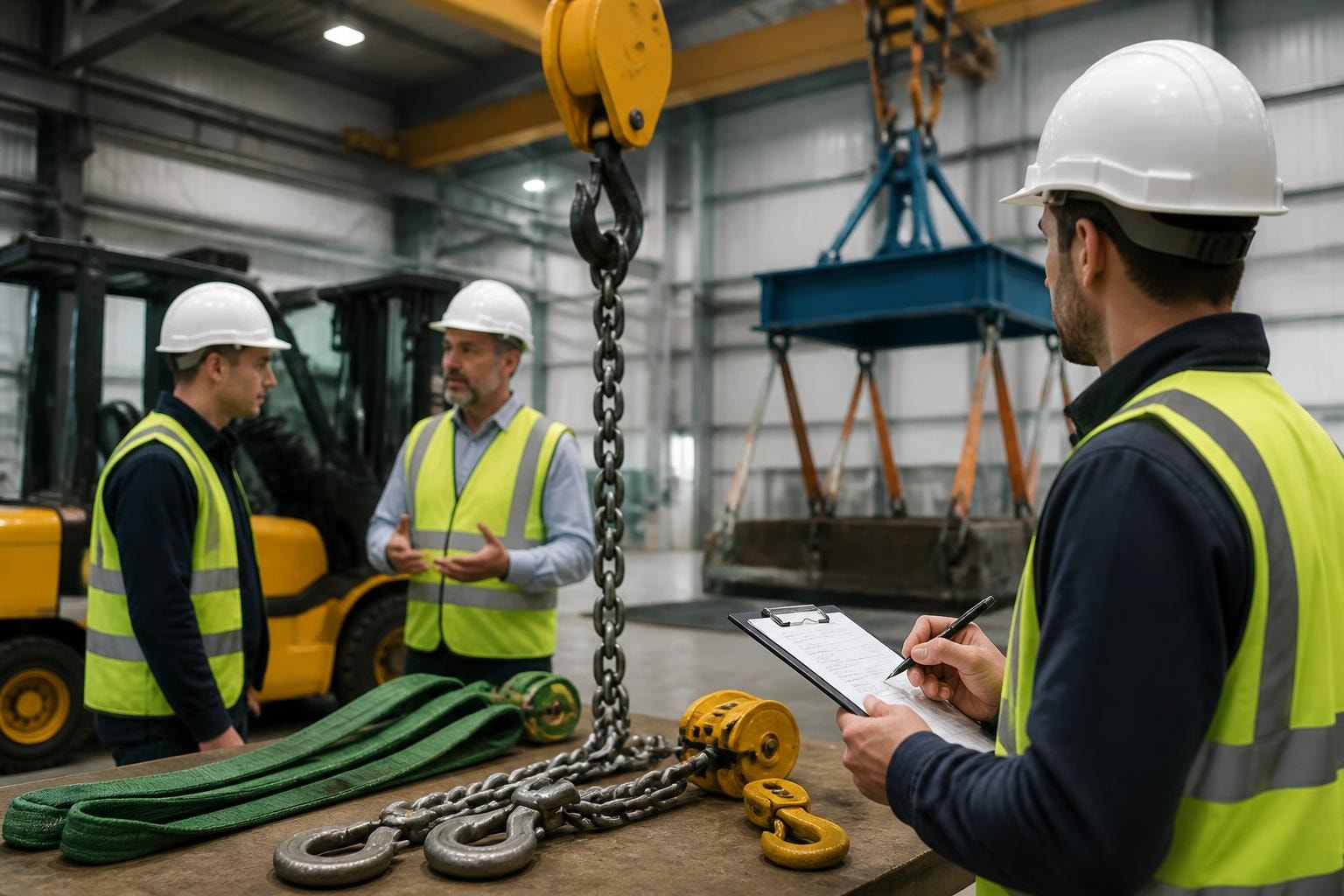
Understanding workplace safety legislation is essential for any organisation that uses lifting equipment. The Lifting Operations and Lifting Equipment Regulations 1998, commonly known as LOLER, form a critical part of the UK's health and safety framework. These regulations establish clear requirements for businesses to ensure that lifting operations are planned, supervised and carried out safely. For organisations across manufacturing, warehousing, construction and countless other sectors, compliance with loler regulations isn't simply a legal obligation-it's a fundamental commitment to protecting employees and maintaining operational integrity.
What Are LOLER Regulations?
LOLER regulations came into force on 5 December 1998 as part of a comprehensive update to UK workplace safety legislation. These statutory requirements sit alongside other essential frameworks such as the Health and Safety at Work Act 1974 and the Provision and Use of Work Equipment Regulations 1998 (PUWER).
The primary purpose of loler regulations is to reduce risks associated with lifting equipment and lifting operations. Every year, accidents involving lifting equipment result in serious injuries and fatalities across UK workplaces. By establishing clear standards for equipment maintenance, inspection and operational procedures, LOLER aims to prevent these incidents.
Core Principles and Legal Framework
The regulations apply to all businesses and organisations where lifting equipment is used for work purposes. This includes equipment used to lift or lower people, goods or materials. The Health and Safety Executive provides comprehensive guidance on how these regulations should be interpreted and implemented across different workplace scenarios.
Key principles underpinning loler regulations include:
Strength and stability: All lifting equipment must be of adequate strength and stability for each load
Positioning and installation: Equipment must be positioned or installed to prevent risks
Marking of equipment: Lifting equipment must be clearly marked with safe working loads
Organisation of operations: All lifting operations must be properly planned, supervised and carried out safely
Recent developments have seen the HSE launching reviews to ensure regulations keep pace with technological advancement. As reported in 2025, these reviews aim to modernise the UK's workplace safety framework whilst maintaining robust protection standards.
Equipment Covered Under LOLER
Understanding which equipment falls within the scope of loler regulations is essential for compliance. The regulations cover a remarkably wide range of lifting apparatus, and many organisations are surprised to discover the full extent of equipment requiring regular examination.
Types of Lifting Equipment
Equipment subject to LOLER includes both powered and manual devices used to lift or lower loads. Common examples include:
Cranes (mobile, tower, overhead and gantry cranes)
Hoists and lifting platforms
Passenger and goods lifts
Forklift trucks and telehandlers
Lifting accessories (chains, slings, shackles, eyebolts)
Vehicle inspection ramps and scissor lifts
Pallet trucks and stackers
Dock levellers and tail lifts
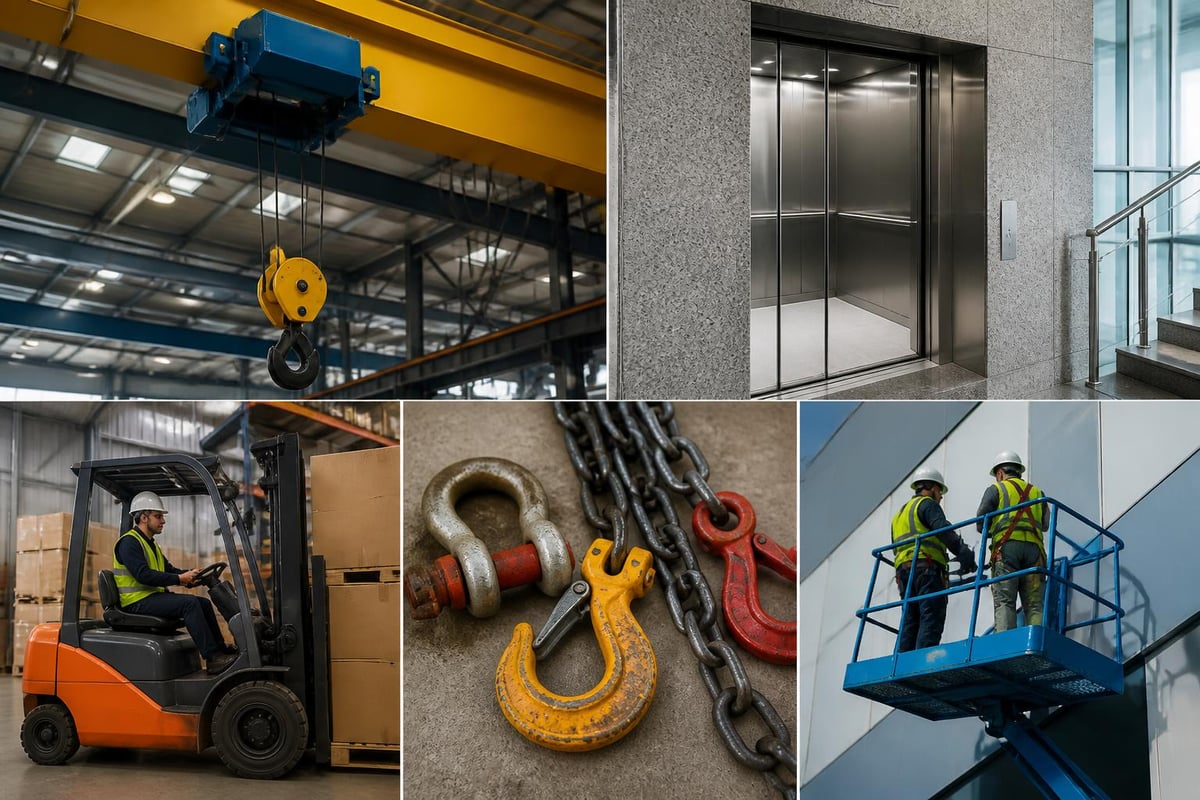
Lifting accessories deserve particular attention as they're frequently overlooked. These are components used for attaching loads to lifting equipment, including wire ropes, webbing slings, hooks and spreader beams. Despite their seemingly simple nature, lifting accessories require the same rigorous examination as more complex machinery.
Equipment Category | Examples | Typical Examination Frequency |
|---|---|---|
Fixed Cranes | Tower cranes, overhead cranes | 6-12 months |
Mobile Equipment | Forklifts, telehandlers | 6-12 months |
Lifting Accessories | Slings, chains, shackles | 6-12 months |
Passenger Lifts | Building lifts, platform lifts | 6 months |
Work Platforms | MEWPs, scissor lifts | 6-12 months |
The regulations also extend to equipment used to lift people, which carries additional responsibilities given the increased risk to human life. Any equipment designed to support, suspend or transport personnel must meet higher safety standards.
Employer Duties and Responsibilities
LOLER places significant responsibilities on employers, equipment owners and those who control lifting operations. Understanding these duties is crucial for maintaining both compliance and workplace safety.
Planning and Supervision Requirements
Every lifting operation must be properly planned by a competent person. This means assessing the task, considering the load characteristics, selecting appropriate equipment and identifying potential hazards. Planning should account for environmental factors such as wind conditions, ground stability and workspace constraints.
Operations must be appropriately supervised by someone with the necessary knowledge and experience. The level of supervision required depends on the complexity and risk level of the operation. Routine lifts in controlled environments may need less direct oversight than complex operations in challenging conditions.
Those carrying out lifting operations must be competent. This involves having adequate training, knowledge and practical experience relevant to the specific equipment and tasks being performed. Organisations must maintain records demonstrating that operators have received appropriate instruction and assessment.
Safe Working Load and Equipment Marking
Loler regulations require that lifting equipment is clearly marked with its safe working load (SWL). This critical information must be displayed where it can be easily seen during operation. For accessories like slings and chains that may be used in different configurations, the SWL must be specified for each potential use.
Equipment must not be used beyond its rated capacity. Exceeding safe working loads dramatically increases the risk of equipment failure, potentially resulting in catastrophic accidents. Regular monitoring and clear communication of load limits are essential control measures.
Thorough Examination and Inspection
One of the most significant requirements under loler regulations is the need for thorough examinations conducted by competent persons at specified intervals. This goes beyond routine maintenance and requires detailed assessment of the equipment's condition and suitability for continued use.
For equipment used to lift people, thorough examinations must occur at least every six months. Other lifting equipment typically requires examination every twelve months, though this can be shortened if a written scheme of examination specifies more frequent intervals based on risk assessment. Understanding inspection frequency requirements helps organisations plan their compliance programmes effectively.
Thorough Examination Requirements
The concept of thorough examination sits at the heart of loler regulations. This systematic inspection process ensures equipment remains safe and identifies deterioration before it leads to failure.
What Constitutes a Thorough Examination
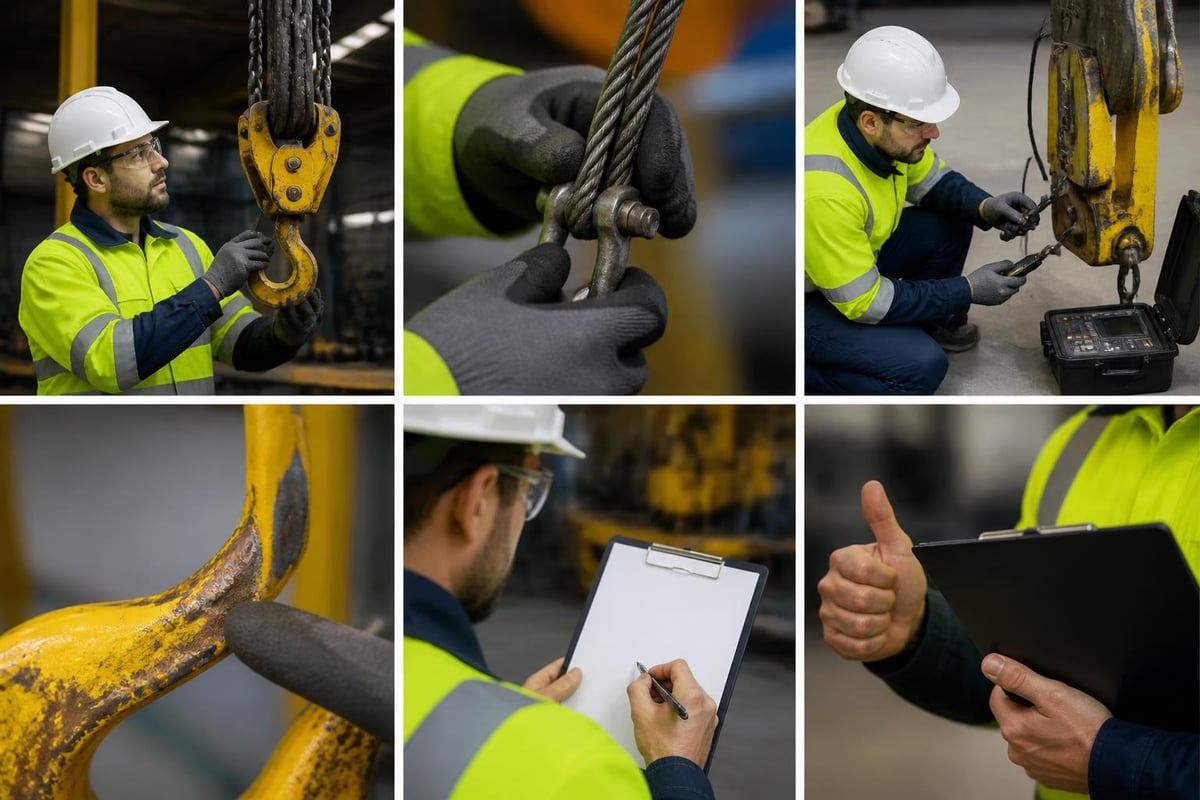
A thorough examination is a detailed, methodical assessment carried out by a competent person to determine whether equipment can continue to be used safely. It goes substantially beyond routine visual checks or basic maintenance activities.
During a thorough examination, the inspector will:
Visually examine all accessible parts of the equipment
Carry out non-destructive testing where appropriate
Check for signs of wear, damage, corrosion or deformation
Verify that safety devices and mechanisms function correctly
Review previous examination reports to track deterioration patterns
Assess whether the equipment remains suitable for its intended use
The examination must be sufficiently thorough to detect defects that could result in dangerous situations. This requires both technical knowledge of how the equipment functions and practical experience in identifying potential failure modes.
Competent Persons and Qualifications
LOLER doesn't prescribe specific qualifications for competent persons, instead defining competence as having sufficient training, experience, knowledge and other qualities. In practice, most thorough examinations are conducted by qualified engineers with recognised credentials relevant to the equipment type.
Professional inspection services such as LOLER inspections employ engineers with extensive training and certification from recognised bodies. These specialists maintain current knowledge of equipment standards, failure mechanisms and regulatory requirements.
Examination Timing and Frequency
First thorough examinations must occur before equipment is put into service for the first time, after installation or assembly. Following this initial examination, periodic examinations must be conducted according to specified intervals.
The standard frequencies are:
Equipment lifting persons: Maximum 6-month intervals
Other lifting equipment: Maximum 12-month intervals (or as specified in examination scheme)
After exceptional circumstances: Following installation, significant modification or events that may affect safety
Some organisations opt for more frequent examinations based on usage intensity, operating environment or specific risk factors. Heavy use, harsh conditions or critical applications may justify examinations every three or six months even for equipment that would normally require annual assessment.
Documentation and Record Keeping
Maintaining comprehensive records is both a legal requirement and a practical necessity for managing lifting equipment safety programmes effectively.
Reports of Thorough Examination
Following each thorough examination, the competent person must provide a report documenting their findings. As detailed in LOLER record-keeping guidance, this report must include specific information such as:
Details identifying the equipment examined
Date of examination and location
Findings regarding equipment condition and safety
Defects identified and their severity
Whether equipment can continue in use
Date by which next examination should occur
Name and qualifications of the examiner
Reports must be submitted promptly-within 28 days for routine examinations, or immediately if defects pose imminent danger. Where serious defects are identified that could cause danger to persons, the examiner must inform both the equipment user and the relevant enforcing authority.
Record Retention Periods
Employers must keep thorough examination reports accessible for inspection. The retention period depends on equipment type:
Equipment Type | Retention Period |
|---|---|
Stationary equipment | Until next report received |
Mobile equipment | Until next two reports received |
Lifting accessories | Until next report received |
Beyond regulatory minimums, maintaining longer-term records provides valuable historical data for tracking equipment condition trends and informing replacement decisions. Many organisations retain examination records for the equipment's entire operational life.
Digital record systems have become increasingly popular, offering advantages including easier searching, automated reminders for upcoming examinations and the ability to access records from multiple locations. However, loler regulations accept both electronic and paper-based systems provided they remain accessible and secure.
Common Compliance Challenges
Whilst loler regulations establish clear requirements, organisations frequently encounter practical challenges in achieving and maintaining compliance.
Identifying All Equipment in Scope
Many businesses underestimate the range of equipment requiring LOLER compliance. Small lifting accessories, infrequently used equipment or items purchased for specialist projects can easily be overlooked during inventory processes.
Conducting thorough equipment audits helps ensure nothing falls through gaps. This should include checking across all sites, departments and storage areas. Involving operational staff who use equipment daily often reveals items that wouldn't appear on formal asset registers.
Managing Examination Schedules
Coordinating examinations across diverse equipment portfolios presents logistical challenges. Different examination frequencies, varying usage patterns and equipment distributed across multiple locations require careful planning.
Implementing centralised tracking systems helps manage these complexities. Whether using spreadsheets, specialised software or outsourced management services, having a single source of truth for examination due dates prevents missed inspections and potential compliance breaches.
Sourcing Competent Examiners
Finding competent persons with appropriate expertise for specialist equipment can prove difficult, particularly in remote locations or for unusual equipment types. Some organisations attempt to develop internal competence, whilst others engage external inspection services.
The approach taken often depends on equipment variety, volumes and criticality. Large organisations with substantial lifting equipment fleets may justify employing dedicated inspection engineers, whilst smaller businesses typically rely on specialist contractors who bring broader experience across diverse equipment types. Understanding the broader context of workplace inspection regulations helps organisations make informed decisions about their compliance approach.
Defects and Remedial Actions
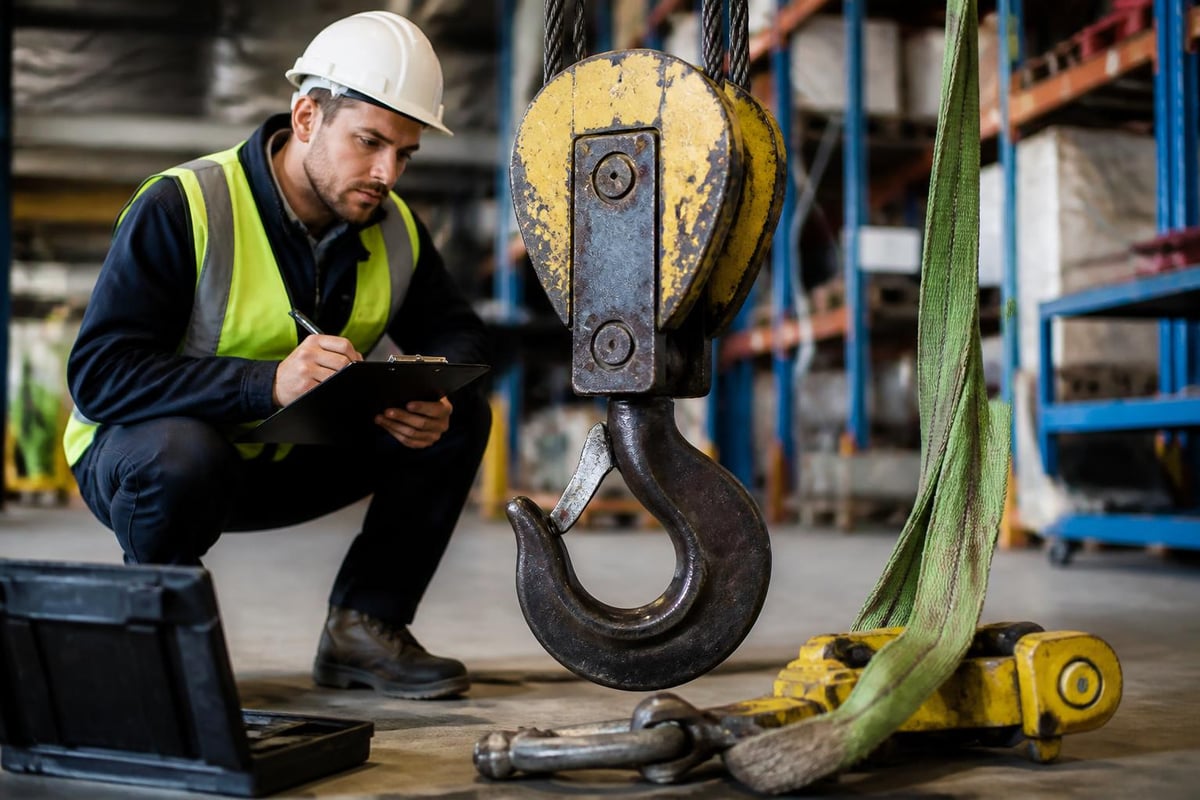
How organisations respond when defects are identified during thorough examinations significantly impacts both safety and compliance.
Categorising Defect Severity
Not all defects carry equal risk. Competent examiners classify findings based on their potential to cause danger:
Imminent danger: Defects that could cause immediate risk require equipment to be taken out of service immediately
Major defects: Significant issues requiring repair within specified timeframes before continued use
Minor defects: Problems that should be addressed during routine maintenance but don't prevent continued use
The examination report will clearly state whether equipment can continue in operation and any conditions or timeframes attached to this decision.
Responding to Examination Findings
When defects are identified, swift and appropriate action is essential. Equipment presenting imminent danger must be isolated immediately to prevent use until repairs are completed and verified. Ignoring or delaying response to serious defects exposes workers to unacceptable risk and represents a breach of loler regulations.
Organisations should establish clear procedures for:
Receiving and reviewing examination reports
Authorising and prioritising remedial work
Ensuring equipment remains isolated until repairs are certified
Verifying repairs meet required standards
Obtaining clearance before returning equipment to service
Where repairs involve significant structural modifications or replacement of critical components, additional thorough examinations may be required before equipment can be returned to use.
Integration with Other Regulations
LOLER doesn't operate in isolation. Effective workplace safety requires understanding how these regulations interact with complementary legislation.
PUWER and LOLER Overlap
The Provision and Use of Work Equipment Regulations 1998 (PUWER) establishes general requirements for all work equipment, whilst loler regulations provide specific additional requirements for lifting equipment. Both apply simultaneously to lifting apparatus.
PUWER addresses aspects including equipment suitability, maintenance, inspection, information and training. LOLER supplements these with requirements specific to lifting operations such as thorough examination frequencies and safe working load marking. Businesses must comply with both sets of regulations for their lifting equipment.
Pressure Systems and Lifting Equipment
Some lifting equipment incorporates pressure systems-for example, hydraulic lifting platforms or pneumatic hoists. Where this occurs, both loler regulations and the Pressure Systems Safety Regulations 2000 may apply to different aspects of the same equipment.
This dual compliance requirement means equipment may require examination under both regulatory frameworks. Organisations must ensure both types of assessment occur according to their respective schedules and that examiners possess appropriate competence for each aspect.
Health and Safety at Work Act
The Health and Safety at Work Act 1974 establishes the overarching framework within which specific regulations like LOLER operate. Employers have general duties to ensure, so far as reasonably practicable, the health and safety of employees and others affected by their work activities.
LOLER provides specific measures through which these general duties are discharged in relation to lifting equipment. However, compliance with loler regulations doesn't automatically satisfy all health and safety obligations. Employers must still conduct risk assessments, implement appropriate control measures and maintain general workplace safety standards. Resources covering safety and regulation provide broader context for these interconnected requirements.
Industry-Specific Considerations
Whilst loler regulations apply universally, different sectors face unique challenges in implementation.
Manufacturing and Warehousing
Manufacturing facilities and warehouses typically operate extensive lifting equipment portfolios. Overhead cranes, gantries, hoists and materials handling equipment are fundamental to daily operations.
These environments often see intensive equipment use, meaning wear accumulates rapidly. More frequent examinations than regulatory minimums may be appropriate based on usage patterns and operating conditions. High-turnover workforces also necessitate robust training programmes to ensure all operators understand safe lifting procedures.
Construction Sites
Construction presents particular challenges due to temporary site setups, frequently changing conditions and the mobile nature of equipment. Tower cranes, mobile cranes and lifting accessories move between sites, requiring careful tracking to ensure examination schedules aren't disrupted.
Environmental factors such as weather exposure, ground conditions and confined spaces must be factored into both equipment selection and lifting operation planning. Construction sites also involve multiple contractors, making clear allocation of LOLER responsibilities essential.
Healthcare and Care Facilities
Healthcare settings use patient hoists and lifting equipment designed to move people with limited mobility. Because this equipment lifts persons rather than goods, six-monthly examination frequencies apply.
These environments require particular sensitivity around equipment reliability given the vulnerability of those being lifted. Equipment failure could result in serious injury to patients who may already have compromised health. Operators need training not just in mechanical operation but also in dignified, safe patient handling techniques.
Best Practices for LOLER Compliance
Achieving consistent compliance requires more than simply meeting minimum regulatory requirements. Leading organisations implement comprehensive lifting equipment management systems.
Developing a Written Scheme of Examination
Whilst not mandatory for all equipment, developing a written scheme of examination provides a structured framework for compliance. This document, prepared by a competent person, specifies what should be examined, how examinations should be conducted and at what intervals.
Written schemes allow examination frequencies to be tailored based on equipment-specific risk factors rather than applying standard intervals to all equipment. Factors considered might include:
Equipment type and complexity
Usage frequency and intensity
Operating environment and conditions
Maintenance standards and history
Consequences of equipment failure
Implementing Pre-Use Checks
Thorough examinations represent only one element of equipment safety. Daily or pre-use checks conducted by operators provide an additional safety layer, identifying obvious defects that may develop between formal examinations.
These checks should follow documented procedures covering visible components such as:
Load-bearing elements for damage or deformation
Safety devices and limit switches
Controls and emergency stops
Warning markings and signage
Wire ropes, chains and other wearing parts
Operators should receive training enabling them to recognise defects requiring equipment to be taken out of service and know how to report findings appropriately.
Maintenance and Repair Standards
Regular maintenance prevents many defects from developing in the first place. Preventive maintenance programmes should align with manufacturers' recommendations and be adjusted based on actual operating conditions and thorough examination findings.
All maintenance and repair work should meet appropriate standards. Using genuine parts, following manufacturer procedures and ensuring work is performed by qualified technicians helps maintain equipment integrity. Records of maintenance activities provide valuable information for competent persons conducting thorough examinations.
Training and Competence Development
Investing in operator training delivers multiple benefits. Competent operators are less likely to misuse equipment, more likely to identify potential problems early and better equipped to respond appropriately when issues arise.
Training programmes should cover:
Specific equipment operation procedures
Understanding of safe working loads and limitations
Recognition of common defects and wear patterns
Pre-use inspection requirements
Incident reporting procedures
Relevant regulatory requirements
Regular refresher training ensures skills and knowledge remain current, particularly important when new equipment is introduced or procedures change.
Understanding and implementing loler regulations is fundamental to maintaining safe lifting operations across UK workplaces. The requirements for thorough examination, competent planning and proper documentation create a robust framework that protects workers and ensures equipment reliability. For organisations seeking expert support in managing their compliance obligations, Workplace Inspection Services Ltd provides nationwide statutory inspection services delivered by qualified engineers, helping businesses across all sectors maintain compliance whilst focusing on their core operations.