Lifting Equipment Ltd: Standards and Inspection Services
Lifting Equipment Ltd: Standards and Inspection Services

The lifting equipment industry plays a critical role in maintaining workplace safety across manufacturing, construction, logistics, and countless other sectors. Companies like lifting equipment ltd specialise in providing comprehensive inspection, maintenance, and certification services that ensure cranes, hoists, lifting accessories, and other critical equipment meet stringent safety standards. As regulatory requirements continue to evolve in 2026, understanding the role these specialist providers play in safeguarding workers and maintaining operational compliance has never been more important for businesses relying on lifting operations.
The Role of Specialist Lifting Equipment Providers
Lifting equipment ltd companies serve as essential partners for organisations that depend on safe, compliant lifting operations. These specialist providers offer a range of services spanning inspection, certification, repair, maintenance, and engineering support. Their expertise extends across diverse equipment types including overhead cranes, mobile cranes, chain hoists, wire rope systems, slings, shackles, lifting beams, and fall protection equipment.
Comprehensive Service Offerings
The typical service portfolio from a lifting equipment ltd provider encompasses several key areas:
Statutory inspections and thorough examinations under regulations such as LOLER (Lifting Operations and Lifting Equipment Regulations 1998)
On-site inspection and repair services for cranes, trolleys, hoists, and associated equipment
Magnetic particle inspection and non-destructive testing for critical components
Fall protection equipment inspection and certification
Engineering design and modification services for bespoke lifting solutions
Equipment sales and rental with full technical support
Many lifting equipment ltd organisations operate across regional or national territories, providing consistent service standards regardless of location. This geographical coverage proves particularly valuable for multi-site operations requiring standardised inspection protocols and unified reporting.

Industry Specialisation and Expertise
Providers like lifting equipment ltd typically employ teams of qualified engineers and technicians who hold relevant certifications and industry accreditations. These professionals understand the technical complexities of hydraulic systems, mechanical assemblies, electrical controls, and structural components that comprise modern lifting equipment. Their specialised knowledge enables them to identify subtle defects, wear patterns, or compliance issues that less experienced inspectors might overlook.
The technical expertise extends to understanding industry-specific applications. A lifting equipment ltd company serving manufacturing clients must appreciate production environment challenges, whilst those supporting construction sites need familiarity with mobile equipment and temporary installations. This sector-specific knowledge ensures inspections and recommendations remain practical and contextually appropriate.
Regulatory Compliance Framework
The regulatory landscape governing lifting equipment has developed significantly to address workplace safety concerns. In the UK, LOLER regulations establish clear requirements for thorough examination of lifting equipment, whilst organisations must also consider PUWER (Provision and Use of Work Equipment Regulations 1998) and sector-specific guidance.
LOLER Compliance Requirements
LOLER mandates that all lifting equipment must be:
Sufficiently strong and stable for the intended use
Positioned and installed to minimise risks
Marked with safe working loads where necessary
Thoroughly examined at specified intervals by competent persons
Subject to inspection following installation and after significant modification
Businesses working with lifting equipment ltd providers benefit from their expertise in navigating these requirements. Understanding inspection frequency requirements proves essential, as intervals vary depending on equipment type, application, and risk assessment findings.
Equipment Type | Typical Inspection Frequency | Risk Factors |
|---|---|---|
Overhead Cranes | 6-12 months | Usage intensity, environment, load capacity |
Mobile Cranes | 6-12 months | Site conditions, operational patterns |
Lifting Accessories | 6-12 months | Wear rates, storage conditions |
Passenger/Goods Lifts | 6 months | Public access, usage frequency |
International Standards and Best Practices
Beyond UK regulations, lifting equipment ltd companies often reference international standards including ANSI specifications and ISO guidelines. These standards provide additional technical detail on design, testing, and operational parameters that enhance safety beyond minimum regulatory compliance.
For organisations operating internationally or working with imported equipment, understanding how different regulatory frameworks align becomes crucial. A competent lifting equipment ltd provider can navigate these complexities, ensuring equipment meets all applicable standards regardless of origin or jurisdiction.
Inspection Methodologies and Technical Approaches
Professional inspection services from lifting equipment ltd providers employ systematic methodologies combining visual examination, functional testing, and where appropriate, non-destructive testing techniques. These comprehensive approaches ensure all potential failure modes receive appropriate scrutiny.
Visual and Functional Examination
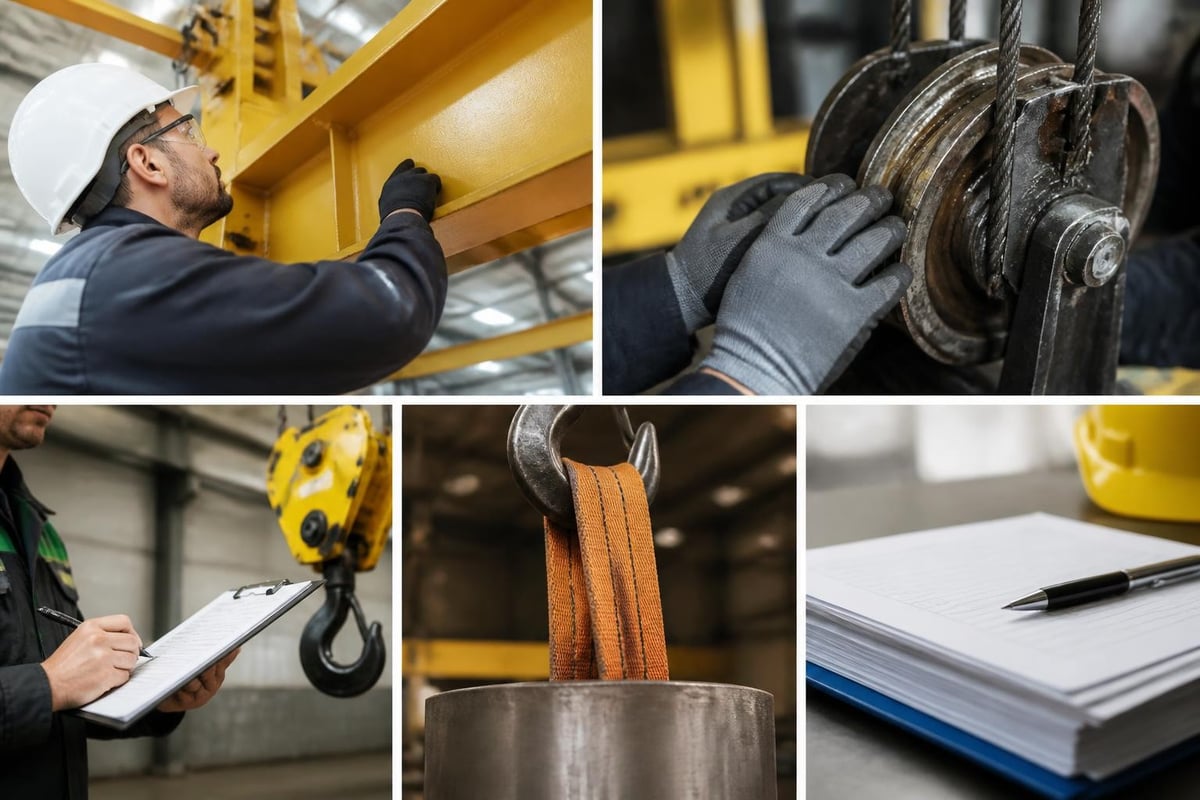
The foundation of any thorough examination involves detailed visual inspection of all accessible components. Qualified inspectors systematically examine:
Structural elements for cracks, corrosion, deformation, or damage
Wire ropes and chains for wear, broken wires, or elongation
Hooks and shackles for distortion, wear in bearing areas, or throat opening
Hydraulic and pneumatic systems for leaks, damage, or deterioration
Electrical components for damage, proper earthing, and control functionality
Safety devices including overload protection, limit switches, and emergency stops
Following visual examination, functional testing verifies that equipment operates correctly under controlled conditions. This testing confirms that brakes, controls, safety systems, and operational features perform as designed.
Advanced Testing Techniques
For critical applications or when visual inspection reveals concerns, lifting equipment ltd providers may employ advanced testing methods:
Non-destructive testing (NDT) techniques such as magnetic particle inspection, ultrasonic testing, or dye penetrant inspection can detect subsurface flaws invisible to visual examination. These methods prove particularly valuable for high-stress components where failure could have catastrophic consequences.
Load testing verifies equipment capacity and stability under controlled overload conditions. Whilst not required for every examination, load testing provides objective evidence of equipment capability and can be mandated following major repairs or modifications.
Proof load testing subjects equipment to loads exceeding normal working limits to confirm structural integrity. This testing requires careful planning and execution by experienced professionals to ensure safety whilst gathering meaningful data.
Documentation and Record Keeping
Effective documentation forms a cornerstone of professional lifting equipment ltd services. Comprehensive records demonstrate compliance, support maintenance planning, and provide historical context for identifying trends or recurring issues.
Statutory Documentation Requirements
Regulatory frameworks mandate specific documentation for lifting equipment examinations:
Thorough examination reports detailing findings, defects, and recommendations
Defect notifications highlighting issues requiring immediate attention
Equipment registers maintaining current status of all lifting equipment
Inspection certificates confirming compliance with applicable regulations
Test certificates documenting load tests or proof testing results
Modern lifting equipment ltd providers typically deliver documentation through digital platforms, enabling secure storage, easy retrieval, and integration with asset management systems. This digital approach streamlines compliance management and supports audit readiness.
Maintenance History and Trending
Beyond statutory requirements, comprehensive record keeping enables proactive maintenance strategies. By analysing inspection histories, organisations can identify:
Components requiring more frequent replacement
Equipment approaching end of serviceable life
Environmental factors accelerating degradation
Operational patterns affecting wear rates
Training needs based on damage patterns
A professional lifting equipment ltd partner contributes valuable insights by interpreting these trends and recommending targeted interventions that optimise equipment availability whilst controlling costs.
Risk Management and Safety Culture
Engaging qualified lifting equipment ltd providers represents just one element of effective risk management. Organisations must cultivate comprehensive safety cultures that prioritise lifting operation planning, operator training, and ongoing vigilance.
Operational Planning and Control
Safe lifting operations begin with thorough planning. Before each lift, responsible persons should:
Assess the load including weight, centre of gravity, and attachment points
Select appropriate equipment with adequate capacity and suitability
Identify hazards in the working area including overhead obstructions or ground conditions
Establish exclusion zones preventing unauthorised access during operations
Brief all personnel involved in or affected by the lifting operation
Professional LOLER inspections verify equipment capability, but operational safety depends equally on competent planning and execution.
Training and Competency Development
Operator competency proves fundamental to safe lifting operations. Comprehensive training programmes should address:
Equipment-specific operational procedures
Load capacity calculations and stability principles
Pre-use inspection requirements
Emergency response procedures
Regulatory compliance obligations
Lifting equipment ltd providers often offer training services complementing their inspection activities, ensuring operators understand both equipment capabilities and limitations.
Maintenance Strategies and Life-Cycle Management
Strategic maintenance planning extends equipment service life whilst optimising reliability and safety. Organisations working with lifting equipment ltd providers can develop tailored maintenance strategies aligned with operational requirements and risk profiles.
Preventive Maintenance Programmes
Systematic preventive maintenance addresses wear and deterioration before failures occur. Well-designed programmes incorporate:
Maintenance Activity | Frequency | Typical Scope |
|---|---|---|
Lubrication | Weekly/Monthly | All moving parts per manufacturer specifications |
Operational checks | Daily/Weekly | Visual inspection, functional testing |
Component inspection | Monthly/Quarterly | Detailed examination of wear items |
System calibration | Annually | Load indicators, safety devices |
Major overhaul | 3-5 years | Complete disassembly and refurbishment |
Preventive maintenance schedules should complement statutory examination intervals, creating a comprehensive equipment management framework.
Predictive Maintenance Technologies
Advanced organisations increasingly adopt predictive maintenance approaches leveraging technology to optimise intervention timing. Condition monitoring systems can track:
Vibration analysis identifying bearing wear or alignment issues
Thermal imaging detecting electrical hotspots or hydraulic leaks
Oil analysis revealing internal wear patterns
Load monitoring confirming usage patterns and capacity utilisation
Whilst predictive technologies require initial investment, they enable data-driven maintenance decisions that reduce unplanned downtime and extend component life.

Emerging Trends and Future Developments
The lifting equipment industry continues evolving in response to technological advances, regulatory developments, and changing operational requirements. Organisations partnering with forward-thinking lifting equipment ltd providers gain access to emerging capabilities that enhance safety and efficiency.
Digital Technologies and Remote Monitoring
Internet of Things (IoT) technologies increasingly enable real-time equipment monitoring and data collection. Smart sensors embedded in lifting equipment can:
Monitor load cycles and capacity utilisation
Track operational hours and movement counts
Detect abnormal operating conditions
Alert operators to developing issues
Transmit data to centralised management systems
These capabilities support proactive maintenance whilst providing objective evidence of equipment usage and condition. Some lifting equipment ltd providers now offer remote monitoring services, supplementing periodic physical examinations with continuous digital oversight.
Sustainability and Environmental Considerations
Environmental sustainability concerns increasingly influence equipment selection and management decisions. Modern lifting equipment ltd providers support sustainability objectives through:
Life extension services that maximise existing equipment utility
Energy-efficient equipment recommendations reducing operational costs
Remanufacturing programmes for major components
Responsible disposal of equipment reaching end of serviceable life
Environmental assessment of operational impacts
Understanding supplementary testing services available from inspection providers helps organisations develop comprehensive equipment management strategies addressing both safety and environmental objectives.
Regulatory Evolution
Regulatory frameworks continue adapting to address emerging risks and incorporate technological advances. Organisations must remain current with regulatory developments affecting lifting operations. Professional lifting equipment ltd providers typically monitor regulatory changes, incorporating new requirements into their service offerings and keeping clients informed of compliance implications.
Recent regulatory focus areas include:
Enhanced requirements for competent person qualifications
Stricter standards for aged equipment assessment
Updated guidance on thorough examination scope
Clarification of duty holder responsibilities
Integration of risk assessment into examination planning
Selecting the Right Inspection Partner
Choosing an appropriate lifting equipment ltd provider represents a strategic decision affecting safety outcomes, compliance status, and operational efficiency. Organisations should evaluate potential partners against multiple criteria to ensure alignment with their specific requirements.
Essential Qualification and Accreditation
Competent lifting equipment ltd providers demonstrate their capability through relevant qualifications and accreditations:
Engineering qualifications held by inspection personnel
Industry certifications such as LEEA (Lifting Equipment Engineers Association) membership
Accreditation to recognised quality standards (ISO 9001, for example)
Insurance coverage including professional indemnity and public liability
Health and safety credentials demonstrating commitment to safe working practices
Verification of these credentials provides confidence in provider capability and protects organisations from potential liability exposure.
Service Scope and Geographic Coverage
Practical considerations influence provider selection. Organisations should confirm:
Equipment types and capacity ranges covered
Geographic service area and response times
Emergency call-out availability
Reporting formats and delivery timescales
Technical support accessibility
For multi-site organisations, consistent service delivery across all locations proves particularly important. A lifting equipment ltd provider offering nationwide coverage can deliver standardised inspection protocols and unified reporting regardless of facility location.
Value Beyond Compliance
The most effective lifting equipment ltd partnerships extend beyond basic compliance. Value-added services that distinguish superior providers include:
Technical advisory services supporting equipment selection and modification
Training programmes for operators and maintenance personnel
Benchmarking data comparing performance against industry standards
Lifecycle cost analysis informing replacement decisions
Integration with client asset management systems
These enhanced services transform the relationship from transactional inspection provision to strategic partnership supporting broader operational objectives. Organisations seeking comprehensive workplace safety compliance benefit from providers offering integrated inspection services across multiple regulatory frameworks.
Cost Considerations and Budget Planning
Financial planning for lifting equipment inspections requires understanding both direct costs and potential indirect expenses. Organisations working with lifting equipment ltd providers should develop comprehensive budgets accounting for all inspection-related expenditure.
Direct Inspection Costs
Primary cost components include:
Examination fees based on equipment quantity and complexity
Travel and mobilisation costs for on-site inspections
Report preparation and documentation delivery
Emergency call-outs for unscheduled examinations
Specialist testing (NDT, load testing) when required
Fee structures vary among lifting equipment ltd providers, with options including per-item pricing, time-based rates, or comprehensive service contracts. Multi-year agreements often deliver cost predictability whilst securing priority service access.
Indirect Costs and Hidden Expenses
Beyond direct inspection fees, organisations should budget for:
Cost Category | Description | Mitigation Strategy |
|---|---|---|
Production downtime | Lost output during inspections | Schedule inspections during planned shutdowns |
Defect rectification | Repair costs for identified issues | Implement preventive maintenance programmes |
Re-inspection fees | Follow-up examinations after repairs | Address defects promptly to minimise re-work |
Obsolescence risk | Equipment no longer supportable | Plan replacement cycles proactively |
Compliance penalties | Fines for regulatory breaches | Maintain rigorous compliance management |
Proactive engagement with lifting equipment ltd providers supports cost control by identifying issues early, when interventions remain relatively straightforward and inexpensive.
Industry-Specific Applications
Different industrial sectors present unique challenges for lifting equipment management. Specialist lifting equipment ltd providers develop sector-specific expertise addressing these distinctive requirements.
Manufacturing and Production Environments
Manufacturing facilities typically operate overhead cranes, gantry systems, and production line hoists in continuous or near-continuous operation. These intensive duty cycles demand:
Frequent inspection intervals reflecting high utilisation
Minimal production disruption during examinations
Rapid defect rectification to maintain output
Integration with planned maintenance shutdowns
Understanding the compliance requirements specific to manufacturing environments ensures inspection schedules align with operational realities whilst maintaining safety standards.
Construction and Engineering Projects
Construction sites present particular challenges including:
Mobile equipment frequently moving between sites
Temporary installations with varying configurations
Outdoor environments accelerating component degradation
Multiple contractors operating diverse equipment types
Project-specific safety requirements
Lifting equipment ltd providers serving construction sectors must offer flexible, responsive service delivery accommodating project timescales and logistical constraints.
Logistics and Warehousing Operations
Distribution centres and warehousing operations rely heavily on materials handling equipment including forklifts, pallet trucks, and overhead conveyor systems. Key considerations include:
High-frequency, lower-capacity operations
Mixed equipment fleets from multiple manufacturers
Seasonal demand variations affecting utilisation
Operator turnover requiring ongoing training support
Effective partnerships with lifting equipment ltd providers in logistics environments emphasise practical, efficient inspection approaches minimising operational disruption.
Integration with Broader Safety Management Systems
Lifting equipment inspection programmes function most effectively when integrated within comprehensive workplace safety management frameworks. Forward-thinking organisations recognise that lifting equipment ltd services complement broader safety initiatives addressing multiple hazard categories.
Systematic Safety Management
Modern safety management systems adopt holistic approaches encompassing:
Risk assessment identifying and evaluating all workplace hazards
Control measures implementing hierarchy of controls to minimise risks
Training programmes developing workforce competency
Monitoring and review confirming control effectiveness
Continuous improvement refining practices based on experience
Lifting equipment inspections represent essential control measures within this framework, providing objective evidence of equipment condition and compliance status. Organisations should ensure inspection data flows into safety management systems, informing strategic decisions and resource allocation.
Multi-Regulatory Compliance
Many organisations face obligations under multiple regulatory frameworks. Companies utilising pressure systems, for instance, must comply with both LOLER for lifting equipment and PSSR (Pressure Systems Safety Regulations) for pressure vessels. Coordinating inspections across regulatory domains optimises resource utilisation whilst ensuring comprehensive coverage.
Specialist inspection providers offering services spanning LOLER, PUWER, PSSR, and other frameworks simplify compliance management through unified service delivery and integrated reporting. This consolidated approach reduces administrative burden whilst maintaining robust oversight.
Selecting the right lifting equipment inspection partner proves fundamental to maintaining safe, compliant operations across diverse industrial applications. Whether managing manufacturing facilities, construction projects, or logistics operations, organisations benefit from partnering with qualified providers offering comprehensive examination services, technical expertise, and value-added support beyond basic regulatory compliance. Workplace Inspection Services Ltd delivers independent engineering inspection services across the UK, supporting businesses with expert LOLER, PUWER, PSSR and COSHH/LEV inspections that maintain compliance, reduce operational risk, and ensure consistently safe working environments for your workforce.