Level Engineering and Inspection: A Complete Guide
Level Engineering and Inspection: A Complete Guide

Level engineering and inspection represents a critical discipline within the broader engineering and construction sectors, ensuring that structures, equipment, and systems maintain proper alignment and stability throughout their operational lifespan. This systematic approach combines precise measurement techniques with rigorous inspection protocols to verify that installations meet design specifications, regulatory requirements, and safety standards. From foundation assessments to equipment installations, these practices safeguard structural integrity whilst minimising risk across industrial, commercial, and infrastructure projects.
Understanding Level Engineering Fundamentals
Level engineering encompasses the technical processes used to establish, verify, and maintain horizontal and vertical alignment in construction and industrial settings. This discipline relies on sophisticated measurement instruments and proven methodologies to detect even minute deviations from specified tolerances.
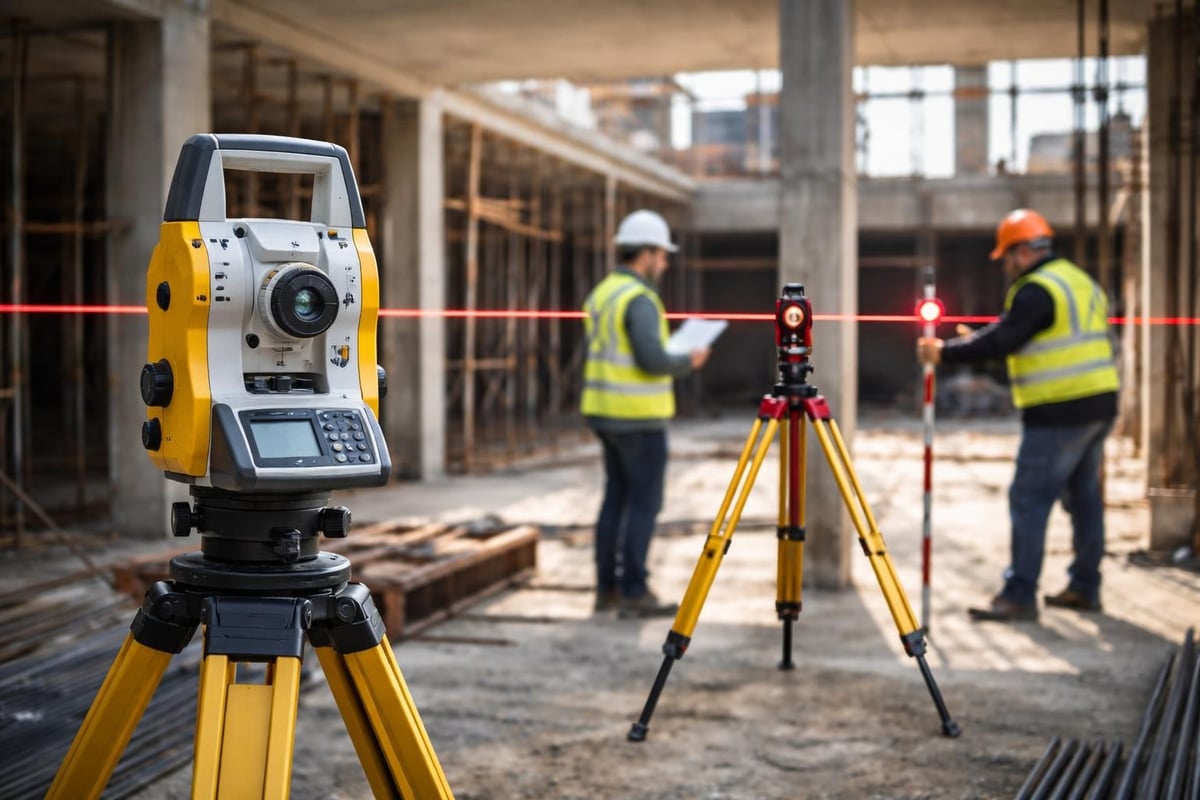
The practice extends far beyond simple spirit level checks. Modern level engineering and inspection incorporates digital theodolites, laser scanning systems, and advanced surveying equipment that provide micron-level accuracy. Engineers apply these tools to assess everything from building foundations and structural frames to precision machinery installations and pipeline systems.
Core Principles and Applications
Several fundamental principles underpin effective level engineering and inspection work:
Datum establishment – creating fixed reference points from which all measurements derive
Tolerance management – defining acceptable deviation ranges for specific applications
Progressive verification – conducting assessments at multiple construction or installation stages
Environmental compensation – accounting for temperature, settlement, and load factors
Documentation protocols – maintaining comprehensive records of all measurements and findings
These principles apply across diverse scenarios. Foundation work requires verification that concrete slabs achieve specified levelness before construction proceeds. Manufacturing facilities demand precision alignment of production equipment to ensure operational efficiency and product quality. The American Society of Civil Engineers provides extensive guidance on applying these principles across civil engineering projects.
Inspection Methodologies and Techniques
Professional inspection programmes combine visual assessments with instrumental measurements to deliver comprehensive evaluations. Inspectors follow structured protocols that systematically examine critical elements whilst documenting conditions against established benchmarks.
Traditional and Modern Approaches
Method | Application | Precision Level | Primary Use Cases |
|---|---|---|---|
Spirit levels | General construction | ±0.5mm/m | Foundation, framing |
Optical levels | Site surveying | ±1mm/100m | Grading, excavation |
Laser levels | Equipment installation | ±0.1mm/m | Machinery alignment |
Digital inclinometers | Structural monitoring | ±0.01° | Settlement tracking |
Inspectors select methods based on project requirements, environmental conditions, and specified tolerances. A warehouse floor slab may require optical levelling to verify drainage gradients, whilst precision manufacturing equipment demands laser-based alignment verified to thousandths of a millimetre.
The inspection process typically follows a phased approach:
Pre-inspection planning – reviewing drawings, specifications, and previous reports
Baseline measurements – establishing reference points and initial conditions
Systematic examination – progressing through defined inspection zones
Data analysis – comparing findings against acceptance criteria
Reporting and recommendations – documenting results and identifying corrective actions
This structured methodology ensures consistency across projects whilst enabling inspectors to adapt to unique site conditions. Understanding workplace health and safety compliance requirements helps organisations integrate level inspections within broader safety management systems.
Regulatory Framework and Standards
Level engineering and inspection activities operate within a comprehensive regulatory framework designed to protect public safety and ensure structural reliability. Multiple organisations establish standards that govern measurement accuracy, inspection frequency, and documentation requirements.
British and International Standards
The British Standards Institution publishes specifications covering surveying practices, measurement tolerances, and quality assurance procedures. BS 7334 addresses surveying instruments and methods, whilst BS 5606 provides accuracy recommendations for construction works.
Internationally, the International Organization for Standardization maintains standards applicable to measurement science and quality management systems. ISO 17123 specifies field procedures for testing geodetic instruments, ensuring measurement reliability across borders.
Key regulatory considerations include:
Instrument calibration intervals and traceability requirements
Competency standards for personnel conducting inspections
Documentation retention periods and format specifications
Reporting obligations when tolerance exceedances occur
Many industrial applications intersect with workplace safety legislation. Equipment installations must satisfy both alignment specifications and operational safety requirements. For instance, PSSR inspections verify that pressure systems achieve proper support and alignment, preventing stress concentrations that could compromise vessel integrity.
Industry-Specific Applications
Different sectors apply level engineering and inspection principles to address unique operational challenges and regulatory requirements. Each industry adapts core methodologies to suit specific equipment types, environmental conditions, and performance expectations.
Manufacturing and Production Facilities
Production environments demand exceptional alignment precision to ensure product quality and equipment longevity. Machine tool installations, conveyor systems, and automated production lines require regular verification to maintain tolerances.
Manufacturing inspections typically assess:
Foundation and anchor bolt alignment before equipment installation
Bedplate levelness and horizontal alignment of machinery
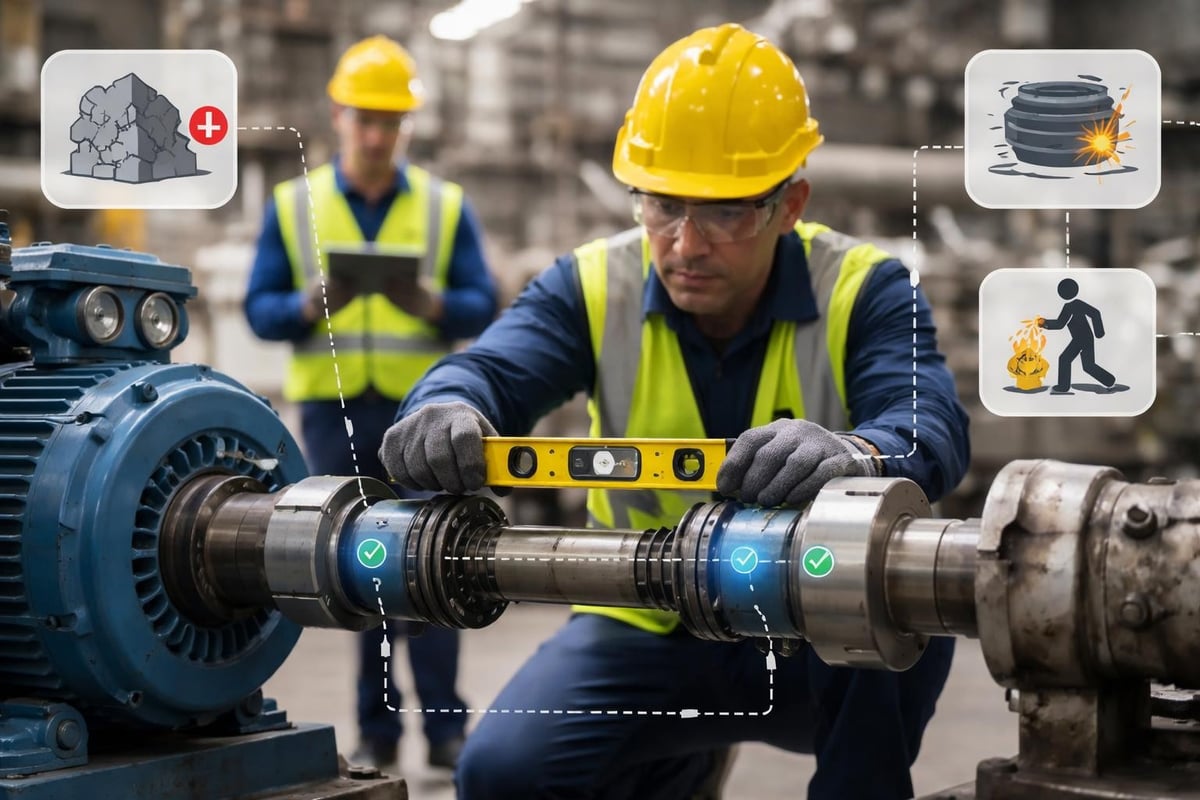
Shaft alignment between coupled rotating equipment
Rail and track systems for overhead cranes and transfer mechanisms
Even minor misalignment generates vibration, accelerates wear, and compromises product specifications. A CNC machining centre operating out of level produces parts outside tolerance, whilst misaligned conveyor systems cause tracking problems and premature bearing failure.
Infrastructure and Civil Engineering Projects
Large-scale construction projects incorporate level engineering and inspection throughout development phases. Bridge construction requires precise pier alignment and deck levelness. Railway installations demand exact track geometry. Pipeline projects specify grade requirements for proper drainage and flow characteristics.
Civil engineers reference standards from ASTM International when establishing inspection criteria for concrete placement, structural steel erection, and earthwork grading. These standards define measurement methods, acceptance tolerances, and testing frequencies appropriate for different construction elements.
Commercial and Industrial Buildings
Building projects employ level inspections to verify floor slabs, structural frames, and critical building systems. Warehouse facilities require floor flatness measurements ensuring forklift operation and racking installation compatibility. Data centres demand raised floor systems meeting strict levelness specifications for equipment installation.
The National Institute of Standards and Technology conducts research supporting measurement science advancement, improving accuracy and reliability of instruments used in commercial construction verification.
Equipment and Instrumentation
Modern level engineering and inspection relies on sophisticated equipment delivering accuracy levels unattainable with traditional methods. Technological advancement continues expanding measurement capabilities whilst reducing time requirements and improving data quality.
Instrument Categories and Capabilities
Instrument Type | Typical Range | Accuracy | Best Applications |
|---|---|---|---|
Auto levels | 100m radius | ±2mm/100m | Site grading, benchmarks |
Digital levels | 150m radius | ±0.3mm/100m | Control surveys, monitoring |
Rotating lasers | 600m diameter | ±1.5mm/100m | Large area alignment |
Total stations | 5km range | ±1" angular | Precise positioning |
3D laser scanners | 350m range | ±2mm | As-built documentation |
Professional inspectors maintain calibrated instruments with documented traceability to national standards. Regular verification ensures measurement reliability and supports quality assurance requirements.
Selection criteria consider project scope, required accuracy, environmental conditions, and budget constraints. A foundation inspection across a large industrial site benefits from rotating laser systems providing continuous reference planes, whilst precision equipment alignment demands total station measurements.
Emerging Technologies
Innovation continues transforming level engineering and inspection practices. Unmanned aerial systems equipped with photogrammetry sensors enable rapid site surveys across large areas. Building Information Modelling integration allows real-time comparison between design intent and actual installation conditions.
Remote monitoring systems track settlement and structural movement continuously, alerting engineers when thresholds exceed acceptable limits. These technologies complement traditional inspection methods, enhancing detection capabilities whilst reducing manual measurement requirements.
Risk Management and Safety Implications
Proper level engineering and inspection directly impacts workplace safety and operational reliability. Misalignment creates hazards ranging from structural instability to equipment malfunctions that endanger personnel.
Safety-critical applications demand rigorous verification protocols. Lifting equipment installations require precise alignment ensuring load distribution matches design assumptions. The Occupational Safety and Health Administration emphasises proper installation and maintenance of industrial equipment, including alignment verification as a fundamental safety requirement.
Common Hazards Associated with Alignment Issues
Inadequate level engineering and inspection contributes to multiple hazard categories:
Structural failures – uneven load distribution causing overstress and collapse
Equipment malfunctions – misaligned machinery creating pinch points and ejection risks
Material handling incidents – improperly aligned conveyors or rails causing load shifts
Vibration-related hazards – excessive vibration from misalignment leading to fatigue failures
Organisations implementing comprehensive inspection regulations integrate level verification within broader equipment examination programmes, ensuring alignment assessments occur at appropriate intervals.
Documentation and Record Keeping
Comprehensive documentation forms the backbone of effective level engineering and inspection programmes. Records serve multiple purposes: demonstrating regulatory compliance, tracking condition trends, supporting maintenance planning, and providing forensic evidence when failures occur.
Essential Documentation Elements
Professional inspection reports include specific information enabling informed decision-making:
Project identification – site location, equipment description, client details
Measurement data – raw readings, calculated deviations, reference coordinates
Methodology description – instruments used, measurement procedures, environmental conditions
Findings summary – compliance status, tolerance exceedances, observed defects
Recommendations – corrective actions, re-inspection intervals, monitoring requirements
Digital record systems increasingly replace paper documentation, offering searchable databases and automated trend analysis. Geographic Information Systems integrate inspection data with facility maps, enabling visualisation of alignment conditions across complex sites.
Retention requirements vary by industry and jurisdiction. Construction projects typically maintain records throughout building lifespan plus statutory periods. Operating facilities archive inspection data supporting long-term asset management and regulatory demonstrations.
Quality Assurance and Verification
Robust quality assurance programmes ensure level engineering and inspection activities deliver reliable results consistently. These systems encompass personnel competency, equipment maintenance, procedural controls, and independent verification mechanisms.
Competency and Training Requirements
Effective inspections require qualified personnel possessing appropriate knowledge and experience. Many organisations implement tiered competency frameworks:
Trainee level – basic measurement techniques under supervision
Qualified inspector – independent inspections within defined scope
Senior inspector – complex projects, method development, peer review
Technical specialist – advanced applications, dispute resolution, expert testimony
Continuing professional development maintains currency with evolving standards, technologies, and best practices. Professional bodies offer certification schemes validating inspector qualifications and supporting career progression.
Independent Verification
Critical applications benefit from independent verification providing additional assurance. Third-party inspections offer unbiased assessments free from commercial pressures that might influence internal teams.
Independent engineering inspection companies like those providing statutory workplace inspections bring specialised expertise and fresh perspectives to verification programmes. Their nationwide coverage supports consistent standards across multi-site operations whilst maintaining regulatory compliance.
Integration with Asset Management
Level engineering and inspection data provides valuable input for comprehensive asset management strategies. Tracking alignment conditions over time reveals degradation patterns, informs maintenance scheduling, and supports capital planning decisions.
Condition Monitoring Programmes
Progressive organisations implement condition-based maintenance approaches that schedule interventions based on measured deterioration rather than arbitrary time intervals. Level inspections contribute key data points enabling this transition.
Trending analysis identifies equipment exhibiting abnormal settlement or movement patterns. Early detection allows corrective action before failures occur, avoiding unplanned downtime and secondary damage. Manufacturing facilities particularly benefit from this approach, where production interruptions carry substantial financial consequences.
Integration benefits include:
Extended equipment service life through timely intervention
Reduced emergency repair costs from prevented failures
Optimised inspection frequencies based on actual deterioration rates
Improved budget forecasting from predictive maintenance planning
Modern computerised maintenance management systems incorporate inspection findings within broader asset databases, enabling holistic condition assessments that consider multiple failure modes simultaneously. Understanding inspection frequency requirements helps organisations balance thoroughness with resource efficiency.
Cost Considerations and Value Proposition
Investment in comprehensive level engineering and inspection programmes delivers substantial returns through risk reduction, regulatory compliance, and operational efficiency improvements. Organisations balancing budget constraints against quality requirements benefit from understanding cost drivers and value realisation mechanisms.
Programme Cost Components
Cost Category | Typical Factors | Management Strategies |
|---|---|---|
Personnel | Salaries, training, certifications | Cross-training, competency frameworks |
Equipment | Purchase, calibration, maintenance | Rental for occasional needs, shared resources |
Documentation | Software, storage, archival | Digital systems, cloud platforms |
Downtime | Access requirements, production loss | Coordination, off-shift scheduling |
While inspection costs represent tangible expenditure, prevented failures generate less visible but often larger savings. A comprehensive cost-benefit analysis considers avoided repair expenses, prevented business interruption, liability reduction, and regulatory penalty avoidance.
Return on Investment Metrics
Quantifying inspection programme value requires tracking specific performance indicators:
Failure prevention rate compared to historical baseline
Compliance achievement percentage across regulatory requirements
Average repair cost reduction from early detection
Insurance premium adjustments reflecting improved risk profile
Organisations demonstrate value by documenting incidents prevented through timely detection and intervention. A single avoided catastrophic failure often justifies years of inspection investment.
Challenges and Best Practices
Level engineering and inspection faces practical challenges requiring thoughtful solutions. Environmental conditions, access limitations, schedule pressures, and resource constraints complicate inspection delivery whilst maintaining quality standards.
Common Implementation Obstacles
Practitioners encounter recurring difficulties across diverse project types:
Environmental interference – temperature fluctuations, vibration, and weather affecting measurement accuracy
Access restrictions – height, confined spaces, or operational constraints limiting physical inspection
Time pressures – compressed schedules reducing available inspection windows
Budget limitations – cost constraints forcing compromises between thoroughness and affordability
Competency gaps – insufficient qualified personnel for specialised applications
Successful programmes address these challenges through strategic planning and adaptive approaches. Weather-sensitive measurements occur during stable conditions. Access equipment and safety systems enable work in challenging locations. Risk-based prioritisation focuses resources on highest-consequence areas.
Industry-Proven Best Practices
Leading organisations apply consistent principles achieving superior outcomes:
Early engagement – involving inspection specialists during design phases
Clear specifications – defining tolerance requirements and acceptance criteria explicitly
Staged verification – conducting inspections at logical project milestones
Calibration discipline – maintaining instrument accuracy through regular verification
Knowledge sharing – documenting lessons learned and disseminating across teams
Technological tools support best practice implementation. Mobile inspection applications streamline data collection and reporting. Automated alerts trigger follow-up actions when findings require attention. Video documentation provides visual records supplementing numerical measurements.
Organisations seeking to enhance their inspection capabilities benefit from reviewing safety and compliance resources that outline systematic approaches to workplace examination programmes.
Future Trends and Developments
Level engineering and inspection continues evolving as technology advancement and regulatory development reshape industry practices. Emerging trends promise enhanced capabilities whilst introducing new considerations for organisations maintaining effective programmes.
Automation and Artificial Intelligence
Robotic inspection systems equipped with measurement sensors enable autonomous data collection in hazardous or inaccessible locations. Machine learning algorithms analyse measurement data identifying patterns human reviewers might overlook.
Artificial intelligence applications include:
Automated deviation detection comparing scans against design models
Predictive analytics forecasting settlement and movement trajectories
Anomaly identification flagging unusual measurement patterns
Report generation automating documentation from collected data
These technologies augment rather than replace human expertise. Inspectors focus on interpretation, decision-making, and complex problem-solving whilst automation handles routine measurement and documentation tasks.
Sustainability and Environmental Considerations
Growing environmental awareness influences inspection practices and priorities. Organisations seek methods reducing carbon footprint whilst maintaining thoroughness. Digital documentation eliminates paper consumption. Remote monitoring reduces travel requirements. Extended equipment service life through predictive maintenance decreases replacement manufacturing impact.
Environmental regulations increasingly address construction and industrial impacts, creating additional compliance verification requirements. Alignment inspections now sometimes include environmental performance assessments ensuring installations support pollution control and resource efficiency objectives.
The integration of level engineering and inspection within comprehensive sustainability programmes represents an emerging best practice, aligning technical verification with broader organisational environmental commitments.
Effective level engineering and inspection programmes protect structural integrity, ensure regulatory compliance, and safeguard workplace safety across diverse industrial and commercial applications. By combining proven methodologies with advancing technologies, organisations achieve reliable verification whilst optimising resource allocation. Workplace Inspection Services Ltd supports businesses throughout the UK with expert statutory inspections under LOLER, PUWER, PSSR and COSHH/LEV regulations, helping maintain compliance and reduce risk through professional, independent assessment services tailored to your operational requirements.