Health in Safety: A Comprehensive Guide for 2026
Health in Safety: A Comprehensive Guide for 2026

The concept of health in safety represents a fundamental shift in how organisations approach workplace wellbeing. Rather than treating health and safety as separate disciplines, modern businesses recognise that protecting workers from injury whilst simultaneously safeguarding their long-term health creates a more resilient, productive workforce. This integrated approach has become particularly relevant in engineering and industrial environments, where physical hazards and health risks often coexist. Understanding how to balance immediate safety concerns with chronic health protection requires strategic planning, robust systems, and ongoing commitment from every level of the organisation.
Understanding the Health in Safety Framework
Health in safety encompasses both the prevention of acute injuries and the mitigation of long-term health deterioration. This dual focus acknowledges that workplace harm manifests in multiple forms, from sudden accidents to gradual exposure-related illnesses that may take years to develop.
Defining Health Versus Safety in the Workplace
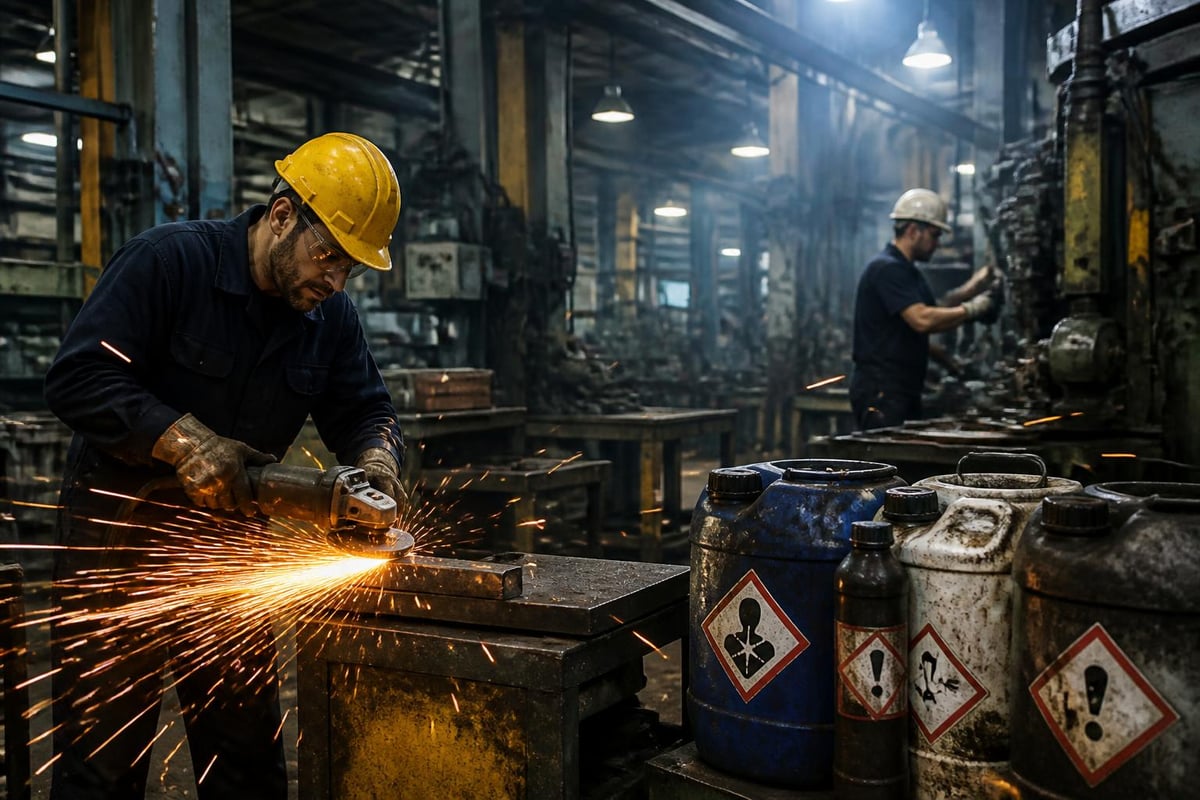
Safety traditionally addresses immediate physical dangers that could cause injury or death through incidents such as falls, equipment failures, or structural collapses. These risks are often visible, measurable, and relatively straightforward to control through engineering solutions, protective equipment, and procedural safeguards.
Health considerations, conversely, involve exposure to substances, conditions, or practices that may not cause immediate harm but lead to chronic illness over time. Examples include:
Respiratory conditions from dust or fume inhalation
Musculoskeletal disorders from repetitive tasks or poor ergonomics
Hearing loss from prolonged noise exposure
Dermatological issues from chemical contact
Stress-related conditions from work organisation factors
The integration of health in safety requires organisations to assess both categories simultaneously, recognising that many workplace hazards present both immediate and long-term risks. The Health and Safety Executive provides comprehensive guidance on managing these interconnected concerns across various industrial sectors.
The Regulatory Landscape in 2026
The United Kingdom's regulatory framework for health in safety continues to evolve, with enforcement agencies placing increased emphasis on proactive risk management rather than reactive compliance. Current legislation demands that employers systematically identify hazards, evaluate risks, and implement controls that protect workers from both injury and ill health.
Key regulatory instruments include the Health and Safety at Work Act 1974, which establishes general duties for employers, and specific regulations such as COSHH (Control of Substances Hazardous to Health), Manual Handling Operations Regulations, and Noise at Work Regulations. These create legally binding obligations to assess and control health risks.
For engineering environments, statutory inspection requirements under LOLER, PUWER, and PSSR add another layer of protection. These regulations mandate periodic examinations of equipment to ensure ongoing safety and prevent deterioration that could lead to accidents or exposure incidents.
Hazard Identification and Risk Assessment
Effective health in safety management begins with comprehensive hazard identification. Unlike safety hazards that often announce themselves through obvious danger, health hazards may remain hidden until proper assessment techniques reveal their presence.
Systematic Hazard Recognition Methods
Organisations must employ multiple strategies to identify health hazards comprehensively. Walk-through inspections by competent persons provide initial identification, whilst employee consultation reveals hazards that may not be immediately obvious to managers. Monitoring data from air quality testing, noise measurements, and biological sampling can identify invisible risks.
Assessment Method | Health Hazards Identified | Frequency Required |
|---|---|---|
Workplace inspections | Physical agents, ergonomic risks | Monthly/Quarterly |
Air monitoring | Dust, fumes, vapours, gases | Annually or as needed |
Noise surveys | Hearing damage risks | Every 2-3 years |
Employee health surveillance | Early signs of work-related illness | Ongoing |
Incident analysis | Root causes of near-misses | After each event |
Resources from NIOSH on occupational risk assessment demonstrate proven methodologies for evaluating both the likelihood and severity of health impacts. These approaches help organisations prioritise interventions based on actual risk levels rather than assumptions.
Quantifying Health Risks in Engineering Settings
Engineering workplaces present unique challenges for health in safety assessment due to the complexity of processes and variety of potential exposures. Quantitative risk assessment involves measuring exposure levels and comparing them against workplace exposure limits (WELs) established for specific substances.
For example, when assessing the health risks from welding operations, organisations must measure metal fume concentrations, evaluate ventilation effectiveness, and determine worker exposure duration. This data informs decisions about local exhaust ventilation requirements, respiratory protection needs, and work rotation schedules.
The hierarchy of control remains the foundation for managing identified risks. Elimination of hazardous substances or processes provides the most effective protection, followed by substitution with less harmful alternatives, engineering controls, administrative measures, and finally personal protective equipment as a last line of defence.
Engineering Controls and Health Protection Systems
Engineering controls represent the most reliable method for protecting worker health because they remove or reduce hazards without relying on individual behaviour. These solutions physically separate workers from health risks or eliminate the hazard entirely.
Ventilation and Air Quality Management
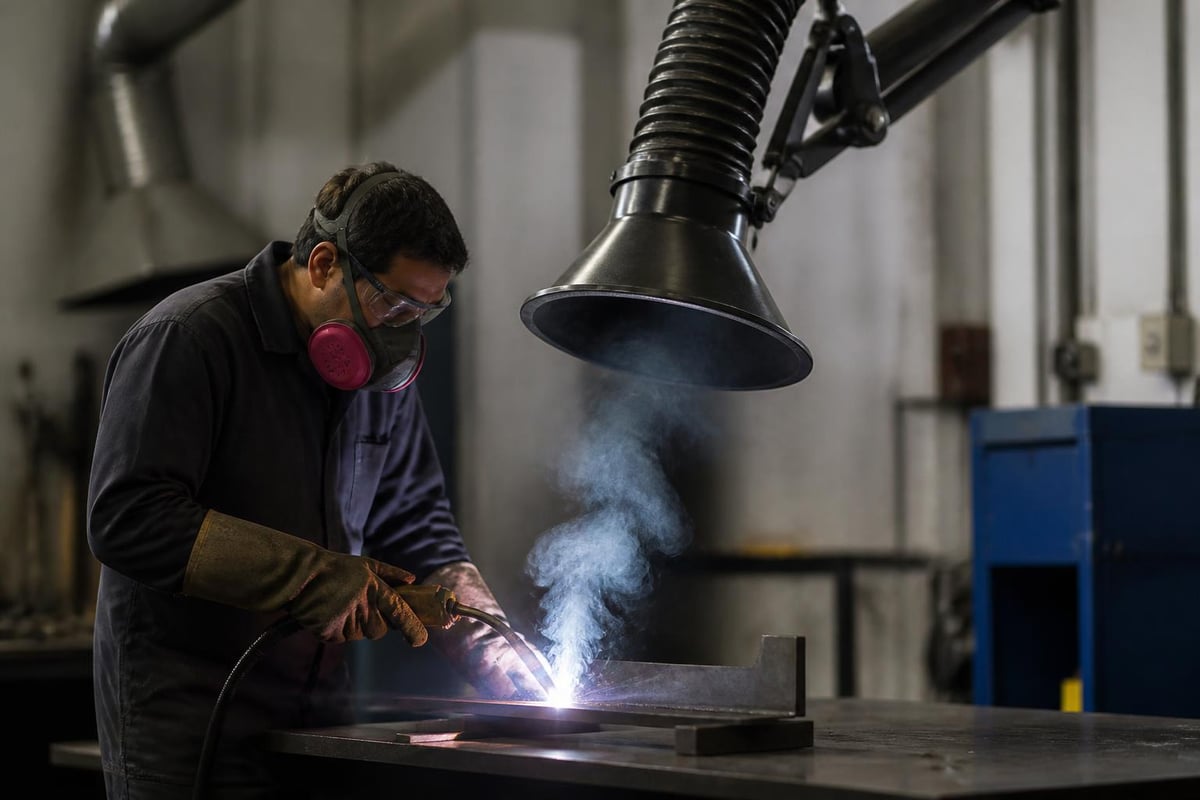
Local exhaust ventilation (LEV) systems serve as critical engineering controls for health in safety by capturing contaminants at their source before workers can inhale them. Properly designed LEV prevents harmful substances from entering the breathing zone, protecting against respiratory diseases and systemic poisoning.
COSHH and LEV inspections verify that these systems continue performing effectively over time. Regular testing ensures adequate capture velocities, proper airflow patterns, and sufficient extraction rates to maintain exposure levels below harmful thresholds. Without periodic examination, filters clog, ductwork deteriorates, and fan performance degrades, compromising health protection.
Equipment Design and Maintenance for Health Protection
The design and condition of workplace equipment directly impacts health outcomes. Machinery that generates excessive noise, vibration, or emissions creates health risks that multiply with prolonged exposure. Modern equipment specifications increasingly incorporate health considerations alongside safety features.
Maintenance programmes play a crucial role in health in safety by ensuring equipment continues operating within design parameters. Worn bearings increase vibration and noise levels, degraded seals allow harmful substance leakage, and failing controls may permit unsafe operating conditions. Systematic preventive maintenance identifies deterioration before it creates health hazards.
For organisations working with partners such as ZALIG Consulting Ltd on construction projects, integrating health considerations into the design and commissioning phases ensures that facilities protect worker health from day one. This proactive approach proves more cost-effective than retrofitting controls after problems emerge.
Health Surveillance and Monitoring Programmes
Health surveillance represents a critical component of health in safety management, providing early detection of work-related illness before significant harm occurs. These programmes monitor worker health over time, identifying trends that may indicate inadequate controls.
Implementing Effective Health Monitoring
Health surveillance programmes vary based on the specific risks present. For workers exposed to respiratory hazards, lung function testing establishes baseline values and tracks changes over time. Those working with vibrating tools undergo vascular and neurological assessments to detect early signs of hand-arm vibration syndrome.
Effective programmes include:
Pre-placement assessments to establish baseline health status
Periodic health checks at intervals appropriate to the risk level
Systematic record-keeping to track individual and group trends
Defined action levels triggering intervention when results indicate problems
Feedback mechanisms to inform risk assessments and control improvements
Results from health surveillance should feed directly into risk management decisions. If multiple workers show early signs of occupational illness despite existing controls, this indicates that additional measures are necessary.
Biological and Environmental Monitoring Integration
Biological monitoring measures the actual uptake of harmful substances by testing blood, urine, or breath samples for specific markers. This approach provides direct evidence of exposure effectiveness, complementing environmental monitoring that measures airborne or surface contamination levels.
When integrated, these monitoring strategies offer comprehensive insight into health in safety performance. Environmental measurements confirm that engineering controls function correctly, whilst biological monitoring validates that exposure remains below harmful thresholds. Information on workplace hazards helps organisations design monitoring programmes appropriate to their specific circumstances.
Training and Competence in Health Protection
Workers cannot protect themselves from health hazards they do not understand. Comprehensive training ensures that employees recognise risks, understand control measures, and use protective equipment correctly.
Building Health Awareness Across the Workforce
Health in safety training must go beyond basic safety induction to develop genuine understanding of how workplace exposures affect health. Workers need to comprehend the difference between acute and chronic health effects, recognise early warning signs of work-related illness, and understand their rights regarding health protection.
Training programmes should address:
Specific health hazards present in their work area
How exposure occurs and routes of entry into the body
Short-term and long-term health effects
Control measures in place and their proper use
Maintenance and inspection requirements for protective systems
Reporting procedures for control failures or health concerns
Visual aids, demonstrations, and practical exercises prove more effective than lecture-based approaches. Workers who understand why controls exist are more likely to use them consistently.
Developing Management Competence
Supervisors and managers require enhanced competence to fulfil their health in safety responsibilities. They must conduct risk assessments, select appropriate controls, organise health surveillance, and interpret monitoring data. Managing health and safety effectively demands specific knowledge and skills that extend beyond general management capabilities.
Organisations should invest in formal training for those with health and safety responsibilities, ensuring they understand both the technical aspects of hazard control and their legal obligations. This investment pays dividends through more effective risk management and reduced incidence of work-related ill health.

Workplace Inspection and Statutory Compliance
Systematic workplace inspections serve dual purposes in health in safety management. They verify compliance with legal requirements whilst also identifying emerging risks before they cause harm. Regular examinations of equipment, systems, and work practices maintain protective standards.
Inspection Frequency and Scope Considerations
Different workplace elements require inspection at varying intervals based on risk levels, deterioration rates, and regulatory requirements. Inspection frequency guidelines help organisations develop appropriate schedules that balance thoroughness with resource efficiency.
High-risk equipment and systems demand more frequent examination. Pressure systems operating at elevated temperatures or containing aggressive media may require quarterly inspections, whilst stable systems in benign service might need annual examination. The inspection scope must address all health-related aspects, not solely immediate safety concerns.
Integrating Health Considerations into Equipment Inspections
Statutory inspections under regulations like LOLER and PUWER traditionally focus on preventing sudden equipment failure that could cause injury. However, these examinations also present opportunities to assess health protection effectiveness. Inspectors should evaluate whether equipment generates excessive noise, vibration, or emissions that could harm worker health over time.
For example, during lifting equipment inspections, competent persons should assess whether hydraulic systems leak oil that could cause dermatitis, whether power units generate excessive noise requiring hearing protection, or whether manual handling during setup creates ergonomic risks. This integrated approach maximises the value of statutory examinations.
Measuring Health in Safety Performance
Organisations cannot improve what they do not measure. Effective health in safety management requires metrics that provide insight into both current performance and emerging trends.
Lagging and Leading Indicators
Lagging indicators measure harm that has already occurred, such as injury rates, occupational illness cases, and lost-time incidents. Whilst these metrics prove valuable for understanding past performance, they offer limited predictive power.
Leading indicators, conversely, measure activities and conditions that prevent harm. These include:
Percentage of workers completing required health surveillance
Inspection completion rates and findings closure timelines
Training compliance levels across different worker categories
Proportion of high-risk activities covered by current risk assessments
Results from environmental monitoring compared to control standards
A balanced scorecard approach uses both indicator types to provide comprehensive performance visibility. General safety and health references from OSHA offer frameworks for developing meaningful metrics appropriate to specific industry contexts.
Benchmarking and Continuous Improvement
Comparing health in safety performance against industry standards and peer organisations identifies improvement opportunities. Benchmarking reveals whether current performance represents best practice or indicates room for enhancement.
Participating in industry safety groups, attending professional forums, and reviewing published research keeps organisations informed about emerging best practices. Continuous improvement cycles incorporate lessons learned from incidents, near-misses, audit findings, and monitoring data into updated risk assessments and controls.
Occupational Health Partnerships and External Support
Few organisations possess all the expertise needed to manage complex health in safety challenges internally. Strategic partnerships with occupational health providers, engineering consultants, and specialist advisors enhance capability.
When to Engage Occupational Health Professionals
Occupational health physicians and nurses provide expertise in work-related illness diagnosis, health surveillance programme design, and fitness-for-work assessments. Their involvement proves particularly valuable when:
Designing health surveillance for complex exposure scenarios
Investigating clusters of work-related illness
Managing return-to-work after significant health events
Conducting workplace health promotion initiatives
Providing independent medical opinions on work capability
These professionals bridge clinical medicine and workplace risk management, offering insights that neither discipline provides alone. Their recommendations should inform control strategies and work organisation decisions.
Leveraging Inspection Service Expertise
Independent inspection companies bring specialist knowledge of statutory requirements and industry best practices. Workplace inspection services provide thorough examinations that identify deterioration, non-compliance, and improvement opportunities across equipment and systems.
Beyond meeting legal obligations, professional inspectors offer valuable consultation on equipment maintenance strategies, control system optimisation, and risk reduction approaches. Their broad exposure to various workplaces provides perspective on what works effectively across different operational contexts.
Emerging Health Challenges in Modern Workplaces
The nature of workplace health risks continues evolving as industries adopt new technologies, materials, and work practices. Organisations must remain vigilant for emerging hazards that traditional risk assessments may not capture.
Nanomaterials and Advanced Manufacturing
Engineered nanomaterials increasingly appear in manufacturing processes, offering enhanced material properties but presenting poorly understood health risks. These particles' small size allows deep lung penetration and potential systemic distribution, with long-term effects still being researched.
Organisations working with nanomaterials must apply precautionary principles, implementing stringent controls despite incomplete toxicological data. This includes enclosed processes, high-efficiency ventilation, rigorous housekeeping to prevent accumulation, and comprehensive exposure monitoring programmes.
Psychosocial Factors and Mental Health
Recognition that health in safety extends beyond physical wellbeing has grown substantially. Work-related stress, excessive demands, poor support systems, and organisational change all impact mental health. The 2026 regulatory environment increasingly expects employers to assess and manage psychosocial risks systematically.
Addressing mental health requires different approaches than traditional occupational health management. Risk assessments must consider workload, control, support, relationships, role clarity, and organisational change. Interventions focus on work design, management practices, and support systems rather than engineering controls or protective equipment.
Documentation and Record-Keeping Requirements
Comprehensive documentation underpins effective health in safety management by providing evidence of compliance, supporting trend analysis, and enabling continuous improvement.
Essential Health and Safety Records
Organisations must maintain records demonstrating that they have identified hazards, assessed risks, implemented controls, and monitored effectiveness. Key documentation includes:
Document Type | Content | Retention Period |
|---|---|---|
Risk assessments | Hazards, risks, controls, review dates | Until superseded + 3 years |
Health surveillance records | Individual test results, trends | 40 years minimum |
Exposure monitoring data | Environmental measurements, sampling methods | 5 years minimum |
Training records | Who trained, what covered, when, by whom | Duration of employment + 3 years |
Inspection reports | Equipment condition, defects, actions | Life of equipment + 2 years |
Incident investigations | What happened, causes, corrective actions | 3 years minimum |
Health and safety regulations specify minimum retention periods for certain records, but many organisations retain documentation longer to support long-latency illness claims or continuous improvement initiatives.
Leveraging Records for Improvement
Documentation should serve as a learning tool, not merely an administrative burden. Regular review of incident patterns, monitoring trends, and surveillance results identifies systemic issues requiring attention. Records from compliance inspections provide valuable input to management review processes, highlighting recurring themes and improvement priorities.
Digital record-keeping systems facilitate analysis by enabling trend identification, automatic alerts for upcoming actions, and easy retrieval during audits or investigations. However, the quality of data entry determines system effectiveness, requiring clear procedures and accountability.
Creating a Positive Health in Safety Culture
Technical controls and management systems provide necessary foundations for health in safety, but organisational culture determines whether these measures achieve their full potential. A positive culture treats health protection as a core value rather than a compliance obligation.
Leadership Commitment and Visibility
Senior management commitment to health in safety must extend beyond policy statements to active involvement in risk assessment, inspection participation, and resource allocation. Visible leadership demonstrates that health protection matters as much as production, quality, or cost control.
Effective leaders:
Participate in workplace inspections and safety conversations
Review health and safety performance in board meetings
Allocate resources to control improvements without requiring incident justification
Recognise and reward health-protective behaviours
Hold managers accountable for health and safety performance
This commitment cascades through the organisation, shaping attitudes and behaviours at every level. When workers observe managers prioritising health protection, they understand that using controls and following procedures represents expected practice, not optional behaviour.
Worker Engagement and Consultation
Workers possess intimate knowledge of their tasks, making their input invaluable to effective health in safety management. Consultation mechanisms should enable workers to raise concerns, suggest improvements, and participate in risk assessment development.
Safety committees, regular toolbox talks, and incident investigation involvement provide structured engagement opportunities. However, informal channels matter equally. Supervisors who listen to health concerns and act on them build trust that encourages ongoing communication.
Authoritative recommendations on workplace safety consistently emphasise participatory approaches that involve workers in identifying solutions. This engagement improves control effectiveness whilst building ownership and commitment to health protection.
Protecting worker health whilst maintaining safety standards requires integrated thinking, systematic management, and unwavering commitment. By addressing both immediate risks and long-term health impacts, organisations create workplaces where people can work productively without sacrificing their wellbeing. For businesses seeking expert support in maintaining statutory compliance and managing workplace risks effectively, Workplace Inspection Services Ltd provides comprehensive inspection services under LOLER, PUWER, PSSR and COSHH/LEV regulations throughout the United Kingdom.