Health and Safety at Work: A Complete Guide for 2026
Health and Safety at Work: A Complete Guide for 2026

Creating a safe working environment is not simply a legal requirement but a fundamental responsibility that affects every aspect of business operations. Health and safety at work encompasses the policies, procedures, and practices organisations implement to protect employees from harm whilst carrying out their duties. In 2026, businesses face an evolving landscape of regulations, technological advancements, and heightened expectations around workplace wellbeing. Understanding the full scope of health and safety obligations helps organisations build resilient operations, reduce liability, and foster a culture where employees can perform their roles without unnecessary risk.
The Legal Framework Governing Workplace Safety
The Health and Safety at Work etc. Act 1974 remains the cornerstone of British workplace safety legislation, establishing the fundamental duty of care employers owe to their workforce. This Act requires employers to ensure, so far as reasonably practicable, the health, safety, and welfare of all employees.
Beyond this primary legislation, numerous specific regulations address particular hazards and equipment types. These include requirements for lifting operations, pressure systems, machinery safety, and hazardous substance control. Each regulation creates detailed obligations for inspection, maintenance, training, and record-keeping.

Enforcement and Regulatory Bodies
The Health and Safety Executive serves as the primary enforcement authority, conducting inspections, investigating incidents, and prosecuting serious breaches. HSE inspectors possess wide-ranging powers to enter premises, examine equipment, interview employees, and issue enforcement notices.
Local authorities share enforcement responsibilities for certain sectors, particularly retail, offices, and leisure facilities. The division of responsibility depends on the principal business activity, creating a comprehensive regulatory oversight system across all industries.
Penalties for non-compliance have increased substantially in recent years. Courts now impose significant fines based on organisational turnover and culpability, with the most serious cases resulting in custodial sentences for directors and managers. Understanding inspection regulations helps businesses maintain compliance and avoid enforcement action.
Risk Assessment as the Foundation of Safety Management
Every workplace requires systematic risk assessment to identify hazards and implement appropriate controls. The process involves five key steps that form the basis of effective safety management:
Identify hazards - Recognise anything with potential to cause harm
Determine who might be harmed - Consider employees, contractors, visitors, and the public
Evaluate risks and implement controls - Assess severity and likelihood, then introduce preventive measures
Record findings - Document significant hazards and control measures
Review and update - Regularly revisit assessments when circumstances change
Risk assessments must be suitable and sufficient, meaning they adequately address the actual risks present in the specific workplace. Generic assessments rarely meet this standard. Organisations should develop bespoke evaluations reflecting their unique operations, equipment, and working practices.
Common Workplace Hazards Across Industries
Different sectors face distinct safety challenges, though certain hazards appear universally:
Hazard Category | Examples | Typical Control Measures |
|---|---|---|
Mechanical | Moving machinery, entanglement points, ejected materials | Guarding, isolation procedures, PPE |
Physical | Noise, vibration, temperature extremes | Engineering controls, exposure monitoring, health surveillance |
Chemical | Toxic substances, flammable materials, corrosives | Substitution, containment, ventilation, training |
Biological | Bacteria, viruses, fungi | Hygiene protocols, vaccination, waste management |
Ergonomic | Manual handling, repetitive movements, poor posture | Task redesign, mechanical aids, workstation assessment |
Psychosocial | Stress, violence, lone working | Risk assessment, support systems, communication protocols |
Engineering and manufacturing environments typically present significant mechanical and chemical hazards requiring specialist knowledge and regular inspection. The OSHA general references database provides extensive guidance on managing these complex risks.
Statutory Inspection Requirements for Engineering Equipment
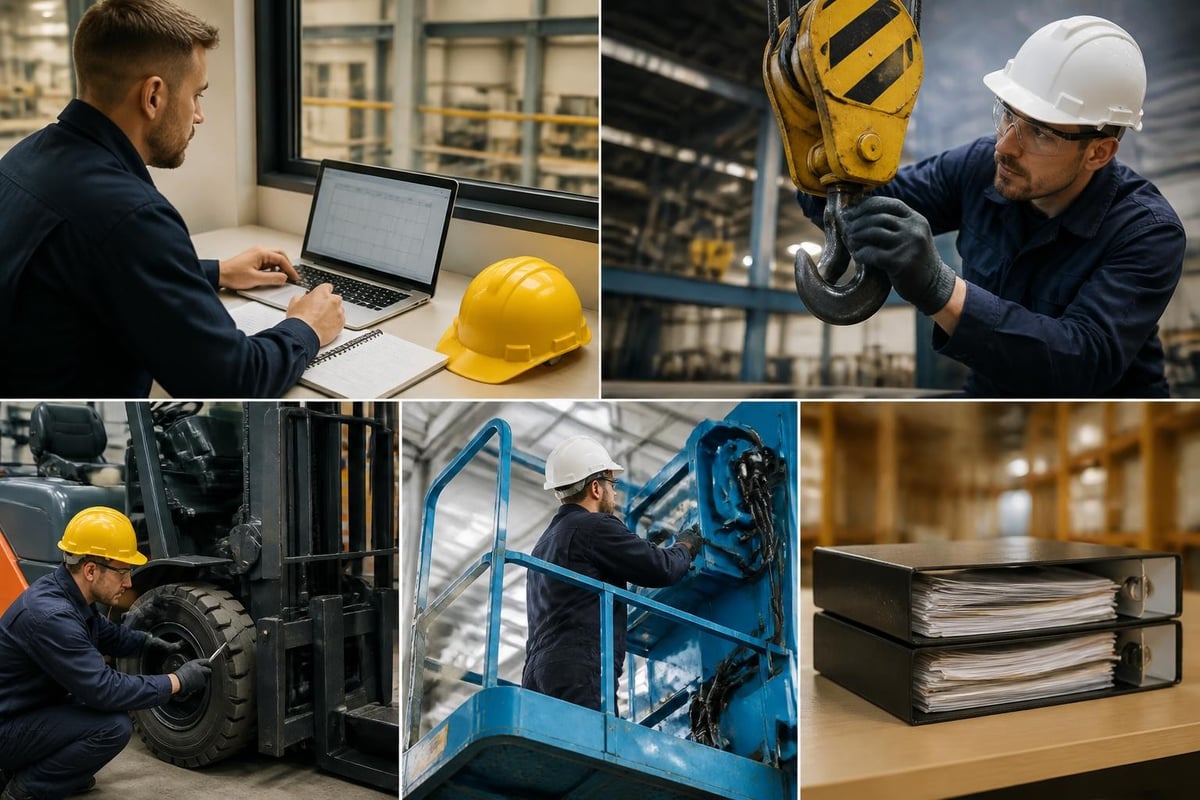
Health and safety at work in engineering contexts demands rigorous attention to equipment inspection and maintenance. Various regulations mandate thorough examinations by competent persons at specified intervals.
The Lifting Operations and Lifting Equipment Regulations 1998 (LOLER) require comprehensive inspection of all lifting equipment, including cranes, hoists, lifting accessories, and passenger lifts. These examinations verify structural integrity, confirm safe operation, and identify deterioration before it creates dangerous conditions.
Similarly, the Pressure Systems Safety Regulations 2000 (PSSR) establish requirements for pressure vessels, air receivers, steam systems, and associated pipework. The Provision and Use of Work Equipment Regulations 1998 (PUWER) apply to virtually all workplace equipment, from hand tools to complex manufacturing machinery.
Selecting Competent Inspection Providers
Competence represents a critical concept throughout health and safety legislation. For statutory inspections, this means possessing appropriate qualifications, training, and experience to assess equipment properly and identify defects.
Independent inspection companies offer several advantages over in-house arrangements:
Impartiality and objectivity in assessment
Specialist technical knowledge across equipment types
Up-to-date understanding of regulatory changes
Professional indemnity insurance coverage
Systematic record-keeping and certification
When organisations require LOLER inspections, selecting providers with proven expertise in the specific equipment types ensures thorough examination and accurate reporting. This approach reduces the risk of overlooked defects and demonstrates due diligence in meeting legal obligations.
Creating an Effective Safety Culture
Compliance represents the minimum standard, yet organisations achieving excellence in health and safety at work typically exceed basic legal requirements. This commitment begins with leadership demonstrating visible support for safety initiatives and continues through every level of the organisation.
Key characteristics of strong safety cultures include:
Leadership commitment demonstrated through resource allocation and personal involvement
Employee participation in hazard identification and solution development
Clear communication channels for reporting concerns without fear of reprisal
Systematic investigation of incidents, near misses, and potential problems
Continuous improvement based on data analysis and lessons learned
Recognition and reward for positive safety behaviours
Workers on the ground often possess the most detailed understanding of operational risks. Mechanisms that capture this knowledge and translate it into practical improvements create significant value. Safety committees, suggestion schemes, and regular toolbox talks facilitate this dialogue.
Training and Competency Development
Every employee requires appropriate instruction, information, and training to work safely. This extends beyond initial induction to include ongoing development as roles change, new equipment arrives, or procedures are updated.
Training programmes should address both general workplace hazards and role-specific risks. For instance, machinery operators need detailed instruction on the equipment they use, whilst managers require broader knowledge of their supervisory responsibilities and legal duties.
Documentation proves essential. Training records demonstrate compliance during regulatory inspections and provide evidence of reasonable steps to protect employees. These records should specify what training was provided, when it occurred, who delivered it, and how competency was verified.
Managing Hazardous Substances and Atmospheric Contaminants
Many workplaces use or generate substances harmful to health, from welding fumes to wood dust, chemical solvents to biological agents. The Control of Substances Hazardous to Health Regulations 2002 (COSHH) establish a framework for managing these risks.
The hierarchy of control provides a structured approach to hazardous substance management:
Elimination - Remove the hazardous substance entirely
Substitution - Replace with a less hazardous alternative
Engineering controls - Contain or extract the substance (e.g., local exhaust ventilation)
Administrative controls - Limit exposure through procedures and rotation
Personal protective equipment - Provide suitable PPE as a last resort
Local exhaust ventilation (LEV) systems capture contaminants at source before they enter the breathing zone. These systems require thorough examination and testing at least every 14 months to confirm they continue functioning effectively. The HSE publications on managing health and safety offer detailed guidance on LEV system design and maintenance.
Health Surveillance and Exposure Monitoring
Where significant residual risk remains after implementing controls, health surveillance may be required. This involves systematic monitoring of employees' health to detect early signs of work-related ill health.
Different hazards require different surveillance approaches:
Hazard | Surveillance Method | Frequency |
|---|---|---|
Noise | Audiometry | Annually or as advised |
Vibration | Symptom questionnaire, clinical examination | Periodically based on exposure |
Respiratory sensitisers | Questionnaire, lung function tests | Before exposure, periodically thereafter |
Solvents | Clinical examination, biological monitoring | Based on exposure level |
Exposure monitoring complements health surveillance by measuring airborne contaminant concentrations. This data confirms whether engineering controls perform adequately and helps prioritise improvement efforts.
Incident Investigation and Continuous Improvement
Even well-managed workplaces experience occasional incidents. The response to these events significantly influences future safety performance. Effective investigation identifies root causes rather than simply allocating blame, enabling organisations to implement preventive measures.
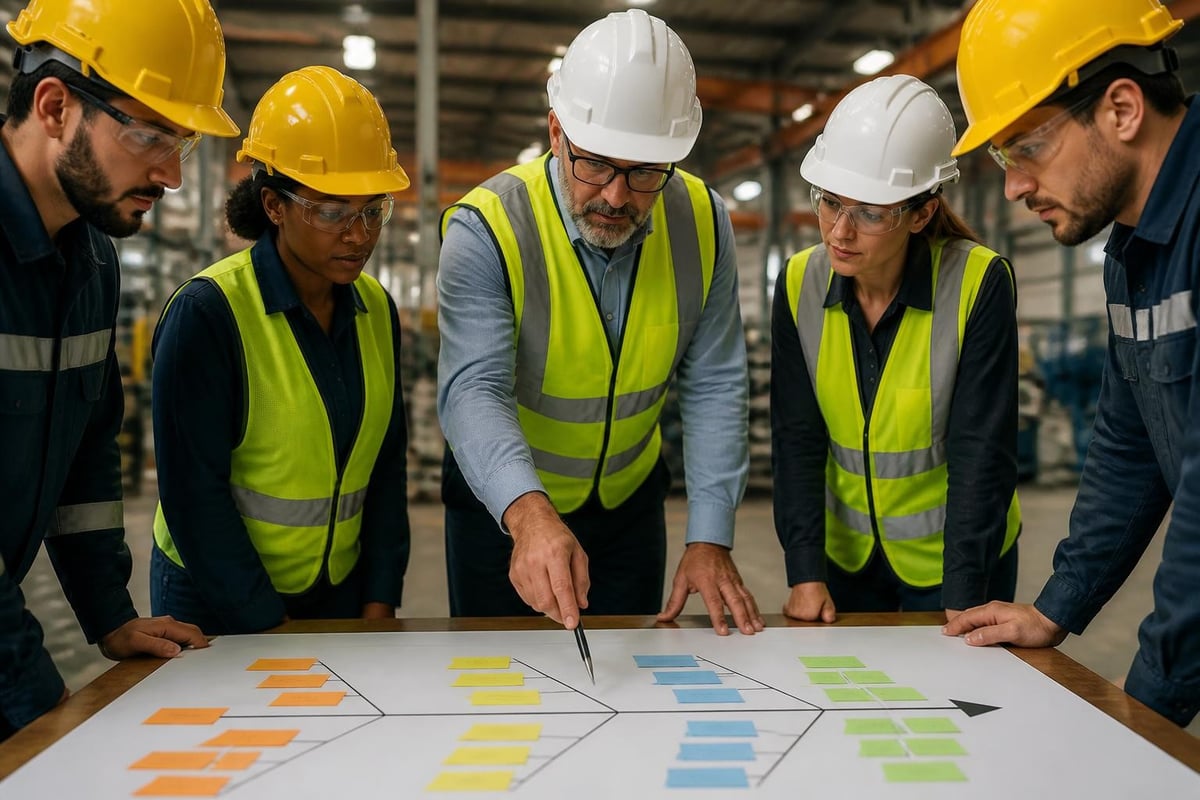
The investigation process typically includes:
Securing the scene and preserving evidence
Gathering witness accounts whilst memories remain fresh
Examining physical evidence and documentation
Analysing findings to identify causal factors
Developing recommendations addressing root causes
Implementing corrective actions and verifying effectiveness
Communicating lessons learned throughout the organisation
Near miss reporting provides valuable intelligence about hazards before serious harm occurs. Organisations should actively encourage reporting by making the process simple, responding promptly, and avoiding punitive reactions to honest mistakes. The NIOSH guidance on preventing workplace hazards emphasises proactive hazard identification as essential to injury prevention.
Performance Monitoring and Measurement
What gets measured gets managed. Organisations serious about health and safety at work establish meaningful metrics to track performance and drive improvement. Leading indicators measure proactive activities (inspections completed, training delivered, hazards corrected), whilst lagging indicators record outcomes (injuries, illnesses, lost time).
A balanced scorecard approach provides the most comprehensive view. Tracking both activity levels and results helps organisations understand whether their safety management system functions effectively or requires adjustment.
The Business Case for Robust Safety Management
Beyond moral and legal imperatives, compelling business reasons support investment in health and safety at work. The direct costs of workplace incidents include regulatory fines, compensation claims, and increased insurance premiums. Indirect costs often exceed these visible expenses.
Hidden costs of poor safety performance include:
Production disruption and delays
Equipment damage and replacement
Investigation time and administrative burden
Recruitment and training of replacement staff
Reduced productivity from injured workers on restricted duties
Reputational damage affecting customer relationships
Management time diverted from strategic priorities
Conversely, effective safety management generates tangible returns. Reduced insurance premiums, lower staff turnover, improved morale, and enhanced reputation create measurable value. Many organisations find that safety improvements simultaneously increase productivity by eliminating waste, streamlining processes, and reducing rework.
Customers increasingly expect suppliers to demonstrate robust safety management. Major contractors often require evidence of safety systems before awarding contracts. Industry certifications such as ISO 45001 provide third-party verification of occupational health and safety management capability, opening access to new markets.
Emerging Challenges and Future Trends
The workplace safety landscape continues evolving as technology advances and working patterns shift. Remote and hybrid working arrangements present new considerations for risk assessment and duty of care. Employers must address display screen equipment, lone working risks, and mental health support for dispersed teams.
Automation and robotics introduce both opportunities and challenges. Whilst removing workers from hazardous tasks reduces certain risks, new hazards emerge around human-robot interaction, programming errors, and maintenance activities. Safety compliance requirements must adapt to these technological changes.
Mental health has gained recognition as a legitimate workplace health concern. Stress, anxiety, and burnout affect employee wellbeing and performance. Progressive organisations address psychosocial hazards with the same systematic approach applied to physical risks, implementing controls and providing support resources.
Climate change creates emerging risks through extreme weather events, temperature stress, and supply chain disruption. Forward-thinking safety professionals incorporate climate resilience into their planning, ensuring operations can continue safely under changing environmental conditions.
Regulatory Developments on the Horizon
Regulatory frameworks rarely remain static. The UK continues reviewing and updating workplace safety regulations to reflect current understanding of risks and evolving working practices. Organisations should monitor HSE updates to stay informed about proposed changes and implementation timelines.
Brexit created opportunities to diverge from EU standards, though significant changes have been limited to date. Most organisations continue following established practices whilst watching for substantive regulatory reform. Maintaining awareness of both UK and international developments helps anticipate future requirements.
The integration of digital technologies into compliance management offers potential for improved efficiency. Electronic permit systems, mobile inspection tools, and data analytics platforms enable more sophisticated approaches to risk management. However, technology should enhance rather than replace the fundamental principles of hazard identification and control.
Developing Competent Internal Capabilities
Whilst specialist external support proves valuable for technical inspections and expert advice, organisations benefit from building internal health and safety competency. Designating specific individuals with safety responsibilities creates accountability and ensures day-to-day oversight.
The level of internal resource required varies based on organisational size, complexity, and risk profile. Small businesses may designate an existing manager to coordinate safety efforts part-time, whilst larger operations often employ dedicated safety professionals. Some organisations appoint safety engineers with technical qualifications to manage complex engineering hazards.
Core competencies for safety coordinators include:
Understanding of relevant legislation and approved codes of practice
Risk assessment methodology and practical application
Incident investigation techniques
Effective communication and influencing skills
Project management for implementing improvements
Knowledge of industry-specific hazards and controls
Professional qualifications from bodies such as IOSH (Institution of Occupational Safety and Health) or NEBOSH (National Examination Board in Occupational Safety and Health) provide structured learning pathways and recognised credentials. These programmes cover fundamental principles whilst allowing specialisation in particular sectors or hazard types.
Integrating Safety with Operational Excellence
The most successful organisations avoid treating health and safety at work as separate from core business activities. Instead, they integrate safety considerations into strategic planning, operational procedures, and performance management systems. This approach recognises that safety and productivity support rather than conflict with each other.
Manufacturing organisations following lean principles naturally align with safety objectives. Eliminating waste reduces exposure to hazards, whilst standardised work procedures promote consistency and reduce errors. The 5S methodology (Sort, Set in Order, Shine, Standardise, Sustain) creates organised workplaces where hazards are more visible and risks more easily controlled.
Design-stage consideration of safety requirements proves far more effective than retrofitting controls later. Whether planning new facilities, purchasing equipment, or developing processes, incorporating safety requirements from the outset typically costs less and delivers better outcomes than subsequent modifications.
Procurement decisions significantly influence safety performance. Equipment selection should consider not only purchase price but also safety features, maintenance requirements, and whole-life costs. Robust specifications ensure new equipment arrives with appropriate guarding, emergency stops, and user-friendly controls. Understanding mechanical engineering inspection requirements helps inform these purchasing decisions.
Contractor Management and Supply Chain Safety
Many organisations rely extensively on contractors for maintenance, construction, specialist services, and temporary labour. This introduces additional complexity to health and safety management, as multiple parties work within the same environment.
Principal contractors retain overall responsibility for coordinating activities and ensuring contractors work safely. This requires robust systems for:
Pre-qualification to verify contractor competency
Induction covering site-specific hazards and rules
Method statement approval before work begins
Monitoring to ensure safe working practices
Incident reporting and investigation
Performance review and continuous improvement
Clear communication prevents dangerous assumptions about responsibility. Who provides equipment? Who conducts risk assessments? Who supervises the work? Answering these questions before work begins prevents gaps in control and confusion during operations.
The International Labour Organization's resources on safety and health at work provide global perspectives on managing contractor relationships and supply chain safety, particularly valuable for organisations operating internationally.
Effective health and safety at work requires systematic risk management, regulatory compliance, and organisational commitment to continuous improvement. By implementing robust inspection programmes, developing competent internal capabilities, and fostering positive safety cultures, businesses protect their workforce whilst building resilient operations. Workplace Inspection Services Ltd supports organisations across the UK with expert statutory inspections under LOLER, PUWER, PSSR, and COSHH/LEV regulations, helping maintain compliance and ensure safe working environments. Contact their team today to discuss how professional engineering inspections can strengthen your safety management system.