Safety and Inspection: A Complete Guide for 2026
Safety and Inspection: A Complete Guide for 2026

Safety and inspection programmes form the cornerstone of modern workplace management, protecting employees whilst ensuring organisations meet their legal obligations. As regulatory requirements continue to evolve in 2026, businesses across the UK face increasing scrutiny over their inspection regimes and the measures they implement to safeguard their workforce. The integration of thorough inspection protocols with comprehensive safety management systems has become essential for organisations seeking to minimise risk, avoid costly penalties and maintain operational continuity.
Understanding the Critical Link Between Safety and Inspection
The relationship between safety and inspection extends far beyond simple compliance exercises. When properly implemented, inspection programmes serve as early warning systems that identify potential hazards before they escalate into serious incidents. This proactive approach has transformed how organisations manage workplace risk, shifting focus from reactive responses to preventative strategies.
Modern safety and inspection methodologies incorporate systematic evaluation of equipment, processes and working environments. These assessments provide documented evidence of an organisation's commitment to employee welfare whilst creating a framework for continuous improvement. The CDC's NIOSH programme demonstrates how evidence-based recommendations can significantly reduce occupational injuries when integrated with regular inspection protocols.

The Regulatory Landscape in 2026
UK workplace safety legislation mandates specific inspection requirements across numerous categories of equipment and systems. Understanding these obligations represents a fundamental responsibility for duty holders who must ensure their operations remain compliant with current standards.
Key regulatory frameworks include:
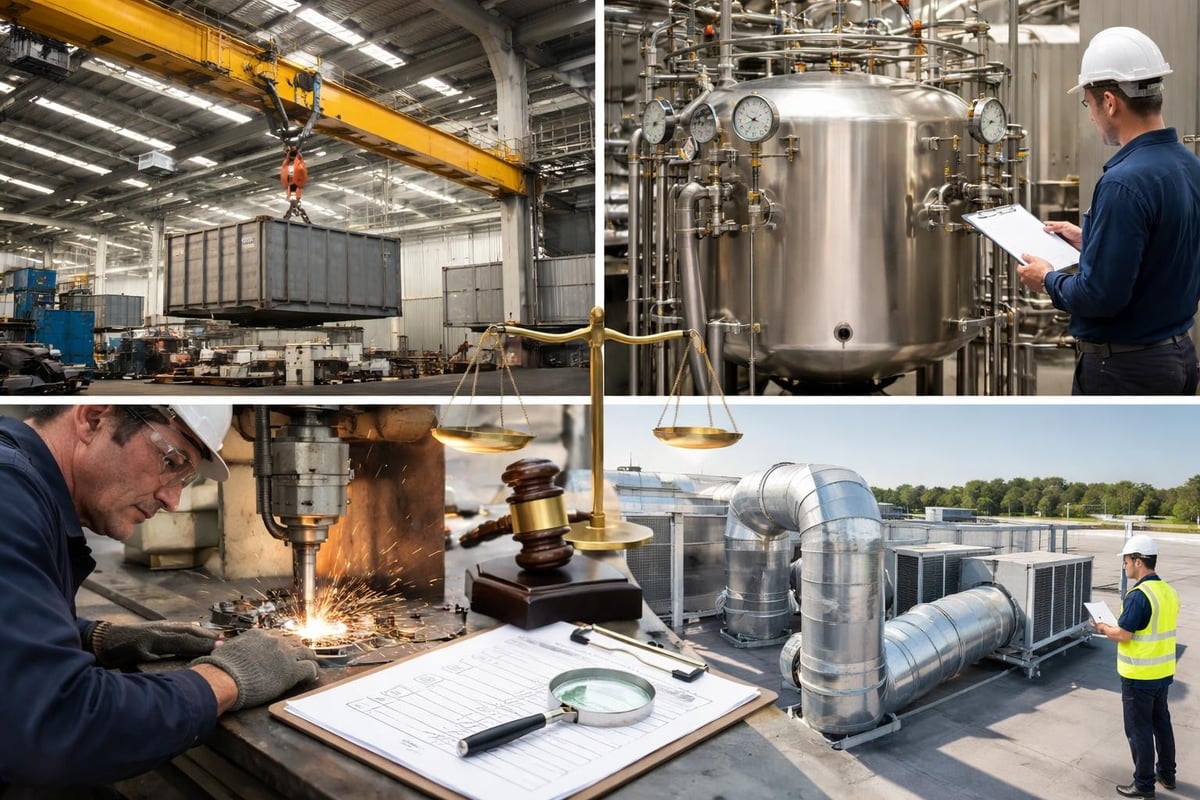
LOLER (Lifting Operations and Lifting Equipment Regulations 1998)
PUWER (Provision and Use of Work Equipment Regulations 1998)
PSSR (Pressure Systems Safety Regulations 2000)
COSHH (Control of Substances Hazardous to Health Regulations)
Each regulation prescribes specific inspection frequencies, competency requirements for inspectors and documentation standards that organisations must satisfy. The HSE's enforcement approach has become increasingly sophisticated, with inspectors now focusing on the quality and effectiveness of safety management systems rather than simply checking paperwork exists.
Building an Effective Safety and Inspection Programme
Developing a robust safety and inspection regime requires strategic planning and resource allocation. Organisations must consider their specific operational risks, equipment inventory and workforce competencies when designing their approach. The most successful programmes integrate inspection activities seamlessly into daily operations rather than treating them as isolated compliance exercises.
Establishing Inspection Priorities
Not all equipment and processes carry equal risk. Organisations should conduct thorough risk assessments to determine which assets require more frequent attention and which can follow standard inspection intervals. This prioritisation ensures resources are directed where they deliver maximum safety benefit.
Risk Category | Inspection Frequency | Documentation Level | Competent Person Requirement |
|---|---|---|---|
Critical (high consequence) | Monthly to quarterly | Comprehensive records | Certified inspector |
Significant (moderate impact) | Six months to annually | Standard reports | Trained technician |
Standard (routine equipment) | Annually | Basic checklist | Competent operative |
Organisations operating lifting equipment must understand that LOLER inspections form a statutory requirement, with thorough examinations ensuring cranes, hoists and lifting accessories remain safe for continued use.
Selecting Competent Inspectors
The competence of personnel conducting safety and inspection activities directly influences programme effectiveness. Inspectors require appropriate technical knowledge, practical experience and formal training relevant to the equipment or systems they examine. The OSHA inspection guidance emphasises that inspector qualifications should be proportionate to the complexity and risk associated with the equipment being assessed.
Many organisations choose between maintaining in-house inspection capabilities or engaging specialist external providers. Each approach offers distinct advantages:
In-house inspection teams:
Immediate availability for urgent assessments
Deep familiarity with specific operational contexts
Direct integration with maintenance teams
Ongoing training and competency development costs
External inspection specialists:
Independent verification and objective assessments
Broader technical expertise across equipment types
Reduced liability through third-party certification
Flexible resource allocation without permanent overhead
Implementing Inspection Protocols Across Different Equipment Categories
Safety and inspection requirements vary significantly depending on equipment type and operational context. Organisations must tailor their approaches to address the specific hazards associated with each category whilst maintaining consistency in their overall safety management framework.
Pressure Systems and Vessels
Pressure equipment presents unique risks that demand specialised inspection expertise. The Pressure Systems Safety Regulations require written schemes of examination that define inspection scope, frequency and acceptance criteria for air receivers, steam boilers and associated pipework.
Inspectors examining pressure systems must evaluate:
External condition and evidence of corrosion
Safety device functionality and calibration
Structural integrity through non-destructive testing
Protective systems and pressure relief mechanisms
Operating conditions against design specifications
Documentation accuracy including previous examination records
Machinery and Work Equipment
Manufacturing environments typically contain diverse machinery requiring systematic evaluation under PUWER regulations. These inspections assess whether equipment remains suitable for its intended purpose and incorporates appropriate safeguards to protect operators. Understanding health and safety inspection requirements helps organisations develop comprehensive machinery examination programmes.
Safety and inspection activities for machinery should address:
Guard effectiveness and interlocking systems
Emergency stop functionality and accessibility
Control system reliability and operator interfaces
Mechanical condition including wear and deterioration
Electrical safety and protective bonding
Operator training requirements and competency verification
Documentation and Record-Keeping Standards
Maintaining accurate inspection records serves multiple purposes beyond regulatory compliance. Documentation provides evidence of due diligence, supports maintenance planning and creates historical datasets that reveal performance trends and recurring issues. The standards established by inspection professionals demonstrate how proper documentation enhances inspection programme value.
Essential Record Components
Every safety and inspection report should contain specific information elements that enable stakeholders to understand equipment status and make informed decisions about continued use or necessary remedial actions.
Minimum documentation requirements:
Unique equipment identification and location details
Inspection date, time and environmental conditions
Inspector name, qualifications and certification references
Detailed findings including measurements and observations
Risk assessment of identified defects or concerns
Recommendations with priority ratings and timescales
Approval status for continued operation
Follow-up actions and responsible persons
Digital record systems have largely replaced paper-based documentation in 2026, offering improved accessibility, searchability and integration with maintenance management platforms. These systems enable real-time reporting, automatic compliance tracking and data analytics that identify patterns across equipment populations.
Hazard Identification and Risk Assessment Integration
Effective safety and inspection programmes extend beyond equipment examination to encompass comprehensive hazard identification across the workplace. This broader perspective ensures organisations address all potential risks rather than focusing exclusively on scheduled inspection activities. Wolters Kluwer's guidance on hazard information sources highlights how organisations should gather intelligence from multiple channels to build complete risk profiles.
Systematic Hazard Recognition
Inspectors trained in hazard recognition can identify unsafe conditions that might not fall within specific regulatory inspection requirements but nonetheless pose significant risks. This capability transforms routine inspections into opportunities for broader safety improvement.
Common hazard categories discovered during inspections include:
Environmental factors (lighting, ventilation, temperature extremes)
Ergonomic concerns (repetitive tasks, manual handling, workstation design)
Chemical exposures (storage, handling, ventilation adequacy)
Electrical hazards (damaged cables, inadequate isolation, overloading)
Slip, trip and fall risks (housekeeping, floor conditions, obstructions)
Fire safety deficiencies (blocked exits, storage issues, ignition sources)
Organisations operating local exhaust ventilation systems must ensure regular COSHH and LEV inspections verify these critical controls effectively remove hazardous substances and protect employee health.
Corrective Actions and Follow-Up Procedures
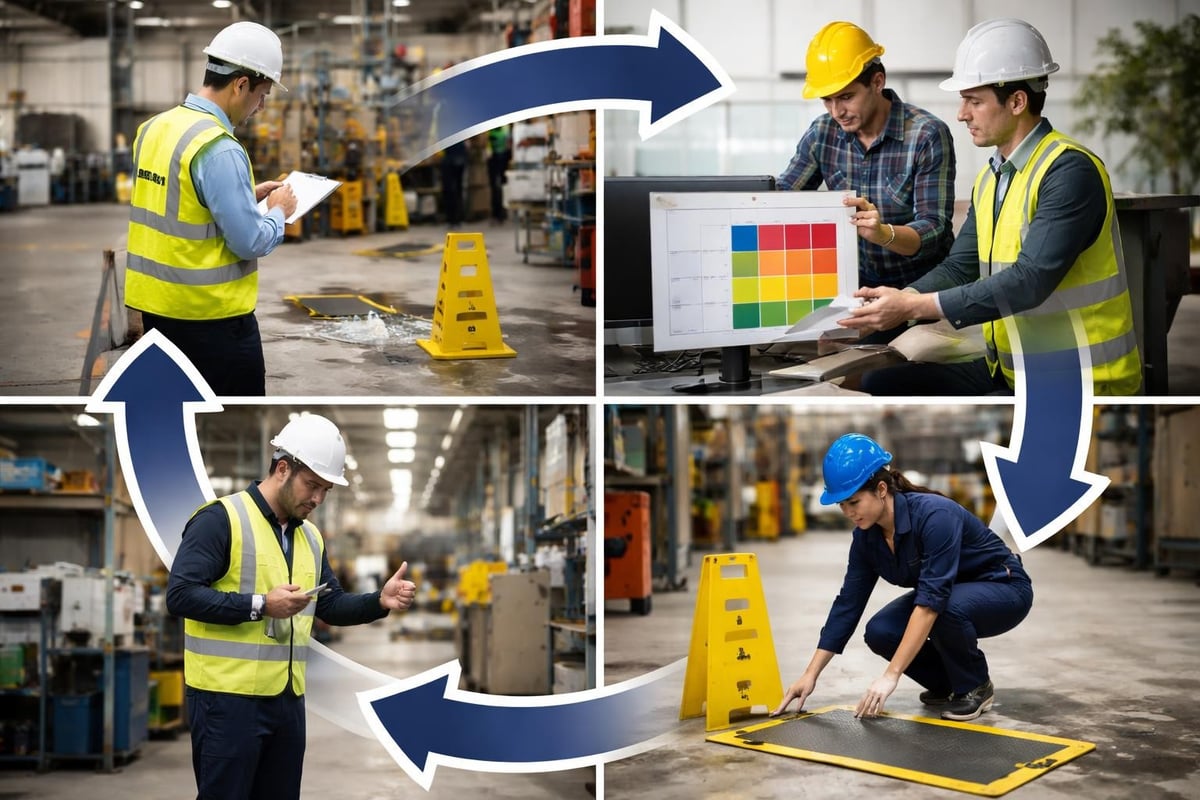
Discovering defects during inspections holds little value unless organisations implement effective corrective measures. The period between identifying safety issues and resolving them represents heightened risk exposure that requires careful management through interim controls and clear accountability structures.
Prioritising Remedial Work
Not all inspection findings carry equal urgency. Safety and inspection protocols should incorporate risk-based prioritisation systems that guide decision-making about repair sequencing and resource allocation. This approach ensures critical safety issues receive immediate attention whilst less significant matters follow planned maintenance schedules.
Priority Level | Response Time | Typical Actions | Equipment Status |
|---|---|---|---|
Immediate (dangerous) | Stop work immediately | Isolate, prohibit use, emergency repair | Out of service |
Urgent (serious risk) | Within 24-48 hours | Temporary controls, schedule repair | Restricted use |
Important (moderate risk) | Within one week | Plan corrective work, monitor | Conditional use |
Routine (minor defect) | Next scheduled maintenance | Include in maintenance programme | Normal operation |
Verification and Closure
After completing corrective actions, organisations must verify that repairs adequately address identified defects and restore equipment to safe operating condition. This verification step closes the inspection loop and provides assurance that safety standards have been maintained. The inspection framework guidance available through specialist providers helps organisations establish robust verification processes.
Training and Competency Development
Maintaining inspection programme effectiveness requires ongoing investment in personnel development. As equipment evolves, regulations change and new hazards emerge, organisations must ensure their inspection teams remain current with best practices and technical requirements. The OSHA general safety references provide valuable resources for developing training programmes that build inspector competency.
Core Competency Areas
Effective safety and inspection personnel demonstrate proficiency across technical, regulatory and interpersonal domains. Organisations should assess competency holistically rather than focusing exclusively on technical knowledge.
Essential competencies include:
Technical expertise - Understanding equipment design, operation and failure modes
Regulatory knowledge - Current awareness of applicable legislation and standards
Risk assessment skills - Ability to evaluate hazard severity and likelihood
Communication ability - Clear reporting and stakeholder engagement
Attention to detail - Systematic approach and thoroughness
Professional judgement - Balancing safety, practicality and operational needs
Technology Integration in Modern Inspection Practices
Technological advancement has transformed safety and inspection methodologies significantly since 2020. Mobile applications, digital reporting platforms and advanced diagnostic equipment now enable inspectors to work more efficiently whilst capturing higher quality data. Research into AI systems for industrial safety evaluations demonstrates how emerging technologies may further enhance inspection capabilities in coming years.
Digital Tools and Applications
Modern inspection programmes leverage technology at multiple touchpoints throughout the inspection lifecycle. These tools reduce administrative burden, improve data quality and enable real-time collaboration between inspectors, managers and maintenance teams.
Common technology applications include:
Mobile inspection applications with offline capability
Barcode and QR code equipment identification systems
Digital photography and video documentation
Thermal imaging and ultrasonic testing equipment
Cloud-based reporting and compliance dashboards
Predictive analytics for maintenance planning
Electronic signature and approval workflows
Data Analytics and Trend Identification
Accumulated inspection data becomes increasingly valuable when organisations apply analytics to identify patterns and trends. This intelligence supports strategic decision-making about equipment replacement, training needs and resource allocation. Platforms like SafetyRecord.org demonstrate how accessible safety data enables benchmarking and informed decision-making across industries.
Multi-Site and Complex Operation Challenges
Organisations operating across multiple locations face additional complexity in maintaining consistent safety and inspection standards. Geographic distribution, varied equipment populations and diverse operational contexts require robust management systems that ensure no site falls below acceptable standards.
Standardisation Versus Local Adaptation
Effective multi-site safety and inspection programmes balance corporate standardisation with necessary local flexibility. Core safety principles and minimum standards should apply universally, whilst implementation details adapt to site-specific requirements and constraints. Understanding workplace safety compliance helps organisations establish this balance appropriately.
Central coordination functions should establish:
Minimum competency standards for all inspectors
Standardised reporting templates and documentation
Consistent risk assessment methodologies
Equipment registers and inspection scheduling systems
Quality assurance and audit programmes
Knowledge sharing and best practice dissemination
Local site management retains responsibility for:
Day-to-day inspection execution and scheduling
Immediate response to identified defects
Site-specific risk assessments and method statements
Contractor management and coordination
Emergency response and incident management
Supply Chain and Contractor Management
Modern workplaces frequently involve contractors and temporary workers who must integrate with existing safety and inspection frameworks. Organisations retain legal duties regardless of employment relationships, requiring robust systems to ensure contractors meet equivalent safety standards.
Contractor Competency Verification
Before engaging contractors for work involving inspected equipment or safety-critical systems, organisations should verify relevant competencies, insurance coverage and compliance records. This due diligence protects both parties and ensures work quality meets required standards.
Verification steps include:
Requesting evidence of relevant certifications and accreditations
Checking insurance coverage (public liability, professional indemnity)
Reviewing safety records and incident history
Confirming understanding of site-specific requirements
Establishing communication protocols and reporting structures
Defining acceptance criteria for completed work
Scheduling quality assurance reviews
Audit and Continuous Improvement
Even well-established safety and inspection programmes require periodic evaluation to ensure they remain effective and aligned with organisational needs. Internal audits, external assessments and management reviews provide opportunities to identify improvement areas and validate that resources are being deployed effectively. Specialist providers like Workplace Inspection Services Ltd often conduct independent reviews that offer objective perspectives on programme effectiveness.
Performance Measurement
Quantifying safety and inspection programme performance enables evidence-based decision-making about resource allocation and strategic priorities. Organisations should establish key performance indicators that reflect both compliance activities and outcome measures.
KPI Category | Example Metrics | Target Setting Approach |
|---|---|---|
Compliance | % inspections completed on schedule | 100% completion within planned windows |
Quality | Defect identification rate per inspection | Benchmark against historical data |
Safety outcomes | Incidents involving inspected equipment | Zero tolerance for preventable incidents |
Efficiency | Average inspection time per equipment type | Continuous improvement year-on-year |
Safety and inspection programmes represent critical investments in workplace protection and operational resilience, requiring systematic approaches that address regulatory obligations whilst supporting broader business objectives. By implementing robust inspection protocols, maintaining competent personnel and leveraging modern technologies, organisations can significantly reduce workplace risks and demonstrate their commitment to employee welfare. Workplace Inspection Services Ltd supports businesses throughout the UK with expert statutory inspections across LOLER, PUWER, PSSR and COSHH/LEV regulations, helping organisations maintain compliance, protect their workforce and achieve peace of mind through independent, professional engineering expertise.