Pressure Equipment: Essential Compliance & Safety Guide
Pressure Equipment: Essential Compliance & Safety Guide
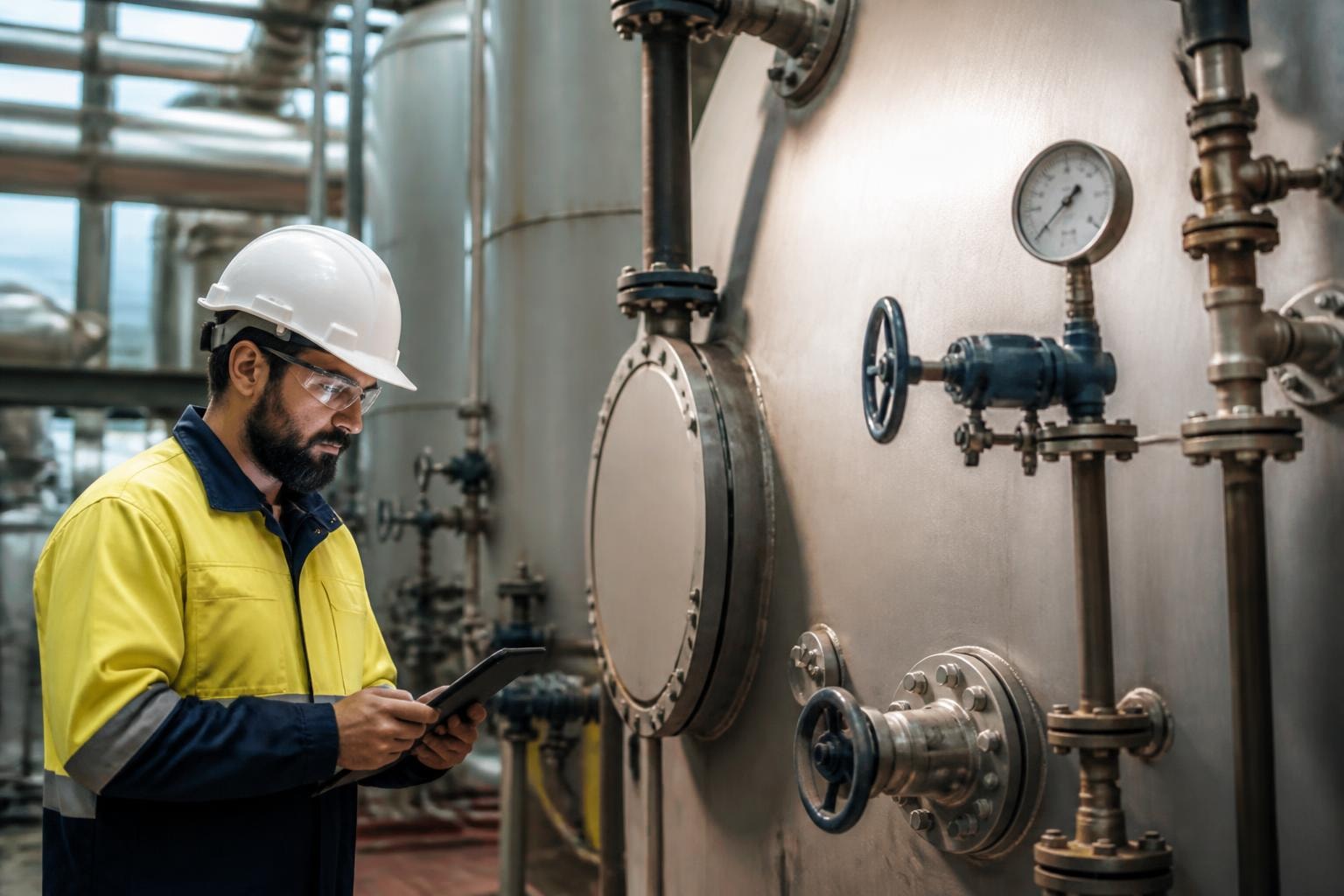
Pressure equipment forms the backbone of countless industrial and commercial operations across the United Kingdom. From manufacturing plants to hospitals, breweries to chemical facilities, systems operating under pressure enable essential processes that keep businesses running. However, the inherent risks associated with pressurised systems demand rigorous safety measures, proper maintenance protocols, and strict regulatory compliance. Understanding the requirements surrounding these systems is not merely about legal obligation-it's about protecting lives, preventing catastrophic failures, and ensuring operational continuity in an increasingly regulated business environment.
Understanding Pressure Equipment Classifications
Pressure equipment encompasses a broad spectrum of apparatus designed to contain substances under pressure greater than atmospheric conditions. These systems include pressure vessels, steam boilers, air receivers, pipework assemblies, and associated safety accessories that work together to maintain system integrity.
The categorisation of pressure equipment depends on several critical factors that determine the level of regulatory oversight required. These include:
Pressure rating and maximum allowable working pressure
Volume capacity of the containment vessel
Type of substance being contained (gas, vapour, or liquid)
Temperature conditions during normal operation
Hazard classification of the contents
Different categories of pressure equipment attract varying levels of scrutiny under UK legislation. High-risk systems containing dangerous substances or operating at significant pressures require more comprehensive conformity assessment procedures than lower-risk installations.
Legislative Framework Governing Pressure Systems
The Pressure Equipment (Safety) Regulations 2016 establish the primary legal framework for new pressure equipment placed on the UK market. These regulations address design, manufacture, and conformity assessment requirements, ensuring that equipment meets essential safety standards before entering service.
For existing installations already in operation, the Pressure Systems Safety Regulations 2000 (PSSR) govern ongoing safe operation and maintenance. Understanding inspection regulations helps organisations navigate their statutory obligations effectively.

Essential Components of Pressure System Safety
Every pressure system comprises multiple interconnected elements that must function harmoniously to maintain safe operation. Understanding these components helps duty holders appreciate the complexity of their compliance obligations.
Primary Pressure Containment Systems
Pressure vessels represent the most recognisable form of pressure equipment, designed to contain gases or liquids at pressures substantially different from ambient conditions. These range from small compressed air receivers in workshops to massive industrial reactors in chemical plants.
Steam boilers generate pressurised steam for heating, power generation, or process applications. Their operation involves continuous energy input and phase changes that create unique hazard profiles requiring specialist knowledge and maintenance protocols.
Pipework assemblies transport pressurised media between system components. While often overlooked, these distribution networks experience thermal cycling, vibration, and corrosion that can compromise integrity over time.
Equipment Type | Common Applications | Primary Hazards | Inspection Focus |
|---|---|---|---|
Air Receivers | Compressed air systems, workshops | Over-pressurisation, corrosion | Internal condition, pressure relief devices |
Steam Boilers | Heating systems, process steam | Thermal stress, scale build-up | Water treatment, safety valves, pressure controls |
Pressure Vessels | Storage, chemical processing | Material degradation, fatigue | Structural integrity, welds, thickness measurements |
Autoclaves | Sterilisation, curing | Temperature/pressure combinations | Door interlocks, safety systems, vessel condition |
Safety Accessories and Protective Devices
Pressure relief devices serve as the final line of defence against catastrophic over-pressurisation events. Safety valves, bursting discs, and controlled depressurisation systems must be correctly sized, installed, and maintained according to designated standards.
Pressure indicating devices and temperature sensors provide operators with critical information about system status. These instruments must undergo regular calibration to ensure accuracy, as incorrect readings can lead to unsafe operating decisions.
The Written Scheme of Examination
A Written Scheme of Examination represents a cornerstone requirement under PSSR, yet many organisations struggle to understand its purpose and implementation. This documented programme identifies what needs examination, the nature of that examination, and maximum intervals between examinations for each pressure system.
The Written Scheme must be prepared or certified by a competent person who possesses appropriate expertise in pressure systems engineering. This individual assesses the specific hazards and operating context of each installation to determine suitable examination frequencies and scope. Developing a comprehensive Written Scheme requires detailed knowledge of the system, its operating history, and potential failure modes.
Determining Examination Intervals
Maximum examination intervals specified in a Written Scheme depend on numerous factors specific to each installation. Operating conditions, historical performance, modification history, and the consequences of potential failure all influence these decisions.
For steam boilers, examination frequencies typically range from 14 months for well-maintained systems to more frequent intervals where operating conditions are severe or maintenance history raises concerns.
Air receivers and pressure vessels may permit longer intervals between thorough examinations where operating conditions remain stable and previous examination findings demonstrate satisfactory condition. However, new installations or systems with unknown histories warrant more conservative approaches.
The competent person certifying the Written Scheme bears responsibility for these judgements, balancing safety imperatives against operational demands. Their decisions must reflect current understanding of equipment condition, deterioration mechanisms, and risk factors specific to each installation.

Thorough Examination Requirements
Thorough examinations go beyond routine visual checks, demanding systematic assessment by engineers with specialist knowledge of pressure systems. PSSR inspections evaluate structural integrity, protective device functionality, and overall system safety through comprehensive inspection protocols.
Scope of Thorough Examination
A proper thorough examination investigates all aspects relevant to safe continued operation:
Visual inspection of external surfaces, supports, and connections
Internal examination where practicable and necessary to determine condition
Non-destructive testing including ultrasonic thickness measurement where deterioration is suspected
Functional testing of safety devices, pressure relief systems, and controls
Review of operating parameters against design specifications
Assessment of repairs or modifications since previous examination
The examining engineer documents findings in a formal report that identifies defects, assesses their significance, and specifies timescales for remedial action. Immediate prohibition may apply where continuation of operation presents imminent danger.
Understanding Different Defect Categories
Examination reports classify defects according to urgency and risk severity. Immediately dangerous defects require immediate cessation of operation until rectification occurs. These might include severely corroded pressure-bearing components, inoperative safety devices, or evidence of dangerous operating practices.
Defects requiring attention within specified timescales allow continued operation under defined conditions while remedial work is planned and executed. The examining engineer specifies maximum periods before re-examination or repair completion based on defect progression rates and risk assessment.
Common Pressure Equipment Hazards
Understanding potential failure modes helps duty holders implement effective preventive measures and recognise warning signs before incidents occur.
Corrosion and Material Degradation
Internal corrosion represents perhaps the most insidious threat to pressure vessel integrity. Water-based systems particularly suffer from oxygen attack, concentration cell corrosion, and galvanic action that gradually reduce wall thickness below safe minimum values.
External corrosion from atmospheric moisture, chemical exposure, or insulation breakdown can progress undetected beneath protective coatings or cladding materials. Regular examination programmes must include provisions for investigating areas where external attack seems probable.
Stress corrosion cracking combines mechanical stress and corrosive environments to produce rapid crack propagation through otherwise sound material. Austenitic stainless steels in chloride environments and brass components exposed to ammonia are particularly susceptible.
Fatigue and Cyclic Loading
Pressure vessels subject to repeated pressurisation cycles accumulate fatigue damage that can eventually initiate cracks. Thermal cycling in steam systems creates additional stresses that accelerate this deterioration process.
Weld zones present particular vulnerability to fatigue failures due to residual stresses, microstructural variations, and potential fabrication defects. Non-destructive examination focuses attention on these critical regions during periodic inspections.
Maintaining Compliance Across Multiple Sites
Organisations operating pressure equipment across multiple locations face particular challenges in maintaining consistent compliance standards. Centralised oversight systems help ensure no installation falls through administrative gaps.
Developing Effective Management Systems
A robust pressure systems management framework incorporates several key elements:
Asset registers documenting all pressure equipment across the organisation
Centralised Written Scheme management ensuring current, competent-person-certified schemes cover every system
Examination scheduling systems that trigger actions well before deadlines approach
Defect tracking procedures ensuring identified issues receive timely resolution
Training programmes for operators and maintenance personnel
Audit mechanisms verifying compliance across all facilities
Organisations should designate specific individuals responsible for pressure systems compliance at both corporate and site levels. Clear accountability structures prevent situations where everyone assumes someone else is managing statutory obligations.
Record Keeping and Documentation
Comprehensive records demonstrate compliance to regulatory authorities whilst providing valuable historical data for future assessments. Essential documentation includes:
Original design and installation records
Current Written Schemes and competent person certifications
All examination reports throughout equipment life
Repair and modification records with supporting calculations
Operator training records and competency assessments
Incident reports and investigation findings
Digital management systems increasingly replace paper-based approaches, offering advantages in accessibility, search functionality, and automated reminder generation. However, arrangements must ensure record preservation throughout equipment life regardless of technology changes. Understanding inspection frequency requirements helps organisations plan their compliance activities effectively.
Role of the Competent Person
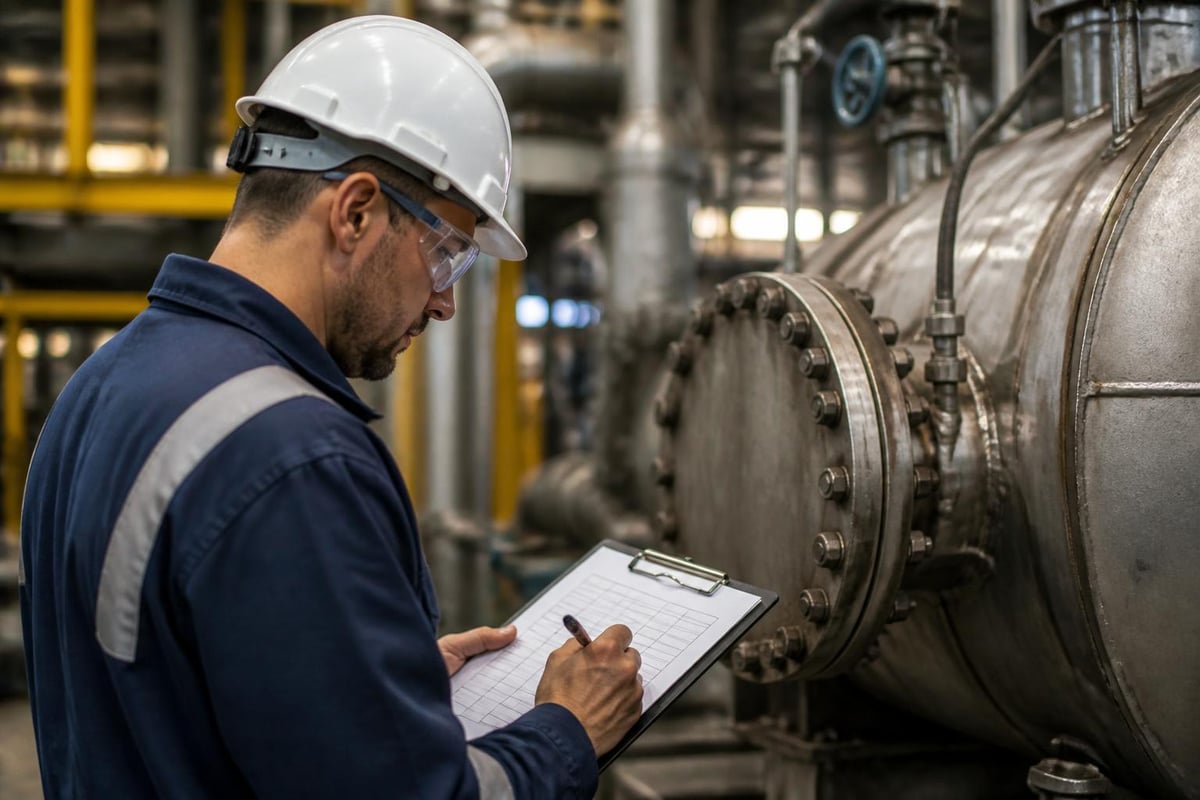
The competent person concept underpins PSSR compliance, yet significant confusion persists regarding who qualifies and what responsibilities they bear. Competence encompasses practical experience, theoretical knowledge, and understanding of relevant regulatory frameworks specific to pressure systems engineering.
Competent Person Responsibilities
Competent persons fulfil two distinct roles within PSSR compliance frameworks. First, they prepare or certify Written Schemes of Examination, applying their expertise to determine appropriate examination scope and frequency for specific installations.
Second, competent persons carry out or supervise thorough examinations specified in those Written Schemes. This requires not only identifying defects but assessing their significance and specifying appropriate remedial actions or operating restrictions.
Independence represents a critical consideration when selecting examining competent persons. Whilst in-house engineers may possess necessary technical knowledge, independent examination provides additional assurance that commercial pressures don't compromise safety assessments.
Qualifications and Experience
No single qualification automatically confers competent person status. Instead, organisations must assess candidates against the specific demands of their pressure systems. Relevant engineering qualifications combined with substantial practical experience in pressure vessel inspection typically form the foundation.
Specialist certifications from professional bodies provide additional evidence of competence. However, these should complement rather than replace assessment of actual knowledge and experience relevant to the equipment being examined. Exploring safety and regulation considerations helps businesses understand broader compliance contexts.
Emerging Technologies and Modern Challenges
The pressure equipment landscape continues evolving as new technologies, materials, and applications emerge alongside traditional installations requiring ongoing management.
Advanced Inspection Techniques
Modern non-destructive examination methods enable more detailed assessment of equipment condition without invasive intervention. Phased array ultrasonics provide high-resolution imaging of internal structures, detecting defects that conventional techniques might miss.
Acoustic emission monitoring during pressure testing or normal operation identifies active crack growth or other dynamic deterioration processes. This technology allows targeted investigation of specific areas showing concerning activity.
Digital radiography reduces radiation exposure whilst improving defect detection capabilities compared with traditional film-based approaches. Real-time image review accelerates examination processes and enables immediate consultation on findings.
Industry-Specific Considerations
Different industrial sectors face unique pressure equipment challenges that influence compliance approaches. Manufacturing facilities often operate diverse pressure systems ranging from compressed air networks to process vessels requiring varied examination strategies.
Breweries utilise pressure equipment throughout production processes, from CO2 systems to pressurised fermentation vessels and kegging equipment. Food safety considerations add complexity to maintenance and examination activities.
Healthcare facilities rely on autoclaves and sterilisation equipment where pressure system failure could compromise patient safety and infection control protocols. These applications demand particularly rigorous compliance approaches.
Integration with Broader Safety Management
Pressure equipment safety shouldn't exist in isolation but rather integrate with comprehensive workplace safety management systems. Effective organisations recognise interconnections between different regulatory frameworks and develop holistic compliance approaches.
Coordinating Multiple Regulatory Requirements
Many workplaces contain equipment falling under several statutory inspection regimes. Compressed air systems powering pneumatic tools require both pressure system examinations under PSSR and potentially equipment inspections under PUWER. Coordinating these activities prevents duplication whilst ensuring nothing gets overlooked.
Lifting equipment incorporating pressure-operated components might require examination under both LOLER and PSSR. Understanding how these regulations interact helps organisations schedule inspections efficiently whilst maintaining full compliance.
The Health and Safety Executive provides comprehensive guidance for manufacturers and suppliers entering the pressure equipment market. Their resources clarify obligations throughout equipment lifecycles from initial design through to decommissioning.
Creating Safety Culture
Technical compliance with examination requirements represents only part of effective pressure system safety. Organisations must foster awareness among operators and maintenance personnel regarding the hazards these systems present and their role in managing those risks.
Regular training sessions should cover:
Basic pressure system principles and hazard awareness
Recognition of warning signs indicating developing problems
Correct operating procedures and prohibited practices
Emergency response protocols for pressure system failures
The purpose and importance of statutory examinations
Encouraging reporting of near-misses, unusual observations, or potential concerns creates opportunities for early intervention before minor issues escalate into serious incidents.
Cost Considerations and Business Benefits
While some organisations view pressure system compliance primarily as regulatory burden, effective management delivers tangible business benefits beyond avoiding prosecution.
Preventing Catastrophic Failures
The direct costs of pressure vessel failures extend far beyond equipment replacement. Production downtime, facility damage, potential injuries, and regulatory enforcement action create financial impacts that dwarf examination expenses. Systematic inspection programmes identify deterioration before it precipitates catastrophic events.
Business interruption following serious pressure system incidents can persist for months whilst investigations proceed, repairs are completed, and regulatory approval for recommissioning is obtained. Insurance may not fully cover consequential losses from extended shutdowns.
Optimising Maintenance Investment
Examination findings provide data-driven insights for maintenance planning and capital investment decisions. Identifying equipment approaching end-of-life enables proactive replacement scheduling that minimises disruption rather than reactive responses to emergency failures.
Business Benefit | How Achieved | Typical Impact |
|---|---|---|
Reduced downtime | Planned maintenance vs emergency repairs | 60-80% reduction in unplanned outages |
Extended equipment life | Early detection and remediation of defects | 20-40% life extension through proactive intervention |
Insurance premium reduction | Demonstrated risk management practices | Variable, typically 5-15% for good performers |
Regulatory confidence | Consistent compliance record | Reduced inspection frequency, less enforcement action |
Energy Efficiency Benefits
Well-maintained pressure systems operate more efficiently than deteriorated installations. Steam system examinations identifying insulation damage, steam trap failures, or leaking joints enable targeted improvements that reduce energy consumption and associated costs.
Compressed air systems with properly functioning pressure controls, minimal leakage, and clean heat exchangers consume substantially less energy than neglected installations. Regular examination programmes support these efficiency gains through systematic condition monitoring.
Future Developments in Pressure Equipment Regulation
The regulatory landscape continues adapting to technological advances, evolving hazard understanding, and changing industrial practices. Organisations should monitor developments that may affect their compliance obligations.
Digitalisation and Remote Monitoring
Emerging technologies enable continuous monitoring of pressure system parameters, potentially transforming examination approaches from periodic inspections to condition-based assessment supported by ongoing data collection.
Internet of Things (IoT) sensors provide real-time visibility of pressures, temperatures, and equipment status across distributed installations. This data helps identify developing issues between formal examinations whilst providing evidence of operating conditions for competent person assessment.
Regulatory frameworks may evolve to recognise these capabilities, potentially allowing examination interval extensions for installations with robust monitoring systems demonstrating stable, well-controlled operation. However, technology cannot fully replace expert physical examination of equipment condition.
Sustainability and Decarbonisation
Industrial decarbonisation drives adoption of new technologies including hydrogen systems, carbon capture equipment, and heat pumps operating at elevated pressures. These applications introduce novel hazards and operating conditions that existing pressure equipment experience may not fully address. Understanding health inspection requirements across various workplace safety domains helps businesses develop integrated compliance strategies.
Regulatory frameworks and competent person training programmes must adapt to encompass these emerging applications whilst maintaining safety standards developed through decades of traditional pressure system experience.
Effective pressure equipment management requires ongoing commitment to regulatory compliance, proactive maintenance, and continuous improvement of safety systems. Understanding the legal framework, technical requirements, and practical implementation strategies enables organisations to protect their people, assets, and operational capability whilst meeting statutory obligations. Workplace Inspection Services Ltd provides nationwide independent engineering inspections covering PSSR and other statutory requirements, helping businesses maintain compliance and ensure safe working environments. Contact their expert team to discuss how professional inspection services can support your pressure equipment compliance programme.