LOLER and PUWER Regulations: Essential UK Compliance Guide
LOLER and PUWER Regulations: Essential UK Compliance Guide
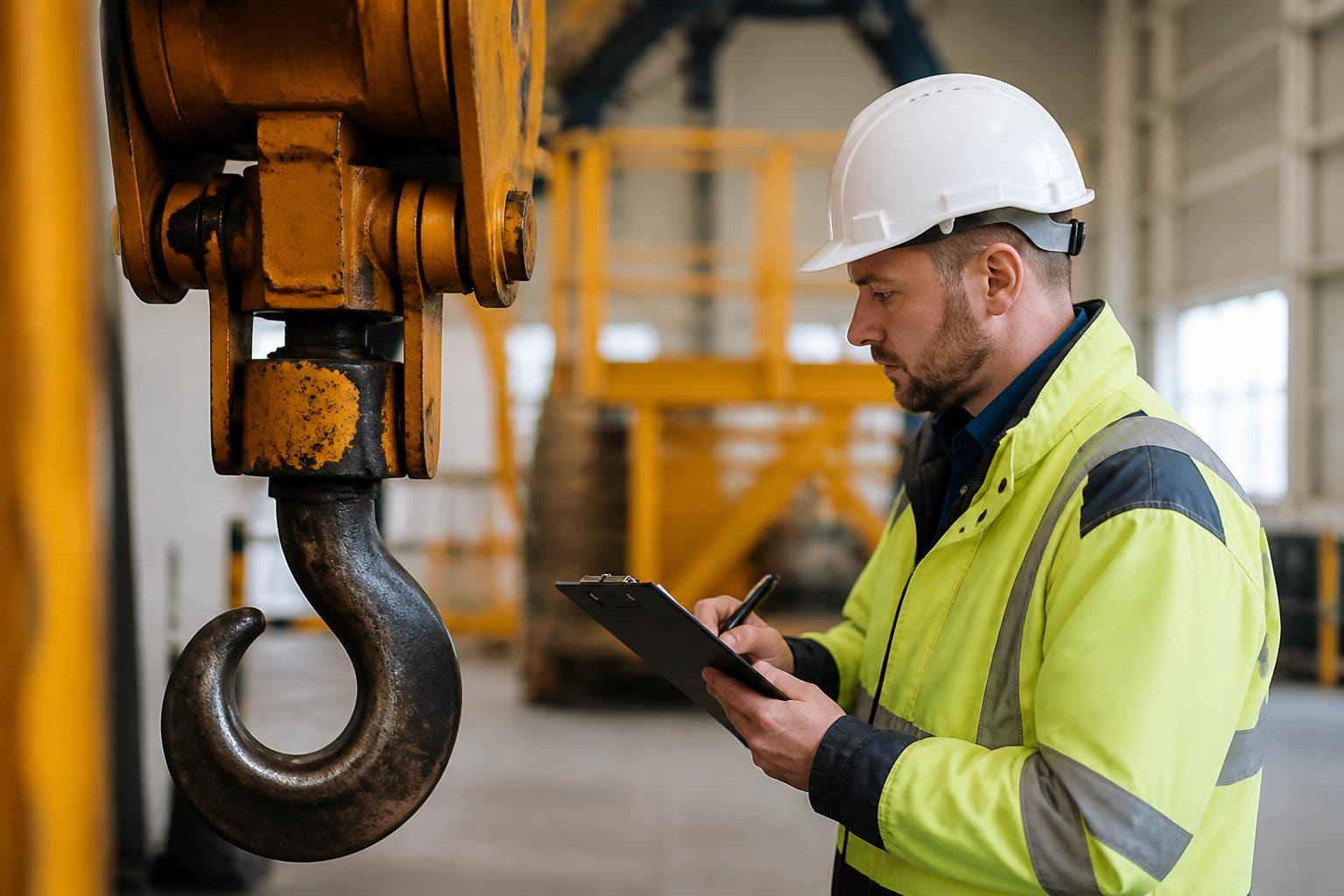
Understanding workplace equipment safety legislation is fundamental to protecting employees and maintaining legal compliance. Two critical pieces of UK health and safety legislation-the Lifting Operations and Lifting Equipment Regulations 1998 (LOLER) and the Provision and Use of Work Equipment Regulations 1998 (PUWER)-form the backbone of equipment safety requirements across British industries. These regulations establish clear responsibilities for employers, define inspection standards, and create a framework that prevents workplace accidents involving machinery and lifting equipment. Whether you operate a small workshop or manage a large manufacturing facility, navigating loler and puwer regulations effectively is essential to your business operations.
What Are LOLER and PUWER Regulations?
The loler and puwer regulations represent two distinct but complementary pieces of legislation that govern equipment safety in UK workplaces. PUWER 1998 applies broadly to virtually all work equipment used by employees, from hand tools and office equipment to complex manufacturing machinery. This regulation ensures that equipment is suitable for its intended purpose, maintained properly, and inspected at appropriate intervals.
LOLER 1998 specifically addresses lifting equipment and lifting operations. This includes cranes, hoists, lift trucks, passenger lifts, lifting accessories such as chains and slings, and even mobile elevating work platforms. The Health and Safety Executive provides comprehensive guidance on LOLER requirements, clarifying which equipment falls under this regulation.
Key Differences Between the Two Regulations
Understanding where these regulations overlap and diverge is crucial for compliance planning. PUWER covers equipment safety broadly, whilst LOLER focuses specifically on lifting operations and the equipment used to perform them.
PUWER Requirements:
Equipment must be suitable for the intended use
Proper maintenance must be carried out
Specific risks must be addressed
Information, instruction and training must be provided
Dangerous parts of machinery must be protected
LOLER Requirements:
Lifting equipment must be of adequate strength and stability
Equipment must be positioned and installed safely
Lifting operations must be properly planned and supervised
Thorough examinations must be conducted at prescribed intervals
Reports must be kept available for inspection
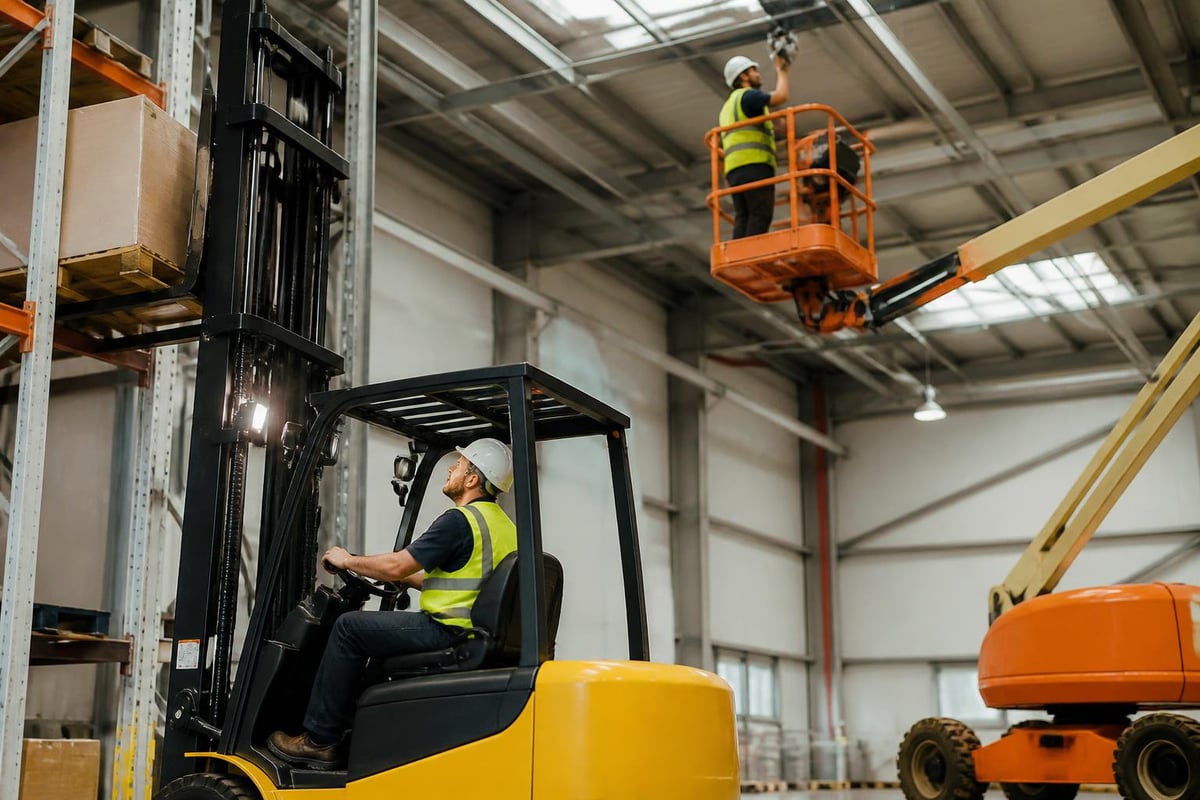
Some equipment falls under both regulations simultaneously. A forklift truck, for example, must comply with PUWER as work equipment and with LOLER when performing lifting operations. This dual compliance requirement means businesses must address both sets of standards.
Legal Obligations for Employers
The loler and puwer regulations place clear duties on employers, equipment owners, and those who control work equipment. Compliance isn't optional-these are statutory requirements backed by enforcement action from the Health and Safety Executive.
PUWER Compliance Responsibilities
Employers must ensure all work equipment meets minimum safety standards. This begins with selecting appropriate equipment for the task and continues through its entire operational life. The application of PUWER extends to second-hand equipment, hired equipment, and even employees' own tools used for work purposes.
Equipment must be maintained in efficient working order and good repair. A planned maintenance programme should address manufacturer recommendations, operational demands, and environmental conditions. Maintenance records provide crucial evidence of compliance and support risk assessment activities.
Training represents another fundamental obligation. Workers must receive adequate instruction on equipment use, including how to recognise faults and report problems. This training must be specific to the equipment they'll operate and appropriate to their experience level.
LOLER Compliance Responsibilities
LOLER introduces additional requirements specifically for lifting operations. Every lift must be properly planned by a competent person who has considered the risks and identified necessary measures. For routine operations, this planning might form part of standard operating procedures; for complex or infrequent lifts, specific lift plans may be required.
Supervision requirements ensure lifts are carried out safely. The level of supervision depends on the risks involved, the complexity of the operation, and the competence of those involved. Simple, routine lifts by experienced operators may need minimal supervision, whilst complex operations demand close oversight.
Regulation | Primary Focus | Inspection Frequency | Competent Person Required |
|---|---|---|---|
PUWER | All work equipment safety | Risk-based intervals | For inspection decisions |
LOLER | Lifting equipment and operations | 6 or 12 months typically | For thorough examinations |
Thorough Examinations and Inspection Requirements
The cornerstone of loler and puwer regulations compliance is regular inspection and examination by competent persons. These requirements ensure equipment deterioration is identified before it creates dangerous situations.
LOLER Thorough Examinations
LOLER mandates thorough examinations at specified intervals. For most lifting equipment, examinations occur every 12 months. Equipment used to lift persons, such as passenger lifts or mobile elevating work platforms, requires examination every six months. Some equipment may need more frequent examination based on risk assessment and operational demands.
A thorough examination goes beyond basic visual checks. The competent person conducting the examination must identify defects that could affect safe operation, assess equipment strength and stability, and determine whether it remains fit for purpose. Professional LOLER inspections provide this level of scrutiny, delivering detailed reports that satisfy regulatory requirements.
Following each examination, a formal report must be produced within 28 days. This report identifies the equipment examined, records defects found, states whether it's safe to operate, and specifies when the next examination is due. Employers must keep these reports available and ensure any identified defects are addressed promptly.
PUWER Inspection Standards
PUWER doesn't specify fixed inspection intervals. Instead, it requires inspections at suitable intervals based on risk assessment. Factors influencing inspection frequency include equipment type, usage intensity, operating environment, and manufacturer recommendations.
For some equipment, daily pre-use checks by operators suffice. For others, monthly, quarterly, or annual inspections by competent persons may be necessary. The key is demonstrating that inspection frequency matches the risks and that inspections are thorough enough to identify developing problems.
Documentation proves compliance. Inspection records should detail what was examined, when, by whom, findings, and actions taken. These records demonstrate due diligence and provide evidence should incidents occur or enforcement authorities visit.
Types of Equipment Covered
Understanding exactly which equipment falls under loler and puwer regulations helps businesses ensure nothing slips through compliance gaps. The scope is intentionally broad to protect workers across all industries.
LOLER Equipment Categories
LOLER applies to any equipment used for lifting or lowering loads, including people. This encompasses obvious items like cranes, hoists, and lifts, but also extends to less apparent equipment such as tail lifts on vehicles, bath hoists in care settings, and lifting accessories like slings, chains, and hooks.
Common LOLER Equipment:
Overhead cranes and gantry cranes
Mobile cranes and tower cranes
Passenger and goods lifts
Platform hoists and scissor lifts
Fork lift trucks and telehandlers
Vehicle inspection ramps
Lifting beams and spreader bars
Shackles, eyebolts, and lifting chains
Even simple equipment like hand-operated chain blocks or pulley systems require thorough examination under LOLER. If it lifts, it's likely covered.
PUWER Equipment Scope
PUWER's reach is even broader, covering virtually all equipment used at work. From photocopiers and computers through to industrial presses and CNC machines, if employees use it to carry out work, PUWER applies.
The regulation encompasses mobile and stationary equipment, power tools and hand tools, machinery and apparatus. Second-hand purchases, leased equipment, and hired machinery all fall within scope. Even equipment provided by employees themselves must meet PUWER standards when used for work.
Certain equipment types demand particular attention. Machinery with dangerous moving parts, equipment generating extreme temperatures, systems operating under pressure, and tools capable of projecting materials all present specific risks that PUWER addresses. Understanding different inspection regulations helps businesses navigate these varied requirements.
Risk Assessment and Hazard Management
Effective management of loler and puwer regulations begins with thorough risk assessment. This systematic process identifies hazards, evaluates risks, and determines necessary control measures.
Conducting Equipment Risk Assessments
Risk assessment for work equipment follows the standard five-step approach: identify hazards, determine who might be harmed, evaluate risks and decide on precautions, record findings, and review regularly. For equipment assessment, particular attention focuses on mechanical hazards, electrical risks, noise and vibration, ergonomic factors, and failure modes.
Consider not just normal operation but also foreseeable misuse, maintenance activities, and potential equipment failure. What happens if a lifting chain fails? How might someone be injured during cleaning? Could adjustments be made without proper isolation? These questions reveal hidden risks.
The safe lifting requirements outlined by the HSE provide practical guidance on factors to consider during lifting operation risk assessment. Load characteristics, environmental conditions, attachment points, and travel paths all influence risk levels.
Implementing Control Measures
Once risks are identified, appropriate control measures must be implemented following the hierarchy of control. Elimination removes the hazard entirely-perhaps through process redesign that eliminates a lifting operation. Substitution replaces high-risk equipment with safer alternatives.
Engineering controls reduce risks through physical means: guards on machinery, interlocks preventing access during operation, emergency stops, and overload protection on lifting equipment. These provide reliable protection without depending on human behaviour.
Administrative controls include safe systems of work, permits to work for high-risk operations, training programmes, and supervision arrangements. Whilst less reliable than engineering controls, they remain essential components of comprehensive risk management.
Control Type | Examples | Reliability | Application to Equipment |
|---|---|---|---|
Elimination | Process redesign, automation | Highest | Remove need for equipment |
Substitution | Safer equipment, different methods | High | Replace with lower-risk options |
Engineering | Guards, interlocks, safety devices | High | Physical protection measures |
Administrative | Training, procedures, supervision | Medium | Behaviour-based controls |
PPE | Gloves, hearing protection, safety boots | Lowest | Last resort protection |
Maintenance and Record-Keeping Requirements
Proper maintenance and meticulous record-keeping underpin compliance with loler and puwer regulations. These activities ensure equipment remains safe and provide evidence of due diligence.
Establishing Maintenance Programmes
Effective maintenance prevents equipment deterioration and identifies developing problems before they cause failures. Programmes should be based on manufacturer recommendations, operational experience, and risk assessment findings. Preventive maintenance at scheduled intervals typically proves more cost-effective than reactive repairs following breakdowns.
Maintenance schedules vary with equipment type and usage. High-use equipment in demanding environments needs more frequent attention than occasionally used items in controlled conditions. Critical safety systems warrant particularly rigorous maintenance to ensure reliability when needed.
Key Maintenance Activities:
Routine inspections and adjustments
Lubrication and cleaning
Replacement of wear parts
Testing of safety systems
Calibration of control systems
Component overhaul or replacement
Competent persons must carry out maintenance, particularly on complex or safety-critical equipment. This doesn't always mean external specialists-suitably trained and experienced in-house staff can maintain many types of equipment. The crucial factor is demonstrated competence for the specific maintenance task.
Documentation and Record Systems
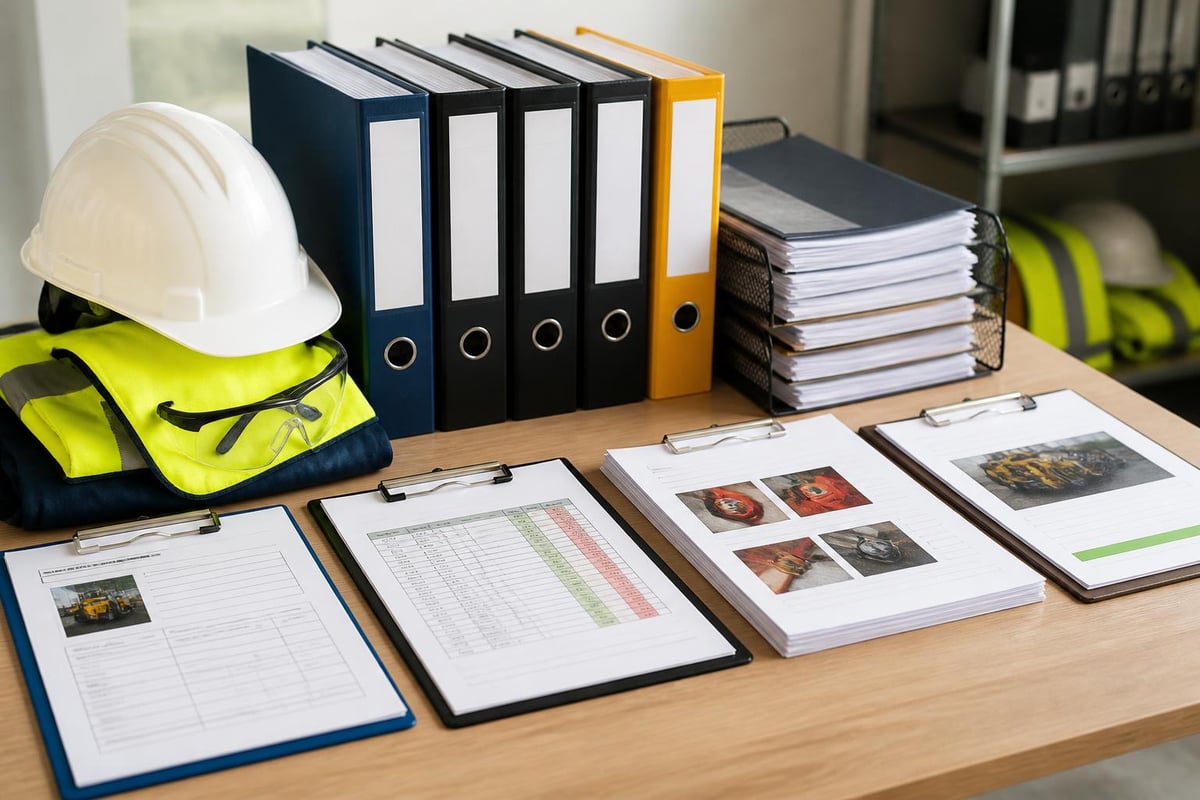
Comprehensive records prove compliance and support equipment management. For LOLER equipment, examination reports must be retained until the next report is produced, then for an additional two years. For equipment that's been scrapped or sold, the final report must be kept for two years after disposal.
PUWER doesn't specify record retention periods, but keeping maintenance and inspection records throughout equipment life represents good practice. These records help demonstrate that equipment has been properly maintained and show patterns of wear or recurring faults.
Modern record systems increasingly use digital platforms that centralise information, set automatic reminders for upcoming examinations, track defect rectification, and generate compliance reports. Whether using sophisticated software or simple spreadsheets, the essential requirement remains the same: records must be accurate, accessible, and complete.
Businesses can find detailed guidance on record-keeping requirements that align with current regulatory expectations.
Competent Persons and Their Role
Both loler and puwer regulations require involvement of competent persons for various activities. Understanding what constitutes competence and when it's required ensures regulatory compliance.
Defining Competence
The Health and Safety Executive defines a competent person as someone with the necessary skills, knowledge, and experience to manage health and safety. For equipment inspection and examination, this means understanding how equipment works, recognising signs of deterioration, appreciating risks, and knowing relevant standards and regulations.
Competence develops through a combination of training, qualifications, and practical experience. For straightforward equipment, basic training might suffice. For complex or high-risk equipment, professional qualifications and extensive experience become necessary. The level of competence must match the complexity and risks involved.
When Competent Persons Are Required
Under PUWER, competent persons should conduct inspections where risks are significant. For routine daily checks, the equipment operator may possess sufficient competence. For detailed periodic inspections, someone with specialist knowledge becomes necessary.
LOLER is more prescriptive, explicitly requiring thorough examinations by competent persons. This person must understand the equipment type, recognise defects affecting safe operation, assess whether equipment remains fit for purpose, and produce compliant examination reports.
Many businesses engage independent inspection companies to provide competent person services. This ensures genuine independence, brings specialist expertise, and provides professional indemnity insurance coverage. Internal competent persons can be appointed, but they must have appropriate training and remain free from conflicts of interest that might compromise objective assessment.
Organisations seeking expert examination services can benefit from professional providers who specialise in statutory workplace inspections across multiple regulatory frameworks.
Industry-Specific Applications
The loler and puwer regulations apply across all sectors, but their practical implementation varies significantly between industries. Understanding sector-specific considerations helps businesses develop targeted compliance approaches.
Manufacturing and Engineering Sectors
Manufacturing facilities typically operate extensive machinery portfolios requiring comprehensive PUWER compliance programmes. Production machinery, machine tools, materials handling equipment, and ancillary systems all demand regular inspection and maintenance. The complexity and variety of equipment in these settings necessitate well-organised systems for tracking compliance obligations.
Fabrication workshops commonly use overhead cranes, jib cranes, and lifting equipment requiring LOLER examinations. The combination of heavy lifting operations and complex machinery means these businesses must address both regulations comprehensively.
Warehousing and Logistics Operations
Warehouse environments rely heavily on lifting equipment. Forklift trucks, reach trucks, pallet stackers, and dock levellers all require LOLER examinations. The high-intensity use typical in logistics operations often necessitates more frequent inspections than minimum regulatory requirements.
Materials handling equipment in these settings experiences constant use, increasing wear rates and elevating risks. Implementing robust pre-use check systems helps identify developing problems between formal examinations.
Healthcare and Care Facilities
Care homes and healthcare settings use specialised lifting equipment for patient handling. Ceiling hoists, mobile hoists, bath lifts, and stair lifts all fall under LOLER and require six-monthly examinations because they lift persons. The vulnerable nature of people being lifted demands particularly rigorous safety standards.
Additionally, medical equipment, therapy equipment, and various appliances require PUWER compliance. The diversity of equipment types in healthcare settings creates complex compliance landscapes requiring careful management.
Educational Establishments
Schools and colleges often overlook equipment compliance, yet they operate significant amounts of regulated equipment. Science laboratories contain various apparatus, design technology workshops house machinery and tools, maintenance departments use ladders and access equipment, and facilities departments operate lifting equipment.
The transient nature of users in educational settings, with students moving between year groups and new staff joining regularly, makes training and supervision particularly important aspects of PUWER compliance.
Common Compliance Challenges and Solutions
Implementing loler and puwer regulations effectively presents challenges for many organisations. Recognising these obstacles and understanding proven solutions improves compliance outcomes.
Managing Multiple Equipment Types
Businesses often struggle to maintain oversight of diverse equipment portfolios. A single facility might contain hundreds of items requiring different inspection frequencies, varied competent person requirements, and distinct maintenance needs.
Solutions include:
Implementing equipment registers that categorise all items
Using colour-coded labels indicating next examination dates
Deploying digital management systems with automated reminders
Consolidating inspection services through single providers
Scheduling examinations in logical groups to minimise disruption
Equipment registers should include unique identification numbers, descriptions, locations, examination frequencies, and responsible persons. This centralised information enables effective planning and prevents items being overlooked.
Ensuring Competent Person Availability
Finding and retaining competent persons for examinations challenges many businesses, particularly smaller organisations. Internal appointment requires investment in training and ongoing development, whilst external services involve coordination and costs.
Engaging independent inspection specialists offers several advantages. Professional inspectors bring broad experience across equipment types, maintain up-to-date regulatory knowledge, carry professional indemnity insurance, and provide truly independent assessments. The differences between LOLER and PUWER become clearer when explained by experienced professionals who apply both regulations daily.
Addressing Historic Compliance Gaps
Businesses discovering they haven't met examination requirements face difficult decisions. Equipment might have operated for years without proper examination, creating uncertainty about safety and compliance status.
The solution involves immediate action: stop using equipment until examined, engage competent persons urgently to assess equipment condition, prioritise examinations based on risk, and implement systems preventing future non-compliance. Regulatory authorities generally respond more favourably to businesses that self-identify problems and take corrective action than to those discovered through incidents or inspections.
Balancing Operational Demands with Compliance
Production pressures sometimes conflict with examination scheduling. Taking equipment out of service for examination can disrupt operations, particularly when equipment is critical to production processes.
Forward planning mitigates these conflicts. Scheduling examinations during planned shutdowns, maintenance windows, or quieter periods reduces operational impact. For essential equipment, maintaining backup capacity allows examinations without production stoppage. The alternative-equipment failure or regulatory enforcement action-creates far greater disruption than planned examinations.
Integration with Other Safety Regulations
The loler and puwer regulations don't exist in isolation. They interact with broader health and safety legislation, creating an integrated framework for workplace safety.
Relationship with Health and Safety at Work Act
The Health and Safety at Work etc. Act 1974 provides the overarching framework within which LOLER and PUWER operate. This Act establishes the general duty to ensure, so far as is reasonably practicable, the health, safety, and welfare of employees. LOLER and PUWER provide specific, detailed requirements for meeting these general duties regarding work equipment.
Compliance with LOLER and PUWER helps demonstrate compliance with the broader duties under the Health and Safety at Work Act. However, the general duties extend beyond specific regulations, meaning businesses must consider risks holistically.
Connections to Other Equipment Regulations
Several other regulations intersect with LOLER and PUWER. The Pressure Systems Safety Regulations 2000 (PSSR) govern pressure equipment, creating compliance obligations similar to LOLER for vessels, boilers, and pipework systems. Understanding how PSSR integrates with other inspection requirements helps businesses develop comprehensive compliance strategies.
The Supply of Machinery (Safety) Regulations ensure new equipment meets minimum safety standards before being placed on the market. These requirements complement PUWER by ensuring equipment starts life meeting appropriate standards, which PUWER then maintains throughout operational life.
Control of Substances Hazardous to Health (COSHH) Regulations apply when work equipment generates, processes, or contains hazardous substances. Equipment like Local Exhaust Ventilation (LEV) systems requires examination under both PUWER and COSHH, demonstrating how regulations overlap in practice.
Management Systems Integration
Effective businesses integrate LOLER and PUWER compliance into broader safety management systems rather than treating them as standalone requirements. This integration ensures equipment safety considerations feature in risk assessments, training programmes, emergency plans, and continuous improvement activities.
ISO 45001 occupational health and safety management systems provide frameworks for integrating various safety requirements. Equipment management becomes one component of a comprehensive approach addressing all workplace hazards systematically.
Understanding and implementing loler and puwer regulations protects your workforce whilst ensuring legal compliance across your equipment portfolio. These statutory requirements demand systematic approaches to examination, maintenance, and risk management that many businesses find challenging to navigate independently. Workplace Inspection Services Ltd provides nationwide expert inspection services that simplify compliance, delivering thorough examinations conducted by qualified engineers who understand the practical application of these regulations across diverse industrial settings. Whether you need support with LOLER examinations, PUWER inspections, or integrated compliance programmes, professional inspection services ensure your equipment remains safe, compliant, and operationally effective.