Lifting Equipment LOLER: A Compliance Guide for 2026
Lifting Equipment LOLER: A Compliance Guide for 2026
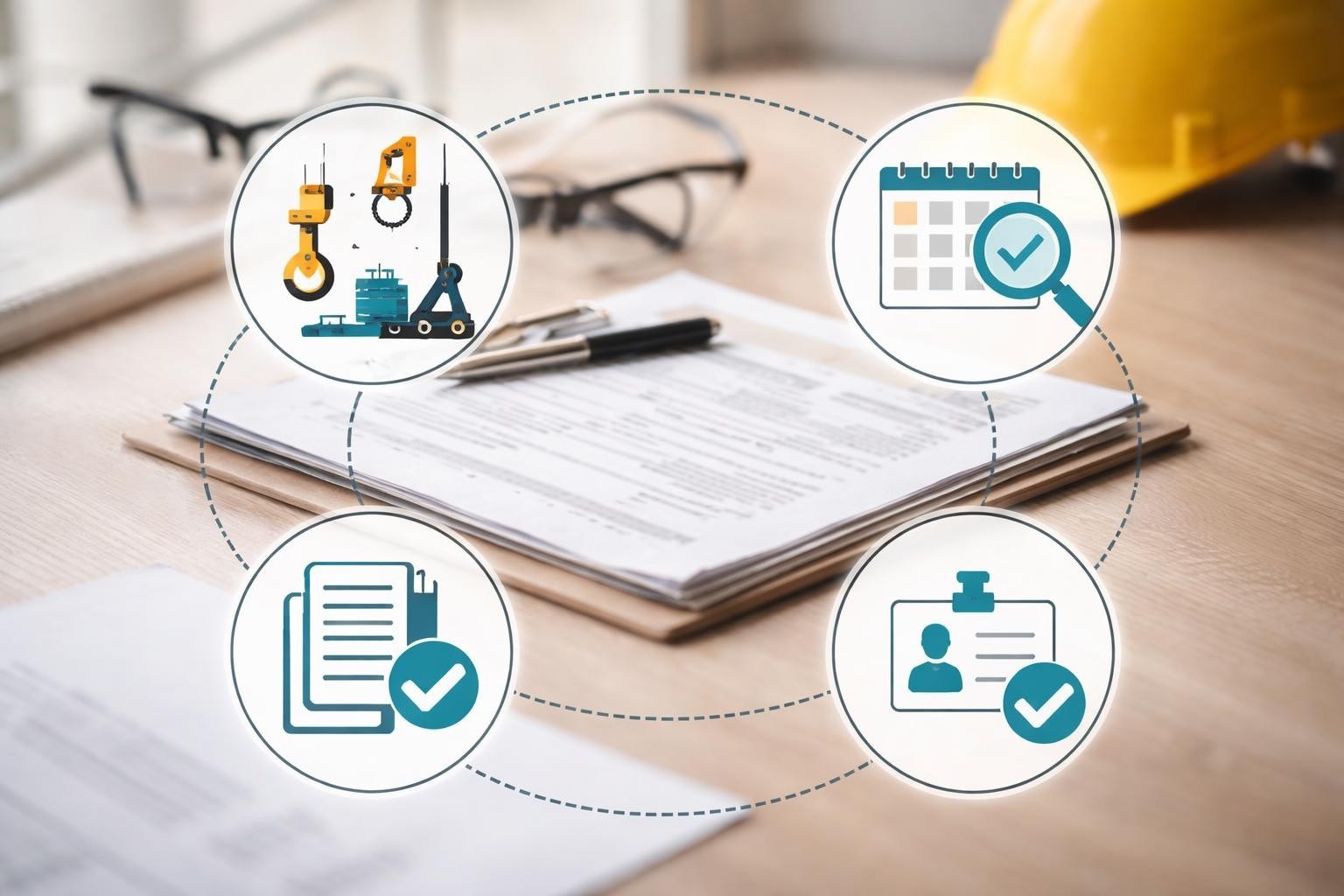
The safe operation of lifting equipment in British workplaces depends on rigorous compliance with statutory regulations designed to protect employees and visitors from serious injury. The Lifting Operations and Lifting Equipment Regulations 1998, commonly known as LOLER, establishes mandatory requirements for businesses that own, operate or have control over lifting equipment. Understanding these regulations is essential for maintaining workplace safety, avoiding enforcement action and ensuring that lifting operations are planned, supervised and carried out in a manner that protects everyone involved. This comprehensive guide explores the key aspects of lifting equipment LOLER compliance, from identifying which equipment falls under the regulations to implementing effective examination schedules and maintaining proper documentation.
What Is LOLER and Why Does It Matter?
The Lifting Operations and Lifting Equipment Regulations 1998 represent a critical piece of health and safety legislation that applies across all sectors where lifting equipment is used. LOLER regulations impose specific duties on those who own, operate or have control over lifting equipment, requiring them to ensure that all lifting operations are properly planned by a competent person, appropriately supervised and carried out in a safe manner.
These regulations exist because lifting equipment presents significant risks when not properly maintained or operated. Equipment failure, improper use or inadequate planning can result in catastrophic incidents including crush injuries, falls from height and fatalities. The Health and Safety Executive reports that lifting equipment continues to be involved in numerous workplace accidents each year, many of which could be prevented through proper compliance with LOLER requirements.
The Legal Framework
LOLER works alongside other health and safety legislation, particularly the Provision and Use of Work Equipment Regulations 1998 (PUWER), to create a comprehensive safety framework. While PUWER covers the general safety of work equipment, lifting equipment LOLER specifically addresses the unique hazards associated with lifting operations.
Key legislative requirements include:
Ensuring lifting equipment is sufficiently strong and stable for its intended use
Positioning and installing equipment to minimise risks
Marking equipment with safe working loads
Organising thorough examinations by competent persons
Maintaining detailed records of examinations and defects
The regulations apply to employers, the self-employed and anyone else who has control over lifting equipment or the way it is used, including those who manage or control work premises.
Types of Equipment Covered by LOLER
Understanding which equipment falls under lifting equipment LOLER regulations is fundamental to compliance. The scope is broader than many businesses initially realise, extending well beyond obvious items like cranes and hoists.
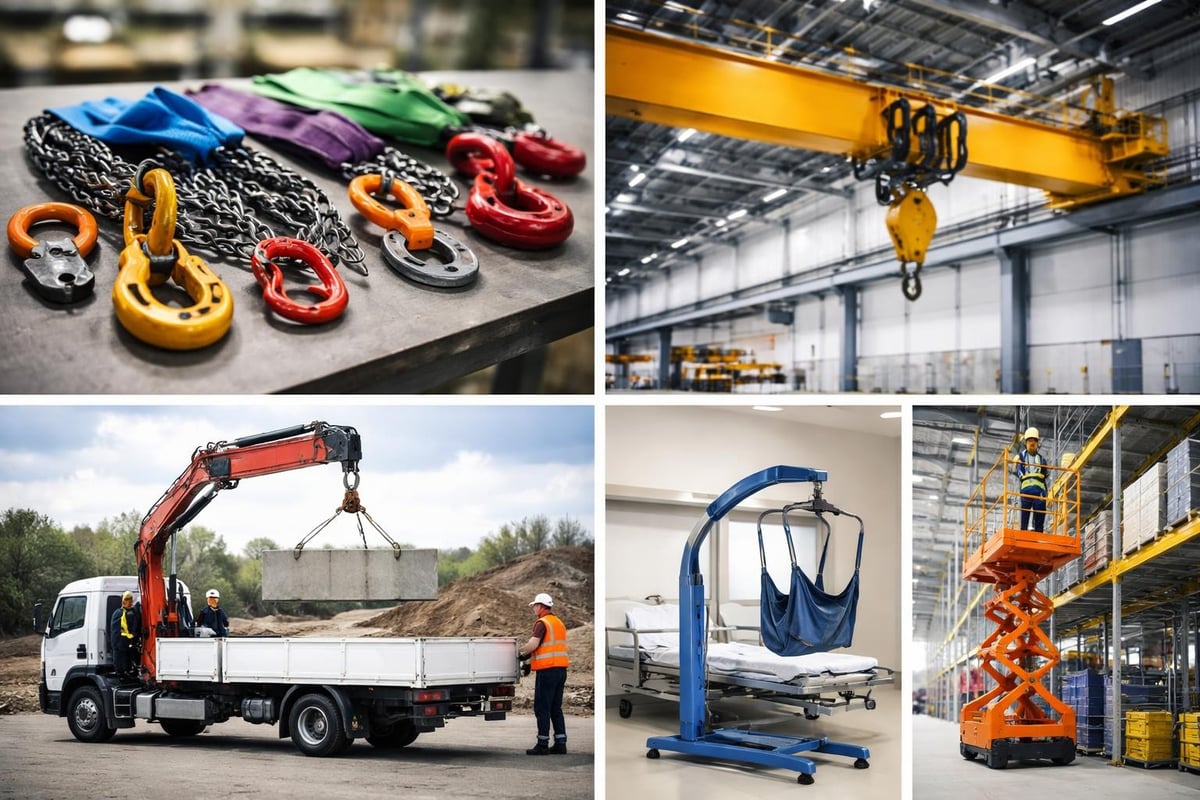
LOLER applies to any equipment used at work for lifting or lowering loads, including people. This encompasses both the equipment itself and any attachments used for anchoring, fixing or supporting it during use.
Common Equipment Categories
Equipment Type | Examples | Typical Applications |
|---|---|---|
Fixed Installation | Goods lifts, passenger lifts, service lifts | Buildings, manufacturing facilities |
Mobile Equipment | Mobile cranes, vehicle-mounted cranes, cherry pickers | Construction, maintenance, warehousing |
Lifting Accessories | Chains, slings, shackles, eyebolts, hooks | General lifting operations across sectors |
Hoisting Equipment | Electric chain hoists, wire rope hoists, beam trolleys | Workshops, production lines |
Specialised Systems | Patient hoists, vehicle lifts, dock levellers | Healthcare, automotive, logistics |
Even equipment that might not immediately appear to be lifting equipment can fall under LOLER. For instance, a scissor lift used for access work, a tail lift on a delivery vehicle or a stairlift in a care home all require LOLER compliance. Understanding what equipment you have and ensuring compliance with inspection regulations is essential for any business.
Accessories and Attachments
Lifting accessories deserve particular attention as they are frequently overlooked. Any component between the lifting machinery and the load, or attached to the load to enable it to be gripped or supported, qualifies as a lifting accessory under the regulations.
This includes:
Wire rope slings and synthetic webbing slings
Chain slings and rope slings
Shackles, hooks and links
Lifting beams and spreader bars
Eyebolts and swivels
Plate clamps and magnet lifters
Each of these items requires thorough examination according to specified schedules, and businesses must maintain records demonstrating ongoing compliance.
Thorough Examination Requirements
The cornerstone of lifting equipment LOLER compliance is the thorough examination regime. This is distinct from routine maintenance or daily pre-use checks, representing a detailed statutory inspection carried out by a competent person at specified intervals.
Thorough examinations of lifting equipment must be conducted to identify whether the equipment can continue to be operated safely or whether deterioration has occurred that could result in dangerous situations. These examinations are not optional; they are a legal requirement with specific timing obligations.
Examination Intervals
The frequency of thorough examinations depends on the type of equipment and how it is used. LOLER specifies different schedules to reflect varying risk levels.
Standard examination frequencies:
Lifting equipment for people: Every six months
Accessories for lifting: Every six months
Other lifting equipment: Every twelve months
Equipment operating in exceptional circumstances: As determined by an examination scheme
Businesses operating in particularly demanding environments may need more frequent examinations. For example, lifting equipment used in highly corrosive atmospheres, subject to extreme temperatures or operating continuously may require examination intervals shorter than the statutory minimums. An examination scheme developed by a competent person can establish appropriate frequencies based on actual operating conditions and risk assessment.
The Competent Person
Only a competent person may carry out thorough examinations under lifting equipment LOLER requirements. Competence in this context means having sufficient training, experience, knowledge and other qualities to enable proper examination of the equipment and assessment of its continued safe operation.
The HSE does not prescribe specific qualifications, but competent persons typically possess:
Technical knowledge of the equipment being examined
Understanding of relevant legislation and standards
Practical experience in examining similar equipment
Awareness of defects and deterioration patterns
Ability to assess whether defects compromise safety
Many businesses engage independent inspection bodies to provide competent persons, ensuring objectivity and expertise. LOLER inspections carried out by qualified engineers provide the thoroughness and independence that demonstrates genuine commitment to compliance and safety.
Planning and Conducting Safe Lifting Operations
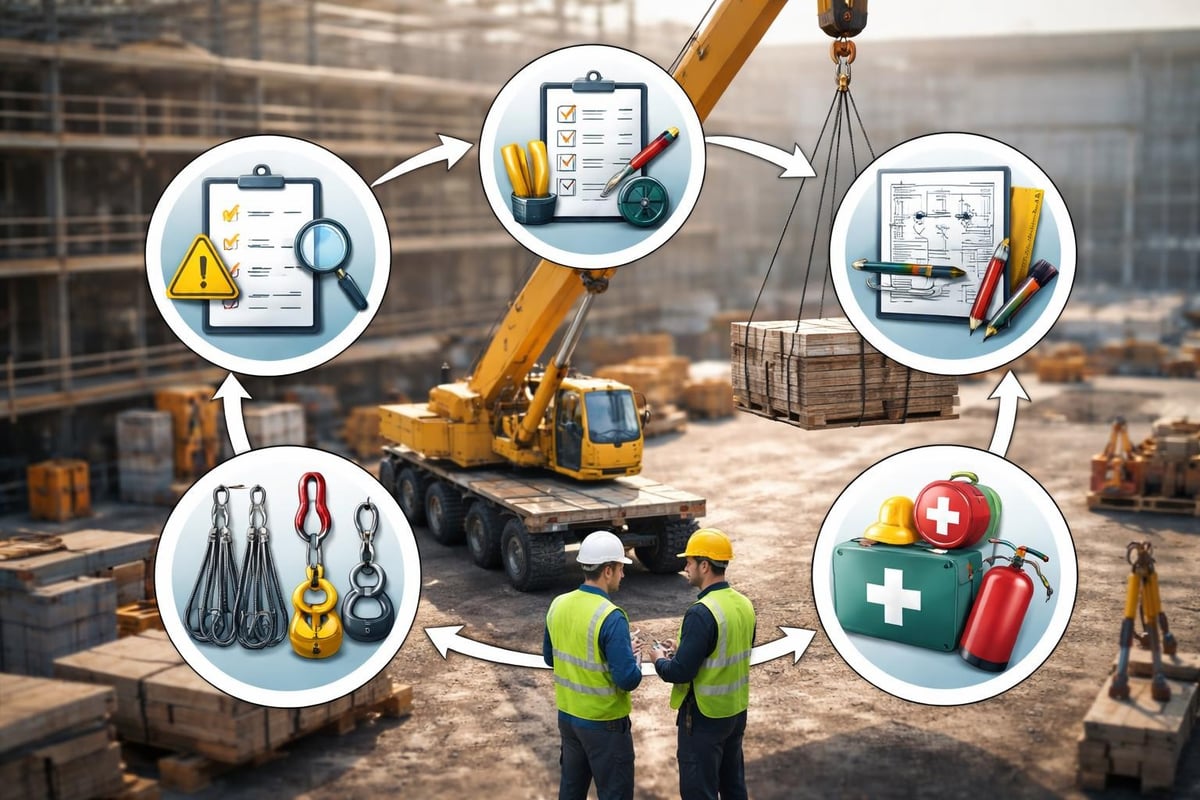
Beyond equipment examination, lifting equipment LOLER regulations require that every lifting operation is properly planned, appropriately supervised and carried out safely. This operational aspect of compliance is equally important to the examination regime.
Lift Planning Fundamentals
Every lifting operation must be planned by a competent person before it takes place. The complexity of the plan should reflect the complexity and risk of the lift. Routine, low-risk lifts may require simple planning, whilst complex operations demand detailed written lift plans.
A comprehensive lift plan addresses:
The load characteristics (weight, dimensions, centre of gravity)
Environmental conditions (wind, space restrictions, overhead hazards)
Equipment selection and configuration
Positioning and movement paths
Personnel roles and communication methods
Emergency procedures
For particularly complex or high-risk lifts, such as tandem lifts involving multiple cranes or lifts near overhead power lines, detailed written plans with diagrams and step-by-step procedures are essential. These plans should be reviewed by competent persons and communicated clearly to all involved personnel.
Supervision Requirements
LOLER mandates appropriate supervision of lifting operations. The level of supervision required depends on the complexity of the operation, the experience of operators and the risks involved.
Supervision might involve:
Direct oversight by a competent person for complex operations
Periodic checks by supervisors for routine operations
Remote monitoring systems for automated equipment
Clear protocols for reporting concerns or incidents
Operators must receive adequate training specific to the equipment they use and the operations they perform. Generic training is insufficient; competence must extend to the specific equipment models, attachments and typical lifting scenarios encountered in the workplace.
Documentation and Record Keeping
Maintaining comprehensive records is both a legal requirement under lifting equipment LOLER and a practical necessity for managing compliance effectively. Documentation provides evidence of due diligence and creates an audit trail demonstrating ongoing safety management.
Examination Reports
Following each thorough examination, the competent person must complete a report within 28 days. This report must include specific information prescribed by the regulations.
Required Information | Details |
|---|---|
Examination date | When the examination was conducted |
Equipment identification | Unique identifier, location, description |
Safe working load | Maximum capacity for the equipment |
Defects identified | Description of any defects affecting safety |
Latest date for next examination | Deadline for subsequent examination |
Competent person details | Name, qualifications, employer |
Employer details | Name and address of equipment owner |
Reports must be sent to the person who has control over the equipment. If defects represent an existing or imminent risk of serious personal injury, the competent person must inform both the employer and the relevant enforcing authority (usually the HSE) immediately.
Businesses must retain examination reports and make them available for inspection. Records relating to current equipment must be kept until the next examination report is received. For equipment no longer in use, records should typically be retained for at least two years.
Defect Management
When examinations identify defects, lifting equipment LOLER compliance requires systematic management of these findings. Minor defects that do not affect immediate safety should be recorded and addressed through planned maintenance. Significant defects that could cause danger must result in immediate action.
Defect response protocols should include:
Immediate removal from service for dangerous defects
Clear marking indicating equipment is not to be used
Repair authorisation and scheduling procedures
Verification of repairs before returning to service
Updated records reflecting defect resolution
Understanding inspection frequency requirements helps businesses plan maintenance budgets and operational schedules around statutory obligations.
Common Compliance Challenges
Many organisations struggle with specific aspects of lifting equipment LOLER compliance. Recognising these common challenges helps businesses develop strategies to address them proactively.
Equipment Identification and Inventory
Maintaining an accurate inventory of all lifting equipment and accessories is surprisingly difficult for many businesses. Equipment may be distributed across multiple sites, stored in various locations or acquired through different purchasing routes without central coordination.
Effective inventory management requires:
Unique identification marking for each item
Central register with equipment details and locations
Regular audits to verify inventory accuracy
Processes for recording new equipment acquisitions
Decommissioning procedures for obsolete equipment
Without accurate inventories, businesses risk missing examinations, using equipment beyond its safe life or failing to identify all items requiring compliance attention.
Managing Examination Schedules
Coordinating examinations across diverse equipment types with different intervals presents logistical challenges. Missing examination deadlines constitutes a breach of LOLER and exposes businesses to enforcement action and increased risk.
Successful schedule management typically involves:
Centralised scheduling systems with automated reminders
Engagement of inspection providers well in advance of deadlines
Contingency time built into schedules
Clear responsibilities for booking and coordinating examinations
Regular review of upcoming examination requirements
Many businesses find that engaging a regular inspection partner who maintains their examination schedules provides reliability and reduces administrative burden.
Competence Verification
Ensuring that those planning lifts, supervising operations and examining equipment genuinely possess the necessary competence can be challenging. Competence is not simply about holding certificates; it requires appropriate knowledge, experience and continuing professional development.
Businesses should establish clear competence criteria for different roles, maintain training records and regularly review whether personnel remain suitably qualified for their responsibilities. For examination services, verifying the competence of external providers through professional accreditations and membership of relevant bodies provides assurance.
Integration with Broader Safety Management
Lifting equipment LOLER compliance should not exist in isolation but integrate seamlessly with wider health and safety management systems. This integration enhances efficiency and ensures that lifting safety receives appropriate attention within overall risk management frameworks.
Connection to Other Regulations
LOLER intersects with several other statutory requirements. PUWER regulations apply to lifting equipment alongside LOLER, addressing general equipment safety aspects. The Management of Health and Safety at Work Regulations require risk assessments that must consider lifting operations. Construction Design and Management regulations impose additional duties for lifting in construction environments.
Understanding how these different regulatory frameworks interact prevents duplication whilst ensuring comprehensive compliance. A well-designed inspection programme addresses multiple statutory requirements efficiently.
Risk Assessment and Method Statements
Generic risk assessments for lifting operations provide foundation documents that inform specific lift planning. These assessments should identify common hazards, typical control measures and circumstances requiring additional planning attention.
Method statements for routine lifting tasks create standardised approaches that ensure consistency and competence. Combined with risk assessments (RAMS), these documents support both LOLER compliance and broader safety culture development.
Training and Competence Development
Ongoing training programmes ensure that operators, supervisors and planners maintain and develop their competence. Training should cover:
Regulatory requirements and their practical application
Equipment-specific operation and safety features
Hazard recognition and risk assessment
Emergency procedures and incident response
Reporting responsibilities and communication protocols
Regular refresher training addresses competence drift and ensures awareness of regulatory updates or changes in operational practices.
Sector-Specific Considerations
Different industries face unique lifting equipment LOLER challenges reflecting their operational characteristics and equipment types. Tailoring compliance approaches to sector-specific needs enhances effectiveness.
Manufacturing and Production
Manufacturing environments typically employ diverse lifting equipment from small chain hoists to substantial overhead cranes. High utilisation rates and production pressures can create tension between operational demands and examination schedules. Manufacturing facilities benefit from planned examination programmes that align with production cycles, minimising disruption whilst maintaining compliance.
Contamination from production processes may accelerate equipment deterioration, potentially requiring more frequent examinations than standard intervals. Competent persons should consider operational environments when establishing examination schemes.
Warehousing and Logistics
Warehouse operations rely heavily on forklift trucks, pallet trucks and dock equipment. Whilst forklifts primarily fall under PUWER, any attachments that enable lifting operations may bring them within LOLER scope. Dock levellers, tail lifts and loading bay equipment definitely require LOLER compliance.
High-volume operations with multiple shifts can make scheduling examinations challenging. Businesses often need to coordinate examinations during quieter periods or maintain spare equipment to enable rotational examinations without operational disruption.
Healthcare and Social Care
Patient hoisting equipment in hospitals and care homes presents specific compliance considerations. These devices lift people, requiring six-monthly examinations under LOLER. The consequences of equipment failure are particularly severe, making rigorous compliance essential.
Healthcare environments must balance infection control requirements with examination needs, sometimes requiring specialised cleaning protocols before and after inspections. Record keeping must integrate with patient safety systems and care quality frameworks.
Enforcement and Penalties
The Health and Safety Executive and local authorities enforce lifting equipment LOLER compliance through workplace inspections, investigations following incidents and responses to complaints. Understanding enforcement approaches helps businesses appreciate the seriousness of their obligations.
Improvement and Prohibition Notices
When inspectors identify non-compliance, they may issue improvement notices requiring specific actions within defined timescales. More serious breaches, particularly where there is risk of serious personal injury, can result in prohibition notices immediately stopping the use of equipment or specific operations.
Failure to comply with statutory notices constitutes a criminal offence with significant penalties. Beyond formal notices, inspectors may write to businesses highlighting concerns and expecting responses detailing corrective actions.
Prosecutions and Penalties
Breaches of LOLER can result in criminal prosecution. Following the introduction of sentencing guidelines in 2016, courts impose substantially higher fines for health and safety offences than previously. Large organisations can face fines running into millions of pounds for serious breaches.
Beyond financial penalties, prosecutions damage reputation, affect insurance premiums and can result in director disqualification in the most serious cases. Individual managers and directors may face personal prosecution where their conduct falls significantly below expected standards.
Incident Investigation
When lifting equipment is involved in incidents resulting in serious injury or fatality, extensive HSE investigations typically follow. These investigations examine not only immediate causes but also underlying management failures, adequacy of examination regimes and broader safety culture issues.
Businesses that cannot demonstrate systematic compliance with lifting equipment LOLER requirements face substantially increased likelihood of prosecution following incidents. Comprehensive records and robust systems provide crucial evidence of due diligence.
Best Practice Approaches
Moving beyond minimum compliance to best practice delivers enhanced safety outcomes and operational benefits. Leading organisations implement sophisticated lifting equipment management systems that embed safety into operational culture.
Proactive Maintenance Programmes
Whilst thorough examinations are statutory requirements, proactive maintenance between examinations reduces defect rates and equipment failures. Planned preventive maintenance schedules based on manufacturer recommendations and operational experience keep equipment in optimal condition.
Effective maintenance programmes include:
Regular lubrication and adjustment procedures
Component replacement before failure occurs
Condition monitoring for critical equipment
Maintenance records linked to examination findings
Technician competence requirements and training
Businesses that invest in preventive maintenance often find that subsequent thorough examinations identify fewer defects, reducing downtime and repair costs.
Digital Management Systems
Technology increasingly supports lifting equipment LOLER compliance through digital asset management platforms. These systems can:
Maintain comprehensive equipment registers with photographs and specifications
Automate examination scheduling and reminder notifications
Store examination reports and maintenance records electronically
Generate compliance dashboards and management reports
Track defect rectification and equipment status
Provide mobile access for operators and supervisors
Digital systems improve accuracy, accessibility and audit capability compared to paper-based approaches. Integration with maintenance management and procurement systems creates seamless information flow across asset lifecycles.
Culture and Communication
Technical compliance systems only deliver their potential when supported by strong safety culture. This requires visible leadership commitment, clear communication and genuine engagement with those working with lifting equipment daily.
Operators often identify emerging issues before formal examinations. Creating reporting channels that encourage early defect reporting, near-miss communication and improvement suggestions harnesses frontline knowledge. Regular toolbox talks and safety briefings keep lifting safety prominent in operational consciousness.
Effective management of lifting equipment LOLER compliance protects employees, demonstrates regulatory diligence and supports operational reliability across all sectors using lifting equipment. The regulatory framework, whilst detailed, provides clear guidance on examination requirements, operational planning and documentation obligations that businesses must meet. For organisations seeking expert support with their statutory inspection obligations, Workplace Inspection Services Ltd delivers nationwide, independent engineering inspections across LOLER, PUWER, PSSR and COSHH/LEV requirements, helping businesses maintain compliance, reduce risk and ensure safe working environments.