Lift Inspections: Essential Guide to Safety & Compliance
Lift Inspections: Essential Guide to Safety & Compliance
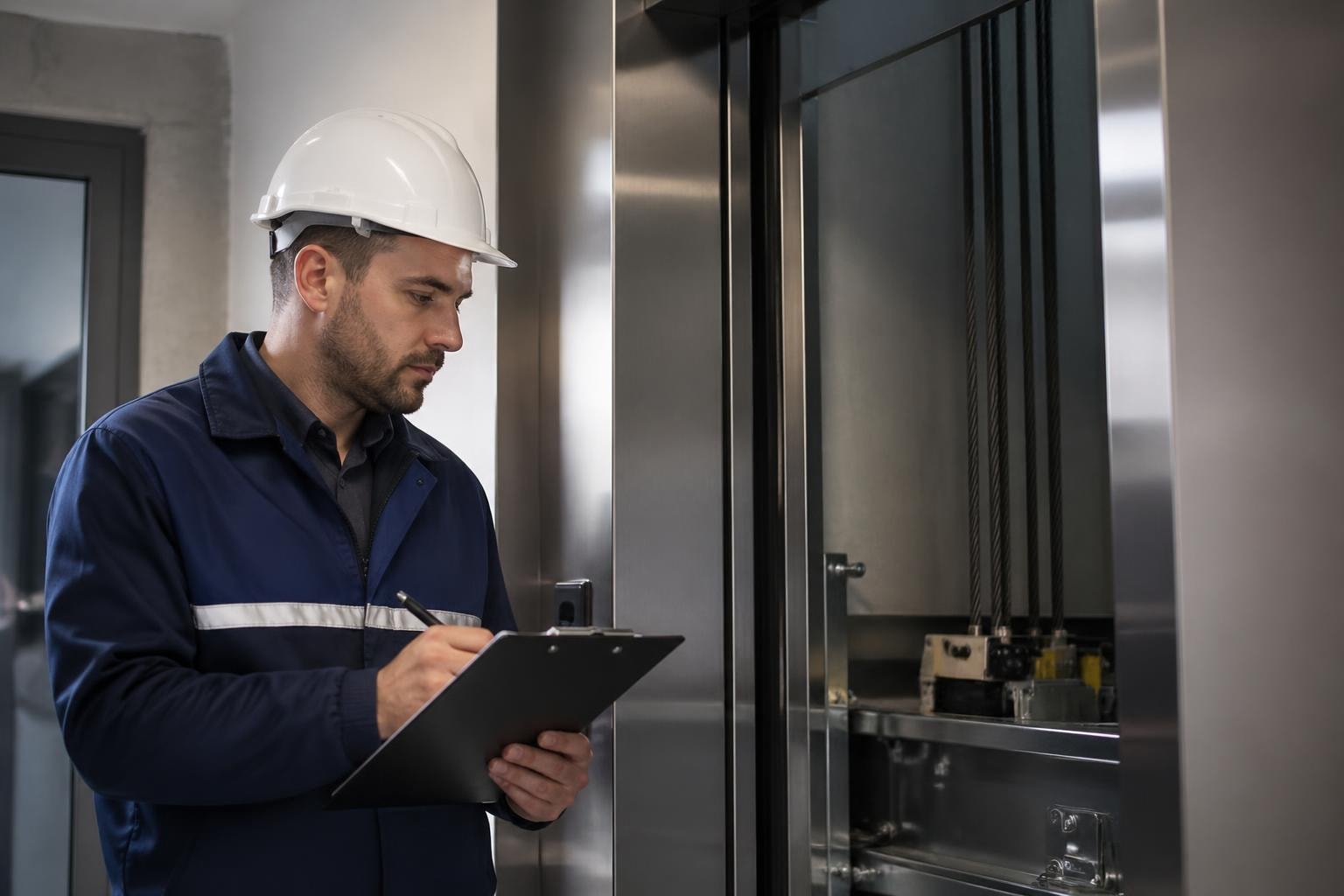
Lift inspections form a critical component of workplace safety management, ensuring that lifting equipment operates reliably whilst protecting employees and visitors from potential hazards. Whether examining passenger lifts in commercial buildings, goods lifts in warehouses, or specialised lifting platforms in industrial environments, systematic inspections help organisations identify defects, maintain regulatory compliance and prevent costly accidents. Understanding the requirements, frequency and scope of lift inspections enables businesses to develop robust safety protocols that safeguard both people and assets.
Legal Framework Governing Lift Inspections
The regulatory landscape surrounding lift inspections in the UK centres primarily on the Lifting Operations and Lifting Equipment Regulations 1998, commonly known as LOLER. These regulations mandate that all lifting equipment, including passenger and goods lifts, undergo thorough examination by a competent person at specified intervals. LOLER complements broader health and safety legislation, creating a comprehensive framework designed to prevent injuries and fatalities associated with lifting operations.
Beyond LOLER, organisations must also consider the Provision and Use of Work Equipment Regulations 1998 (PUWER), which establishes general requirements for equipment maintenance and safety. The Health and Safety at Work Act 1974 provides the overarching duty of care that employers owe to employees and others affected by their operations. Together, these regulations create multiple layers of accountability, ensuring lift inspections receive appropriate attention from senior management.
Understanding inspection regulations helps businesses navigate their legal obligations effectively. Failure to comply with statutory requirements can result in enforcement notices, substantial fines and even prosecution in cases where negligence leads to serious injury. Insurance companies frequently require evidence of regular inspections before providing cover, making compliance both a legal and commercial necessity.
Types of Lifts Requiring Regular Inspection
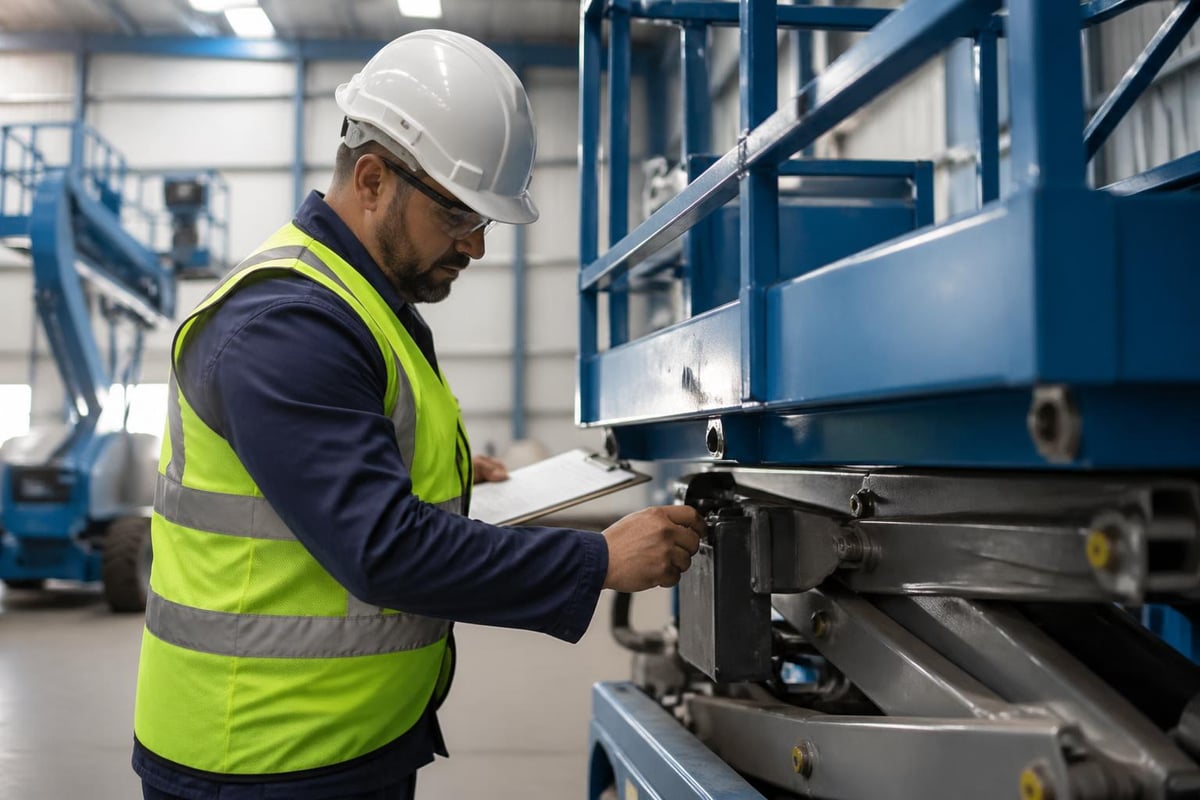
Different categories of lifts present unique inspection challenges and regulatory requirements. Passenger lifts, commonly found in office buildings, residential developments and retail centres, must meet stringent safety standards due to their high usage and public access. These systems typically incorporate multiple safety mechanisms, including overspeed governors, emergency brakes and door interlocks, all of which require systematic examination.
Goods Lifts and Service Lifts
Goods lifts operate in warehouses, factories and commercial kitchens, transporting materials rather than passengers. Whilst these systems may experience less frequent use than passenger lifts, they often handle substantial loads that place considerable stress on mechanical components. Service lifts, sometimes called dumbwaiters, represent smaller systems typically used in hospitality environments to move food, laundry or supplies between floors.
The inspection approach for each lift type varies based on usage patterns, load capacity and environmental conditions. Industrial environments may expose lifting equipment to dust, moisture or corrosive substances that accelerate component deterioration. Recognising these factors helps inspectors identify potential failure points before they compromise safety.
Lift Type | Primary Use | Typical Load Capacity | Inspection Focus Areas |
|---|---|---|---|
Passenger Lift | People transport | 450-2500 kg | Safety circuits, door mechanisms, emergency systems |
Goods Lift | Material handling | 500-5000 kg | Structural integrity, load sensors, platform condition |
Service Lift | Small items | 50-300 kg | Guide rails, pulleys, electrical controls |
Platform Lift | Accessibility | 250-400 kg | Platform edges, control buttons, emergency lowering |
Inspection Intervals and Scheduling Requirements
LOLER mandates thorough examination at intervals determined by risk assessment, with a maximum period of 12 months for most lifting equipment. However, many organisations opt for more frequent inspections based on usage intensity, environmental conditions or manufacturer recommendations. High-traffic passenger lifts in busy commercial buildings might benefit from six-monthly examinations, whilst infrequently used goods lifts in controlled environments may safely operate on annual schedules.
Establishing appropriate inspection frequency requires careful consideration of multiple factors. The competent person conducting examinations should assess historical performance, maintenance records and any incidents or near-misses when recommending inspection intervals. This risk-based approach ensures resources focus where they deliver maximum safety benefit.
Beyond statutory thorough examinations, operators should conduct daily or weekly pre-use checks depending on the equipment type. These informal inspections help identify obvious defects, unusual noises or operational irregularities that might indicate emerging problems. Documentation of these routine checks demonstrates due diligence and creates an audit trail supporting compliance efforts.
Pre-Operation and Routine Checks
Daily visual inspections by lift operators or building maintenance staff complement formal examinations by competent persons. These checks should verify that emergency lighting functions correctly, alarm systems respond appropriately and door mechanisms operate smoothly. According to lift safety protocols, operators must confirm that safety devices activate properly before placing equipment into service.
Key daily inspection points include:
Visual examination of doors and gates for damage or misalignment
Testing emergency stop buttons and alarm systems
Checking for unusual sounds, vibrations or movements
Verifying adequate lighting in lift cars and surrounding areas
Confirming floor level accuracy and smooth stopping
These routine checks take minutes to complete but provide early warning of developing faults. Encouraging a culture where operators report anomalies promptly helps prevent minor issues from escalating into serious safety hazards.
Components Examined During Thorough Inspections
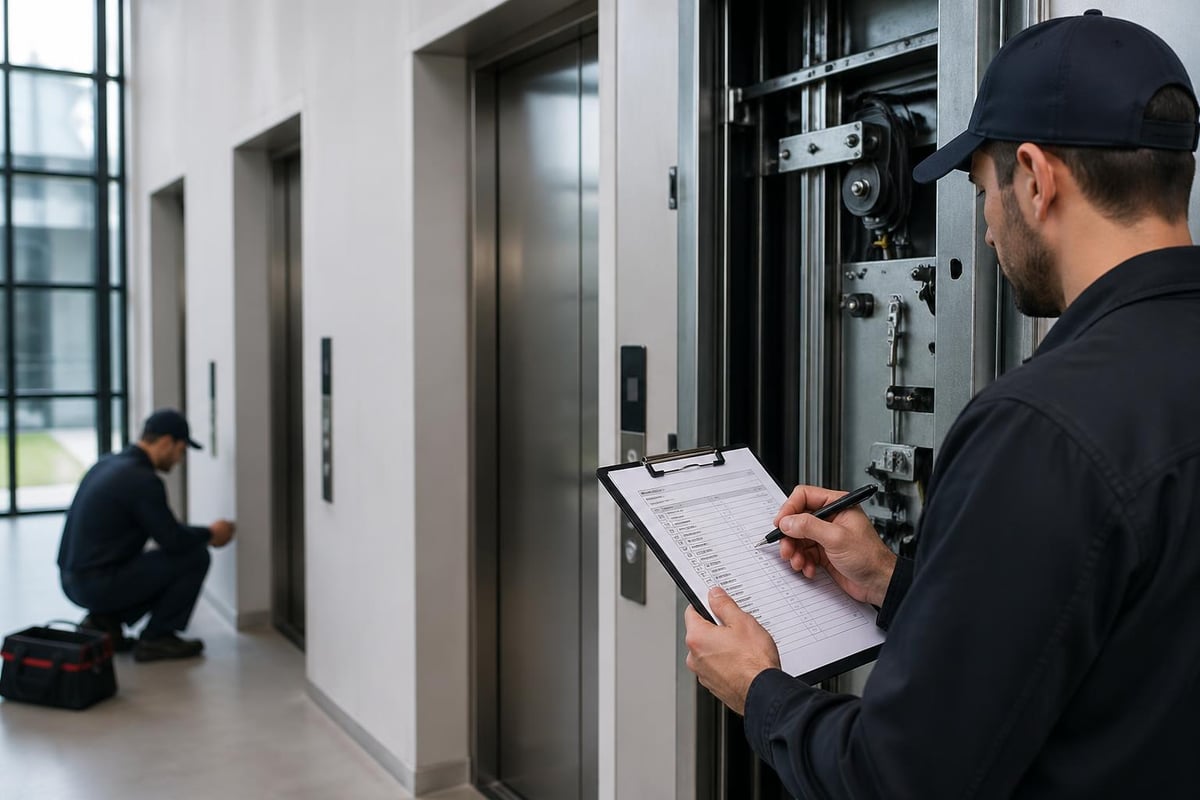
Comprehensive lift inspections involve systematic examination of mechanical, electrical and structural components that contribute to safe operation. Inspectors assess wire ropes or chains for wear, corrosion and proper tension, as these elements bear the entire load during operation. Even minor degradation of suspension systems can lead to catastrophic failure, making this examination particularly critical.
Safety devices receive intense scrutiny during thorough examinations. Overspeed governors must activate reliably if the lift car descends too quickly, whilst buffers at the bottom of the shaft provide final protection against impact. Door interlocks prevent operation when doors remain open, and these mechanisms must function flawlessly under all conditions. Testing these systems often requires specialised equipment and expertise.
Structural elements including guide rails, car frames and counterweights undergo visual and sometimes dimensional inspection. Metal fatigue, stress cracks or deformation might not manifest in operational problems immediately but indicate potential future failures. Hydraulic systems in some lift types require additional attention to seals, fluid levels and pressure relief valves.
Typical inspection checklist components:
Suspension systems (ropes, chains, pulleys)
Safety devices (governors, brakes, buffers)
Door mechanisms and interlocks
Control systems and emergency controls
Structural elements and mounting points
Electrical systems and earthing
Emergency lighting and communication
Load testing at specified intervals
The LOLER inspections service provided by specialist companies ensures all these elements receive appropriate attention from qualified engineers who understand the complex interplay between different systems.
Documentation and Record-Keeping Requirements
Maintaining accurate inspection records fulfils legal obligations whilst providing valuable operational intelligence. Each thorough examination must generate a written report identifying the lift, documenting findings and specifying any defects discovered. Serious defects requiring immediate attention must be highlighted clearly, along with recommended timescales for remedial action.
Retention Periods and Accessibility
Organisations must retain inspection reports until the next examination occurs, though best practice suggests keeping records for considerably longer periods. Historical data helps identify recurring problems, demonstrates compliance during enforcement visits and supports insurance claims if incidents occur. Digital record systems offer advantages over paper files, enabling quick retrieval and analysis whilst reducing storage requirements.
Inspection reports should remain accessible to employees, safety representatives and enforcement authorities upon request. Transparency builds confidence in safety management systems and demonstrates organisational commitment to regulatory compliance. Some businesses display summary certificates in prominent locations, though detailed technical reports need not be publicly visible.
Document Type | Minimum Retention | Recommended Retention | Primary Purpose |
|---|---|---|---|
Thorough Examination Report | Until next report | 5 years | Legal compliance, defect tracking |
Maintenance Records | 2 years | 5 years | Performance monitoring, warranty claims |
Incident Reports | 3 years | Indefinitely | Risk assessment, trend analysis |
Load Test Certificates | Until next test | 10 years | Capacity verification, liability protection |
According to elevator maintenance requirements, proper documentation practices form an essential component of comprehensive safety management systems.
Identifying and Addressing Common Defects
Experienced inspectors recognise patterns indicating specific types of deterioration or misuse. Worn door rollers create excessive noise and jerky movements, whilst frayed wire ropes show individual strand breaks that compromise overall strength. Hydraulic fluid leaks point to seal degradation that might affect braking performance, and corroded electrical connections increase fire risk whilst reducing system reliability.
Not all defects require immediate shutdown. Inspectors classify findings based on severity, distinguishing between items requiring urgent attention and those suitable for correction during planned maintenance. This risk-based approach prevents unnecessary service disruptions whilst ensuring genuinely dangerous conditions receive immediate remediation.
Common defect categories include:
Critical defects: Immediate shutdown required (broken suspension elements, failed safety devices)
Major defects: Repair within specified timeframe (excessive wear, degraded performance)
Minor defects: Address during next scheduled maintenance (cosmetic damage, non-critical component wear)
Observations: Items for monitoring (early-stage wear, operational inefficiencies)
Understanding these categories helps organisations prioritise maintenance budgets effectively whilst maintaining appropriate safety standards. Regular dialogue between inspectors and maintenance teams ensures everyone understands the rationale behind recommendations.
Competent Person Requirements and Qualifications
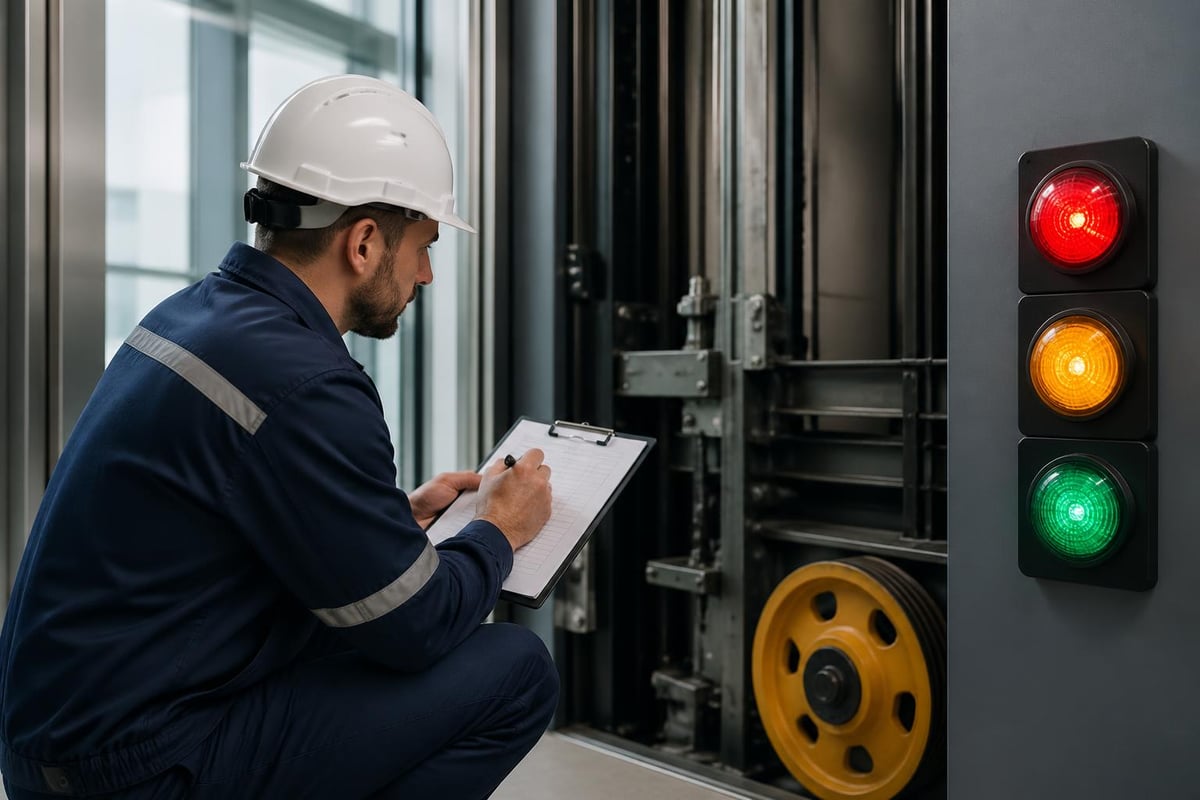
LOLER requires thorough examinations by competent persons possessing appropriate combinations of training, qualifications and experience. For complex lift systems, this typically means chartered engineers or technicians holding recognised certifications in lift engineering. The competent person must understand not only mechanical principles but also relevant regulations and industry standards.
Professional bodies including the Institution of Mechanical Engineers and the Chartered Institution of Building Services Engineers provide frameworks for demonstrating competence. Many inspection companies employ engineers holding NVQ Level 3 or higher qualifications in lift engineering, supplemented by manufacturer-specific training for proprietary systems. Continuing professional development ensures competent persons maintain current knowledge as technology evolves.
Organisations should verify inspector credentials before engaging services. Independent inspection companies like those specialising in statutory workplace inspections typically provide qualified engineer details and certification evidence upon request. This transparency helps businesses fulfil their duty of care whilst accessing genuine expertise.
Internal Versus External Inspection Resources
Larger organisations sometimes employ in-house engineers to conduct thorough examinations, provided these individuals meet competency requirements and maintain appropriate independence. However, many businesses prefer independent inspection companies that bring fresh perspectives unconstrained by internal politics or budget pressures. External inspectors may identify issues that internal teams overlook through familiarity or organisational pressure.
The choice between internal and external resources depends on factors including lift portfolio size, available expertise and budget considerations. Hybrid approaches combining internal daily checks with external thorough examinations often deliver optimal results, balancing cost efficiency with independent oversight.
Maintenance Planning and Preventive Strategies
Effective lift maintenance extends beyond reactive repairs following inspection findings. Preventive maintenance programmes address wear items before they fail, reducing unexpected breakdowns and extending equipment lifespan. Systematic lubrication, adjustment and component replacement based on manufacturer schedules keeps systems operating smoothly between formal inspections.
Modern lift installations increasingly incorporate remote monitoring systems that track performance parameters continuously. These systems alert maintenance teams to developing problems, enabling intervention before failures occur. Predictive maintenance approaches analyse trends in temperature, vibration and electrical consumption to forecast component failures weeks or months in advance.
Integration between inspection findings and maintenance planning creates a virtuous cycle of continuous improvement. Recurring defects indicate systemic issues requiring design modifications or operational changes rather than repeated repairs. Following lift maintenance guidelines helps organisations develop comprehensive programmes addressing both statutory requirements and operational efficiency.
Essential maintenance programme elements:
Scheduled lubrication of moving components
Periodic adjustment of brakes and governors
Replacement of wear items at recommended intervals
Cleaning of electrical contacts and control panels
Testing of emergency systems and backup power
Updating of software and control systems
Review and refinement based on inspection feedback
Special Considerations for Different Industries
Industry-specific factors influence lift inspection approaches and frequencies. Manufacturing facilities using goods lifts in dusty or corrosive environments require more frequent examinations than climate-controlled office buildings. Healthcare settings demand particular attention to hygiene, emergency response capabilities and patient safety considerations when inspecting lifts serving clinical areas.
Hotels and residential buildings face unique challenges balancing accessibility requirements with maintenance scheduling around occupant convenience. Hotels and cafes often prefer overnight or early morning inspections to minimise guest disruption, whilst care homes must ensure continuous access for residents with mobility limitations.
Educational institutions including schools benefit from scheduling major inspections during holiday periods when buildings experience reduced occupancy. This timing allows thorough examination without compromising student safety or educational activities. Similarly, warehouses might coordinate inspections with inventory reduction periods to facilitate access to goods lifts.
Environmental Factors Affecting Inspection Scope
Lifts operating in challenging environments require enhanced inspection protocols. Coastal locations expose equipment to salt-laden air accelerating corrosion, whilst facilities handling chemicals or foodstuffs might contaminate mechanical components. Temperature extremes affect lubricant performance and material properties, creating additional inspection considerations.
Inspectors must adjust examination techniques based on these environmental factors. Ultrasonic testing might supplement visual inspection in corrosive environments, whilst vibration analysis helps identify bearing problems developing in high-duty applications. Understanding how environment affects equipment performance enables more effective risk assessment and appropriate inspection interval determination.
Cost Implications and Budgeting Considerations
Lift inspection costs vary based on equipment type, complexity and geographic location. Simple goods lifts might cost several hundred pounds for annual thorough examination, whilst sophisticated passenger lift systems in high-rise buildings command premium rates reflecting the expertise and time required. Load testing, when required, adds additional expense but provides essential verification of structural integrity.
Organisations should view inspection costs as insurance against far greater expenses associated with accidents, enforcement action or unplanned breakdowns. A comprehensive inspection revealing emerging problems enables planned maintenance during convenient periods, avoiding emergency callouts charging premium rates. The financial case for regular inspections becomes compelling when considering potential liability claims, lost productivity and reputational damage following serious incidents.
Budget planning considerations include:
Annual thorough examination fees
Periodic load testing at specified intervals
Remedial work addressing inspection findings
Emergency repair contingency funds
Maintenance contract costs between inspections
Insurance premium adjustments based on compliance status
According to research on vehicle lift inspection standards, organisations maintaining rigorous inspection schedules experience fewer unexpected failures and lower overall maintenance costs compared to those adopting minimal compliance approaches.
Technology Integration and Modern Inspection Methods
Technological advancement transforms lift inspection methodologies and capabilities. Digital inspection tools enable real-time data capture, eliminating transcription errors whilst accelerating report generation. Tablet computers running specialised software guide inspectors through systematic examination procedures, ensuring consistency and completeness across multiple sites and engineers.
Non-destructive testing technologies including ultrasonic thickness measurement, thermal imaging and vibration analysis supplement traditional visual examination. These techniques detect internal defects, stress concentrations and developing failures invisible to naked eye inspection. Drones equipped with cameras access lift shafts and remote areas safely, reducing inspector risk whilst improving examination thoroughness.
Technology | Application | Primary Benefit | Typical Cost Range |
|---|---|---|---|
Ultrasonic Testing | Rope and structural examination | Detects internal defects | £500-2000 per inspection |
Thermal Imaging | Electrical system assessment | Identifies overheating components | £300-1000 per inspection |
Vibration Analysis | Bearing and motor condition | Predicts component failures | £400-1500 per system |
Digital Reporting | Documentation and tracking | Improves accuracy and accessibility | £50-200 per month subscription |
Integration with building management systems enables automated scheduling, compliance tracking and performance monitoring. Organisations managing multiple properties benefit particularly from centralised dashboards providing visibility across entire lift portfolios. This strategic perspective supports informed decision-making about maintenance priorities and capital replacement programmes.
Training and Operator Responsibilities
Whilst competent persons conduct thorough examinations, lift operators and building managers play crucial roles in ongoing safety management. Appropriate training ensures these individuals understand their responsibilities, recognise potential problems and respond appropriately to emergencies. Even basic awareness training significantly improves safety culture and compliance outcomes.
Operator training should cover daily inspection procedures, emergency protocols and when to withdraw equipment from service. Understanding limitations prevents unsafe practices such as overloading or attempting to operate malfunctioning lifts. Resources such as aerial lift inspection guidelines provide valuable reference material supporting operator education programmes.
Essential operator training topics include:
Pre-use inspection procedures and documentation
Recognition of abnormal sounds, movements or performance
Proper loading techniques and capacity limitations
Emergency response including passenger communication
When to contact maintenance services or inspectors
Basic troubleshooting for minor operational issues
Regular refresher training reinforces key messages and updates operators on procedural changes or lessons learned from incidents. Investment in comprehensive training programmes pays dividends through improved safety outcomes and reduced equipment damage from operator error.
Responding to Inspection Findings and Defects
Receiving an inspection report identifying defects requires prompt, systematic response. Critical defects demanding immediate shutdown must be addressed before resuming operations, even if this causes significant inconvenience. Attempting to continue using defective equipment exposes organisations to catastrophic liability and demonstrates wilful disregard for safety regulations.
Major defects typically specify remediation timescales based on risk assessment. Organisations must schedule repairs within these periods, documenting progress and completion. Engaging qualified maintenance contractors familiar with the specific lift type ensures repairs meet appropriate standards. Temporary measures such as reduced load limits or restricted access might mitigate risks whilst awaiting permanent repairs.
The compliance hub resources help organisations understand their obligations following inspection findings. Systematic defect tracking ensures nothing falls through administrative cracks, whilst regular management review demonstrates senior leadership commitment to safety. Communication with employees and lift users about defect status and expected resolution timescales maintains confidence in safety management systems.
Dispute Resolution and Second Opinions
Occasionally organisations question inspection findings or recommended actions. Legitimate concerns about technical interpretation warrant discussion with the competent person, who should explain the rationale supporting conclusions. However, dismissing inconvenient findings without genuine technical basis constitutes dangerous complacency.
Where genuine disagreement exists, seeking a second opinion from another qualified inspector provides independent perspective. This approach differs fundamentally from "opinion shopping" until finding an inspector who overlooks problems. Reputable inspection companies welcome technical discussion and can usually resolve concerns through detailed explanation of findings and regulatory requirements.
International Standards and Best Practices
Whilst UK regulations establish minimum requirements, international standards provide additional guidance on best practices. European standards including EN 81-20 and EN 81-50 address lift construction and installation, establishing safety requirements recognised globally. Understanding global elevator maintenance standards helps organisations operating internationally maintain consistent safety approaches across jurisdictions.
The American Society of Mechanical Engineers (ASME) publishes widely respected standards including A17.1 covering lift design, construction and maintenance. Though not directly applicable in the UK, these standards inform best practice approaches and provide valuable technical reference. Cross-referencing multiple standards frameworks ensures comprehensive coverage of potential safety considerations.
British Standards Institution publications including BS EN 81 series and BS 7255 offer detailed technical guidance complementing regulatory requirements. Professional inspection companies stay current with evolving standards, ensuring examination methodologies incorporate latest safety thinking and technological capabilities.
Key international standards influencing UK practice:
EN 81-20: Safety rules for construction and installation of lifts
EN 81-50: Design rules, calculations and examinations
ASME A17.1: Safety code for elevators and escalators
ISO 25745: Energy performance assessment
BS 7255: Code of practice for safe working on lifts
Effective lift inspection programmes combine regulatory compliance with genuine commitment to workplace safety, protecting both people and business interests. Understanding statutory requirements, implementing systematic examination schedules and responding promptly to identified defects creates a robust framework supporting safe operations. Whether managing passenger lifts in commercial buildings or goods lifts in industrial settings, partnering with qualified specialists ensures thorough examinations meet the highest standards. Workplace Inspection Services Ltd provides comprehensive statutory inspection services across the UK, supporting businesses in maintaining compliance, reducing risk and ensuring safe working environments through expert LOLER examinations and related engineering inspections.