Health and Safety Testing: A Complete Guide for 2026
Health and Safety Testing: A Complete Guide for 2026

Health and safety testing forms the cornerstone of modern workplace protection, ensuring employees return home safely whilst organisations meet their legal obligations. As businesses across the United Kingdom navigate increasingly complex regulatory frameworks in 2026, understanding the principles, methodologies and practical applications of health and safety testing has never been more critical. From manufacturing facilities to construction sites, systematic testing protocols identify hazards, verify control measures and provide documented evidence of compliance with statutory requirements.
Understanding Health and Safety Testing Fundamentals
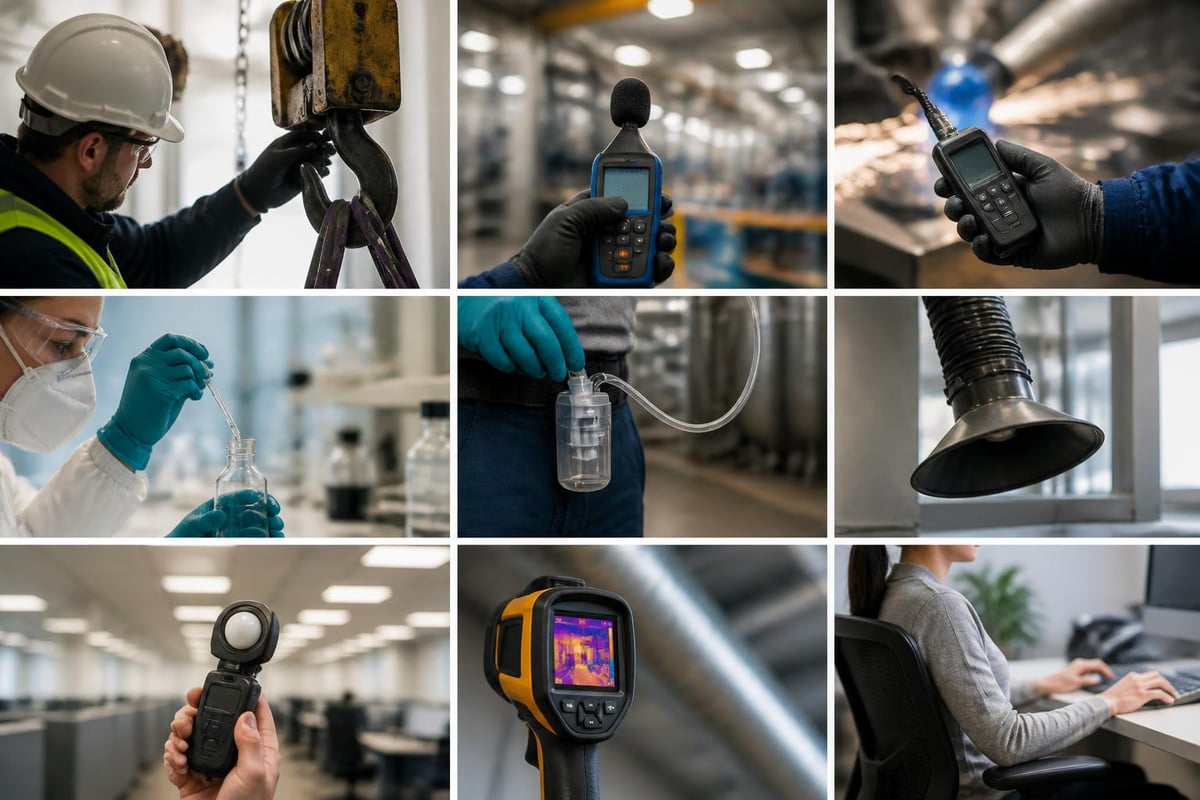
Health and safety testing encompasses a broad range of evaluative procedures designed to identify workplace hazards, assess risks and verify that control measures function effectively. These systematic examinations go beyond simple visual inspections, incorporating technical assessments, environmental monitoring and equipment performance verification.
The primary objective centres on preventing occupational injuries, illnesses and fatalities through proactive hazard identification. Testing programmes provide quantifiable data that informs decision-making, allowing organisations to allocate resources effectively and prioritise interventions where they deliver maximum protective benefit.
The Legal Framework Driving Testing Requirements
UK legislation mandates specific testing protocols across various workplace scenarios. The Health and Safety at Work Act 1974 establishes the fundamental duty of care, whilst subordinate regulations prescribe detailed testing obligations for particular equipment types and hazardous situations.
These statutory requirements include regular examinations of lifting equipment, pressure systems, work equipment and exposure control measures. Understanding inspection regulations helps businesses identify which testing obligations apply to their specific operations and determine appropriate inspection frequencies.
Non-compliance carries significant consequences:
Unlimited fines for serious breaches
Potential imprisonment for responsible individuals
Enforcement notices halting operations
Reputational damage affecting client relationships
Increased insurance premiums
Civil liability for workplace injuries
Types of Health and Safety Testing Methodologies
Different workplace hazards demand specific testing approaches, each employing distinct methodologies and technical competencies. Understanding these variations ensures organisations implement appropriate testing programmes that address their unique risk profiles.
Equipment and Machinery Testing
Statutory testing of workplace equipment represents a substantial component of health and safety testing across industrial sectors. These examinations verify that machinery, tools and apparatus remain safe for continued use and comply with design specifications.
Equipment Type | Regulation | Testing Focus | Typical Frequency |
|---|---|---|---|
Lifting Equipment | LOLER 1998 | Structural integrity, safety devices, load capacity | 6-12 months |
Work Equipment | PUWER 1998 | Guards, controls, stability, suitability | Annually |
Pressure Systems | PSSR 2000 | Vessel condition, safety valves, operating limits | Varies by risk |
Power Presses | HSG 236 | Guards, two-hand controls, brake systems | Quarterly/annually |
LOLER inspection services ensure lifting equipment undergoes thorough examination by competent persons who assess wear patterns, structural integrity and the effectiveness of safety-critical components.
Environmental and Exposure Monitoring
Health and safety testing extends beyond equipment to encompass workplace environmental conditions that may harm employee wellbeing. These assessments measure contaminant levels, physical hazards and ergonomic factors.
Air quality monitoring identifies airborne hazards including:
Dust particles from manufacturing processes
Chemical vapours from industrial operations
Biological agents in healthcare settings
Welding fumes and metal particulates
Solvent emissions from coating applications
The CDC's NIOSH Health Hazard Evaluation Program provides valuable insights into practical workplace evaluation techniques for identifying and controlling health hazards across diverse industrial settings.
Hazardous Substance Assessment
Testing programmes targeting hazardous substances ensure exposure remains below regulatory limits. COSHH and LEV inspections verify that local exhaust ventilation systems effectively capture and remove harmful dust, fumes and vapours at source, protecting workers from respiratory hazards and long-term health conditions.
These assessments combine performance testing with visual examination to confirm:
Capture efficiency at emission points Air velocity measurements throughout ducting Filter condition and replacement requirements Fan performance against design specifications Discharge arrangement preventing re-circulation
Implementing Effective Testing Programmes
Successful health and safety testing requires structured planning, competent personnel and systematic documentation. Organisations must develop comprehensive programmes that integrate testing activities into routine operations rather than treating them as isolated compliance exercises.
Establishing Testing Schedules and Frequencies
Determining appropriate testing intervals balances regulatory requirements, manufacturer recommendations and risk-based assessments. Higher-risk equipment and processes warrant more frequent examination, whilst lower-risk items may receive less intensive scrutiny.
Inspection frequency guidance helps businesses establish proportionate testing schedules aligned with statutory obligations and operational risk levels. Factors influencing frequency include:
Statutory minimum intervals prescribed by regulations
Equipment utilisation rates and operating intensity
Environmental conditions affecting deterioration
Historical failure data from previous inspections
Manufacturer specifications and maintenance schedules
Industry best practice recommendations
Selecting Competent Testing Personnel
Health and safety testing demands appropriate technical knowledge, practical experience and professional judgement. The concept of competence encompasses theoretical understanding, hands-on capability and awareness of regulatory frameworks.
Competent persons may include:
Qualified engineers with relevant certifications
Specialist inspection companies holding accreditation
In-house technicians with documented training
Independent consultants with sector expertise
Organisations must verify credentials, review qualifications and confirm ongoing professional development to ensure testing personnel maintain current knowledge of standards, techniques and regulatory updates.

Documentation and Record Management
Thorough documentation transforms health and safety testing from a compliance activity into a strategic risk management tool. Comprehensive records demonstrate due diligence, inform maintenance planning and provide evidence during enforcement investigations or civil proceedings.
Essential documentation includes:
Test certificates confirming examinations occurred
Defect reports detailing identified issues
Remedial action records showing corrective measures
Equipment registers tracking testing schedules
Competency evidence for personnel involved
Digital record systems offer substantial advantages over paper-based approaches, enabling automated reminders, trend analysis and instant retrieval during audits. Workplace Inspection Services Ltd provides clients with comprehensive digital reporting that streamlines compliance management.
Risk Assessment Integration
Health and safety testing functions most effectively when integrated within broader risk assessment frameworks. Testing results provide empirical data that validates assumptions made during initial risk evaluations and highlights emerging hazards requiring control measure adjustments.
Using Test Results to Refine Risk Assessments
The CDC's guidance on occupational risk assessment emphasises evidence-based approaches to estimating workplace health risks. Testing data transforms theoretical hazard scenarios into quantified exposures, allowing more accurate risk characterisation.
Organisations should establish feedback loops where:
Risk assessments identify testing requirements
Testing programmes generate performance data
Results inform risk assessment updates
Modified controls receive verification testing
Documentation captures the iterative process
This cyclical approach ensures risk management remains dynamic, responding to changing conditions rather than relying on outdated assumptions.
Prioritising Testing Resources
Limited budgets and personnel require strategic allocation of testing resources toward highest-risk scenarios. Prioritisation considers consequence severity, likelihood and the number of potentially affected individuals.
Priority Level | Characteristics | Testing Approach |
|---|---|---|
Critical | Severe consequences, frequent exposure | Intensive testing, shortest intervals |
High | Serious harm possible, regular use | Thorough examination, standard frequencies |
Medium | Moderate risks, controlled conditions | Routine testing, extended intervals |
Low | Minor consequences, rare exposure | Basic checks, longest permissible intervals |
This stratified approach ensures critical safety systems receive appropriate scrutiny whilst avoiding unnecessary testing of low-risk equipment.
Common Testing Challenges and Solutions
Organisations implementing health and safety testing programmes encounter recurring obstacles that can undermine effectiveness if left unaddressed. Recognising these challenges allows proactive mitigation through planning, training and process refinement.
Managing Operational Disruption
Testing often requires equipment downtime, creating tension between production demands and safety obligations. Effective scheduling minimises operational impact whilst maintaining compliance.
Strategies include:
Aligning testing with planned maintenance shutdowns
Conducting examinations during shift changeovers
Maintaining standby equipment for critical processes
Prioritising off-peak periods for non-urgent tests
Coordinating multiple inspections simultaneously
Addressing Competency Gaps
The technical complexity of modern equipment challenges organisations to maintain adequate in-house expertise. Supplementary testing services from specialist providers bridge competency gaps where developing internal capabilities proves uneconomical.
Outsourcing offers particular advantages for:
Infrequently required specialist tests
Equipment outside core operational expertise
Peak demand periods exceeding internal capacity
Maintaining independence and objectivity
Accessing latest testing technologies
Ensuring Consistency Across Multiple Sites
Multi-site operations face standardisation challenges, with testing quality varying between locations. Centralised oversight, standardised procedures and regular auditing maintain consistency.

Emerging Trends in Health and Safety Testing
The health and safety testing landscape continues evolving as technological advances, regulatory updates and workplace transformations reshape requirements and methodologies. Staying abreast of developments ensures testing programmes remain effective and compliant.
Digital Technologies and Remote Monitoring
Internet-connected sensors enable continuous monitoring of critical parameters, supplementing periodic physical inspections with real-time data. These systems alert operators to developing problems before failures occur, shifting from reactive testing toward predictive maintenance.
Applications include:
Vibration monitoring on rotating machinery detecting bearing wear
Temperature sensors on electrical systems identifying connection degradation
Pressure transducers tracking system performance trends
Load cells on lifting equipment preventing overload conditions
Air quality monitors providing continuous exposure data
Digital solutions enhance traditional health and safety testing rather than replacing it, with periodic physical examinations validating sensor accuracy and identifying issues beyond automated detection.
Regulatory Evolution and Increased Scrutiny
Enforcement authorities demonstrate heightened focus on systematic compliance verification. The Health and Safety Executive conducts targeted interventions within high-risk sectors, demanding comprehensive evidence that testing obligations receive appropriate attention.
Recent enforcement trends include:
Detailed documentation scrutiny during inspections
Competency verification for testing personnel
Systems-based assessments examining entire programmes
Significant financial penalties for systematic failures
Director disqualification for serious breaches
Organisations must demonstrate not merely that individual tests occurred, but that comprehensive, risk-based programmes operate effectively across all applicable areas.
Sustainability and Testing Efficiency
Environmental considerations increasingly influence testing methodologies, with organisations seeking approaches that minimise waste, energy consumption and environmental impact whilst maintaining safety standards.
The EPA's test guidelines for toxic substances illustrate how testing protocols evolve to incorporate environmental protection alongside occupational safety, reflecting broader sustainability objectives.
Efficiency improvements include:
Non-destructive testing techniques preserving equipment
Consolidated inspection visits reducing travel emissions
Digital reporting eliminating paper consumption
Predictive approaches reducing unnecessary interventions
Extended intervals for low-risk equipment where justified
Industry-Specific Testing Considerations
Different industrial sectors face unique health and safety testing challenges reflecting their particular hazards, equipment types and operational contexts. Tailored approaches deliver more effective protection than generic programmes.
Manufacturing and Production Facilities
Manufacturing environments typically feature extensive machinery requiring regular testing under PUWER alongside lifting equipment, pressure systems and hazardous substance controls. The complexity and interdependence of production equipment demands coordinated testing schedules that minimise operational disruption.
Critical focus areas include:
Automated production line safety systems
Material handling equipment and conveyors
Overhead cranes and gantry systems
Compressed air networks and receivers
Chemical storage and dispensing arrangements
Mechanical engineering inspection expertise proves essential for evaluating complex manufacturing systems where failures could trigger catastrophic consequences.
Construction and Temporary Works
Construction sites present particular testing challenges due to their temporary nature, changing configurations and equipment mobility. Health and safety testing must adapt to dynamic environments where conditions evolve continuously.
Key considerations include:
Temporary works requiring examination before each use phase Mobile equipment moving between sites with varying conditions Weather exposure accelerating deterioration rates Multiple contractors complicating responsibility allocation Short project durations demanding flexible testing arrangements
Warehousing and Logistics Operations
Distribution centres rely heavily on materials handling equipment, with forklifts, pallet trucks and racking systems forming critical infrastructure. Testing programmes must accommodate 24/7 operations whilst ensuring equipment remains safe under intensive utilisation.
Warehousing-specific issues include:
High-reach trucks operating at significant heights
Racking systems subject to impact damage
Battery charging facilities requiring ventilation
Loading bay equipment and dock levellers
Automated storage and retrieval systems
Building a Culture Supporting Testing Excellence
Technical compliance represents only one dimension of effective health and safety testing. Organisational culture profoundly influences whether testing delivers genuine protective benefits or becomes a superficial compliance exercise.
Leadership Commitment and Resource Allocation
Senior management commitment manifests through adequate resource provision, active engagement with testing outcomes and visible prioritisation of safety over production pressures. Health and safety compliance requires sustained investment in equipment, personnel and systems.
Demonstrable leadership actions include:
Attending inspection result briefings personally
Allocating budgets for identified remedial work
Celebrating safety performance improvements
Challenging delays in addressing defects
Supporting competency development programmes
Employee Engagement and Reporting
Frontline workers possess invaluable knowledge about equipment performance and emerging hazards. Effective testing programmes incorporate employee observations, encouraging reporting of concerns between formal inspections.
Engagement strategies include:
Pre-use checks by operators complementing formal tests
Defect reporting systems capturing early warning signs
Toolbox talks explaining testing findings
Involvement in walkarounds with inspectors
Feedback mechanisms on testing schedule impacts
Continuous Improvement Methodologies
World-class testing programmes embrace continuous improvement principles, regularly reviewing performance metrics and seeking enhancement opportunities. The OSHA general safety references provide valuable frameworks for developing robust safety management systems.
Improvement activities include:
Analysing defect trends to identify systemic issues
Benchmarking performance against industry standards
Piloting new testing technologies and methodologies
Soliciting feedback from inspection personnel
Reviewing near-miss incidents for testing implications
Cost-Benefit Analysis of Health and Safety Testing
Organisations occasionally view health and safety testing as regulatory burden rather than value-creating activity. Comprehensive cost-benefit analysis reveals substantial returns on testing investment through multiple mechanisms.
Direct Cost Avoidance
Effective testing prevents equipment failures that would otherwise generate significant direct costs including repair expenses, replacement procurement and production downtime. Early defect identification allows planned maintenance at lower cost than emergency repairs.
Failure Scenario | Unplanned Failure Cost | Preventive Testing Cost | Saving |
|---|---|---|---|
Lifting Equipment Structural Failure | £15,000-50,000 | £200-500 | 96-99% |
Pressure Vessel Rupture | £25,000-100,000 | £300-800 | 97-99% |
LEV System Inadequacy | £5,000-20,000 (fines + remediation) | £250-600 | 94-97% |
These figures exclude injury costs, which dwarf equipment expenses when serious incidents occur.
Indirect Benefits and Value Creation
Beyond cost avoidance, health and safety testing generates positive value through enhanced productivity, improved employee morale and strengthened market positioning.
Productivity improvements emerge from:
Reduced unplanned downtime through predictive maintenance
Enhanced equipment reliability and performance
Optimised maintenance scheduling
Faster incident investigations with comprehensive records
Reputational advantages include:
Competitive differentiation in tender processes
Enhanced client confidence and repeat business
Positive employer branding attracting talent
Reduced insurance premiums reflecting lower risk
Calculating Return on Investment
Quantifying testing programme ROI requires comprehensive cost capture and benefit measurement. Compliance inspection investments should be evaluated against total cost of ownership rather than isolated programme expenses.
ROI calculation considers:
Direct testing costs including fees, labour and downtime
Avoided failure costs from prevented incidents
Productivity gains through improved reliability
Insurance savings from demonstrated risk management
Regulatory penalty avoidance maintaining clean enforcement record
Typical ROI for well-designed testing programmes ranges from 300-800%, with higher returns in equipment-intensive industries where failure consequences prove most severe.
Health and safety testing represents far more than regulatory obligation, functioning as a strategic risk management tool that protects employees, preserves operational continuity and demonstrates organisational competence. Businesses implementing comprehensive, risk-based testing programmes position themselves for sustainable success whilst fulfilling their fundamental duty of care. Workplace Inspection Services Ltd supports organisations across the United Kingdom with expert statutory inspections under LOLER, PUWER, PSSR and COSHH/LEV regulations, delivering the technical competence and independent perspective essential for effective health and safety testing programmes.