Health and Safety PUWER: A Complete Guide for 2026
Health and Safety PUWER: A Complete Guide for 2026
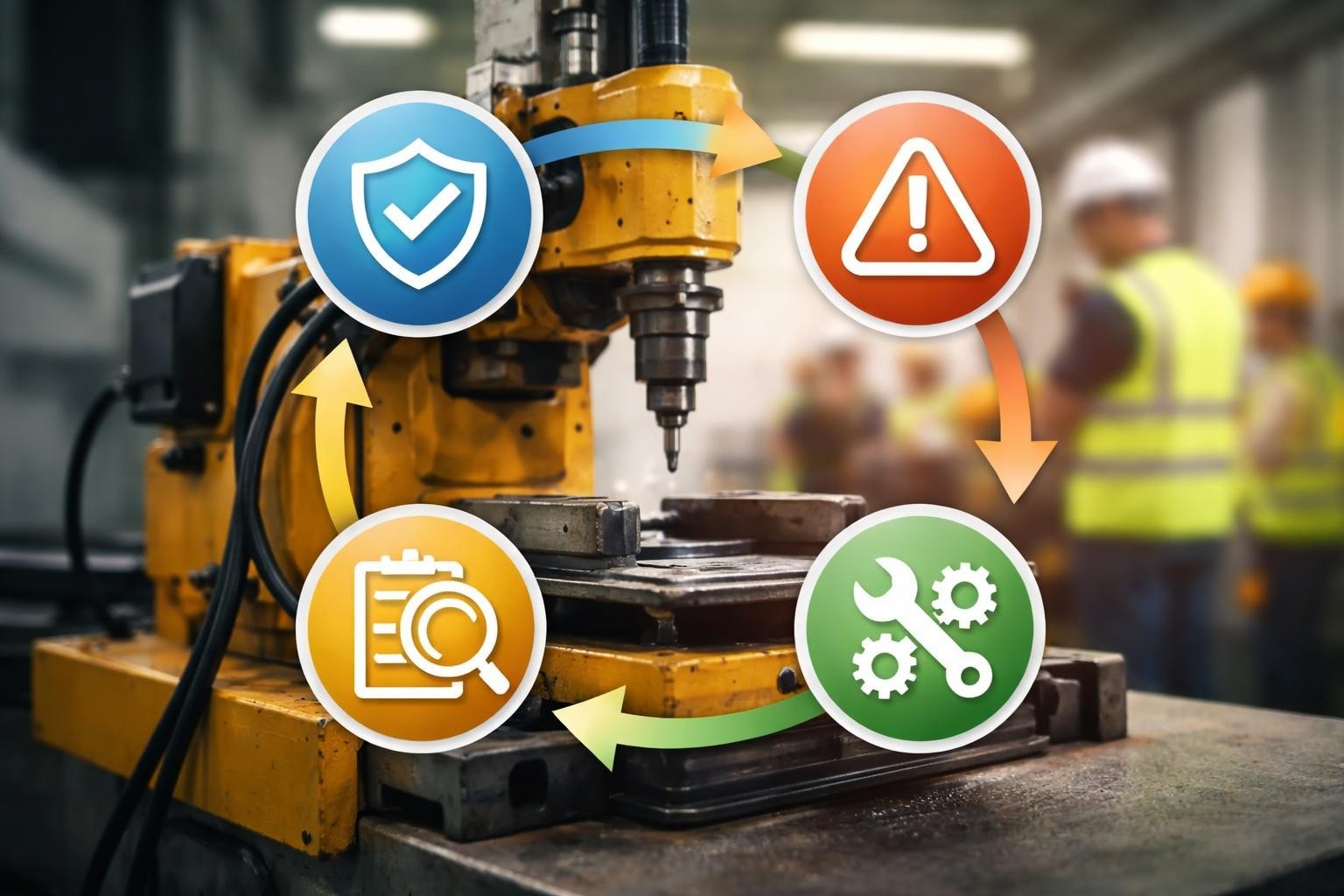
Understanding health and safety PUWER requirements is essential for any organisation that uses work equipment. The Provision and Use of Work Equipment Regulations 1998 (PUWER) establish a comprehensive framework designed to ensure machinery and equipment remain safe throughout their operational life. These regulations apply across virtually all UK workplaces, from manufacturing facilities to care homes, and demand systematic approaches to equipment management, maintenance, and inspection. Compliance isn't merely about avoiding enforcement action; it's fundamentally about protecting employees from serious injury and creating sustainable operational practices.
What Health and Safety PUWER Regulations Cover
Health and safety PUWER applies to any equipment used by employees at work, creating obligations that extend far beyond the factory floor. The regulations define work equipment broadly, encompassing everything from hand tools and ladders to complex manufacturing machinery, lifting equipment, and power presses.
The scope includes:
Manufacturing machinery and production equipment
Workshop tools and power equipment
Hand-held tools, both powered and manual
Office equipment where safety risks exist
Agricultural and construction machinery
Access equipment such as scaffolding and mobile platforms
PUWER operates alongside other regulations, creating an integrated compliance framework. Whilst LOLER inspections specifically address lifting operations, health and safety PUWER covers the broader spectrum of workplace equipment. Understanding where these regulations intersect prevents compliance gaps and ensures comprehensive protection.
Core Duties Under the Regulations
Employers carry clear responsibilities for every piece of work equipment in their organisation. Equipment must be suitable for its intended use, properly maintained, and operated only by appropriately trained personnel. These aren't optional recommendations; they're legal requirements backed by enforcement powers.
The regulations mandate that equipment is:
Suitable for the intended use and conditions
Maintained in safe working order
Inspected at appropriate intervals
Used only by trained, competent persons
Accompanied by suitable health and safety information
Equipment Selection and Suitability Assessment
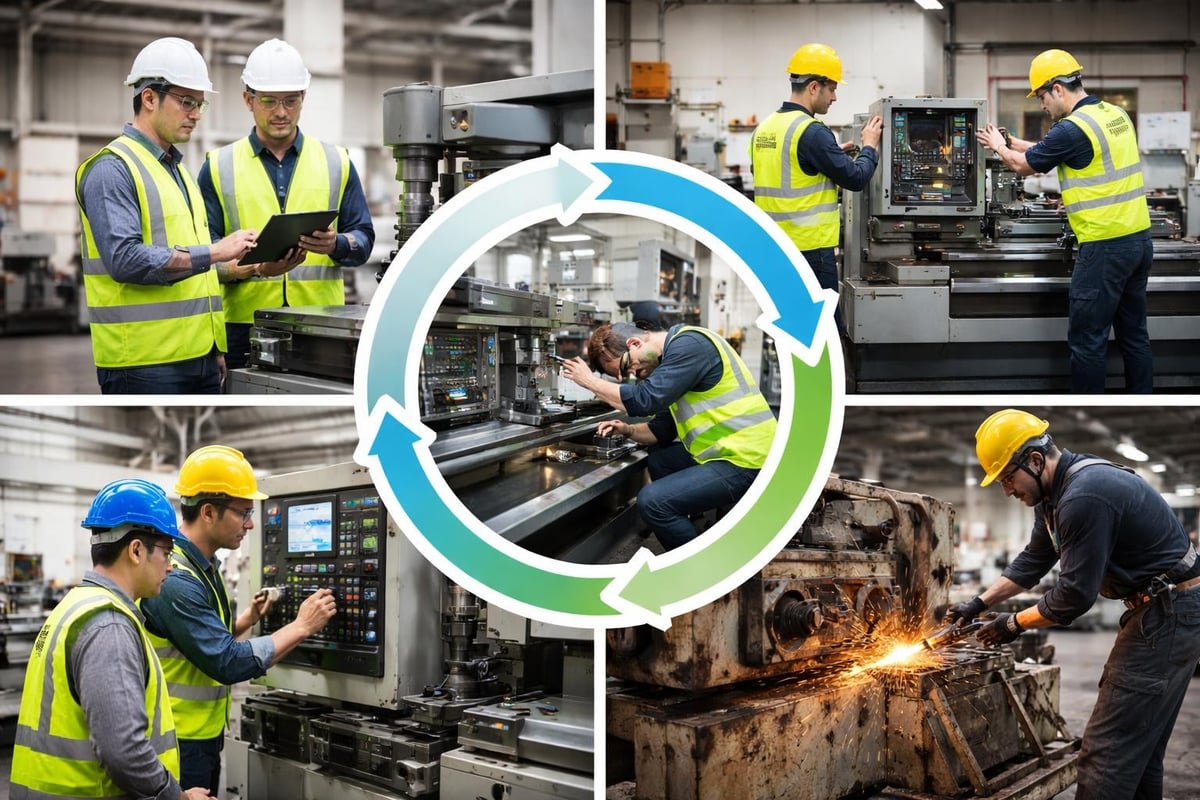
Choosing appropriate equipment represents the first critical step in health and safety PUWER compliance. Suitability isn't simply about functional capability; it encompasses the working environment, operator competence, and foreseeable risks throughout the equipment's operational life.
When assessing suitability, organisations must consider whether equipment is appropriate for the specific tasks, materials, and working conditions it will encounter. A machine suitable for occasional use in controlled conditions may prove entirely inappropriate for continuous operation in harsh environments. Environmental factors such as dust, moisture, temperature extremes, and vibration all influence equipment selection.
Risk Assessment Requirements
Every piece of work equipment requires thorough risk assessment before introduction to the workplace. This assessment identifies potential hazards, evaluates existing control measures, and determines what additional safeguards are necessary. The assessment isn't a one-time exercise; it must be reviewed whenever circumstances change.
Assessment Stage | Key Considerations | Documentation Required |
|---|---|---|
Initial evaluation | Task analysis, environmental factors, operator interaction | Suitability justification |
Hazard identification | Mechanical hazards, electrical risks, ergonomic concerns | Risk register |
Control measures | Guards, emergency stops, safe systems of work | Control hierarchy |
Residual risk | Remaining risks after controls implemented | Risk rating |
Review triggers | Equipment modifications, incident occurrence, regulatory changes | Update schedule |
Risk assessments must follow the established hierarchy of control, prioritising elimination and engineering controls over administrative measures and personal protective equipment. This approach ensures the most effective protection and aligns with broader workplace health and safety compliance principles.
Maintenance and Inspection Obligations
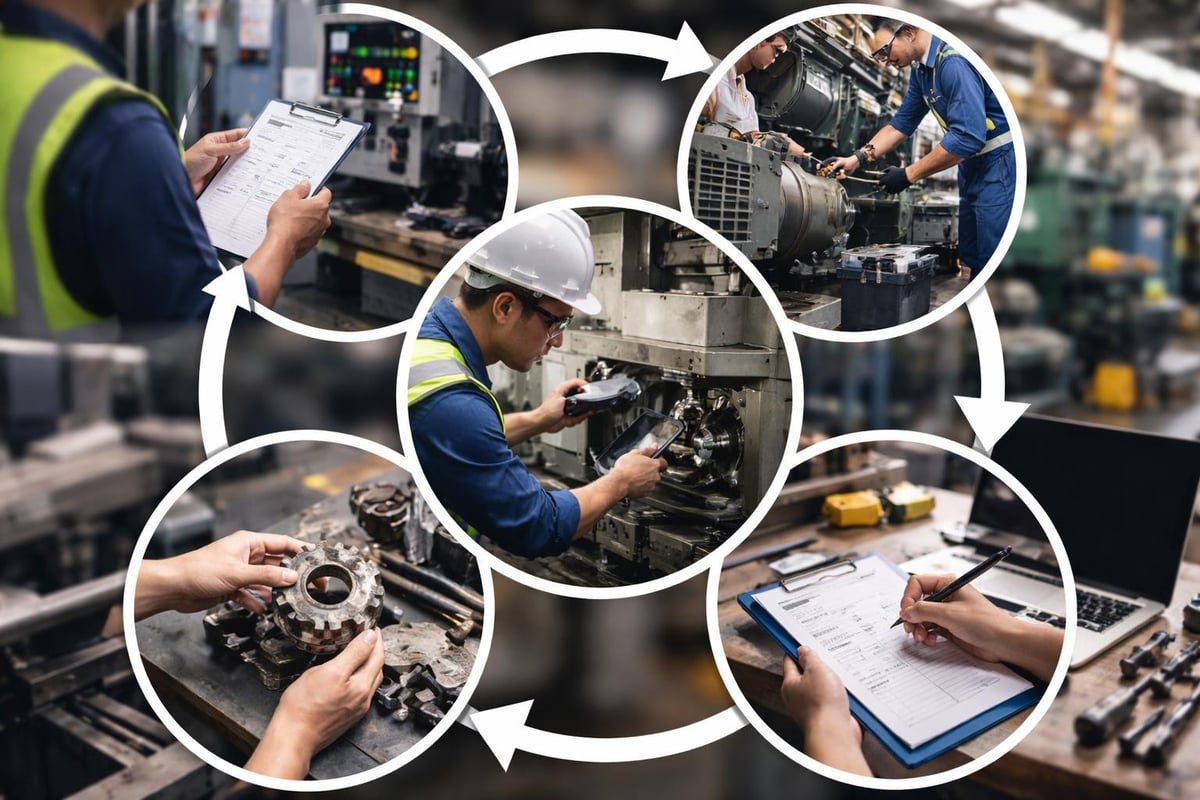
Health and safety PUWER places explicit duties on employers to maintain work equipment in efficient working order and good repair. Maintenance programmes must be systematic, documented, and based on manufacturer recommendations, operational demands, and risk assessment findings.
Effective maintenance systems include:
Scheduled preventive maintenance based on usage and risk
Documented maintenance records showing all interventions
Spare parts availability for critical safety components
Competent personnel performing maintenance work
Post-maintenance testing before returning equipment to service
Inspection represents a distinct requirement from maintenance. Whilst maintenance keeps equipment functioning correctly, inspection provides independent verification that safety-critical features remain effective. The frequency and nature of inspections depend on equipment type, usage intensity, environmental conditions, and the consequences of failure.
Inspection Frequency and Documentation
Determining appropriate inspection intervals requires careful consideration of multiple factors. High-risk equipment operating in demanding conditions requires more frequent examination than low-risk items in controlled environments. PUWER inspections should be carried out by competent persons who understand both the equipment and the regulatory requirements, ensuring thorough examination of all safety-critical elements.
Where inspection reveals defects, the regulations require prompt remedial action. Equipment with serious safety defects must be removed from service immediately, and repairs verified before returning to operational use. This approach prevents the gradual degradation of safety standards and maintains consistent protection levels.
Specific Hazards and Control Measures
Health and safety PUWER identifies specific hazards that require particular attention. These include dangerous parts of machinery, specified hazards such as falling objects and rupturing components, and risks arising from equipment stability, lighting, and maintenance activities.
Protection Against Dangerous Parts
Machinery with dangerous parts must incorporate appropriate safeguards to prevent access during operation. The regulations establish a clear hierarchy: fixed guards provide the preferred solution, followed by other guards or protection devices, and finally protection appliances such as jigs or holders.
Guards must be:
Suitable for the purpose - effectively preventing access to danger zones
Of good construction - robust enough to withstand operational conditions
Not easily bypassed or disabled - maintaining protection throughout operation
Positioned at sufficient distance - preventing reach to dangerous parts
Not causing additional hazards - avoiding sharp edges or trapping points
Allowing necessary maintenance - permitting safe cleaning and adjustment
Interlocking guards that prevent machinery operation when opened offer excellent protection for equipment requiring frequent access. However, their effectiveness depends entirely on proper installation, regular testing, and a culture that discourages override devices.
Temperature and Substance Hazards
Work equipment producing extreme temperatures or involving hazardous substances creates additional risks requiring specific controls. Hot surfaces, molten materials, and cryogenic systems all demand protective measures appropriate to the severity of risk.
Where equipment processes hazardous substances, health and safety PUWER works alongside COSHH requirements. Whilst PUWER addresses equipment safety, COSHH focuses on substance exposure control. This integration ensures comprehensive protection, though it demands coordinated compliance efforts across multiple regulatory frameworks.
Training and Competence Requirements
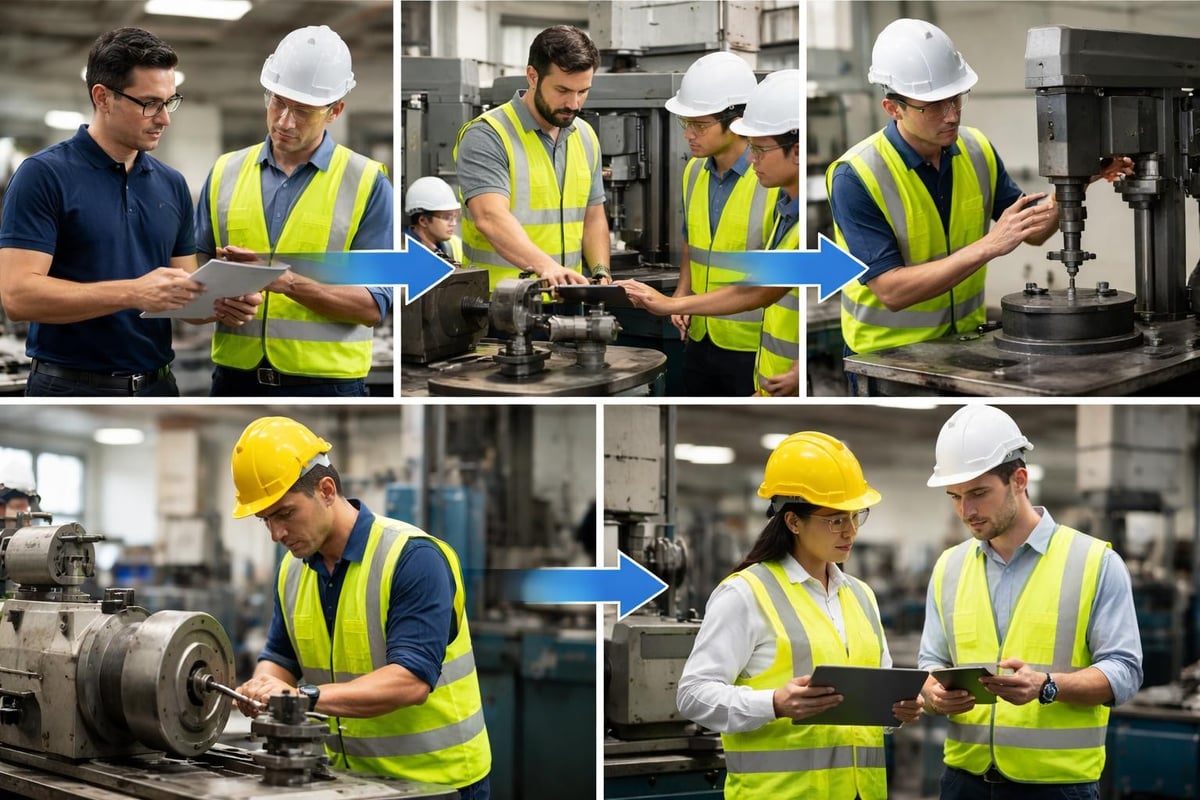
The regulations explicitly require that only trained, competent persons use work equipment. Competence encompasses both theoretical understanding and practical capability, developed through instruction, training, and supervised experience appropriate to the equipment complexity and associated risks.
Training programmes must address:
Equipment operation procedures and controls
Hazards associated with the equipment and safeguards in place
Emergency procedures including safe shutdown and evacuation
Reporting requirements for defects and near-miss incidents
Limitations of use and prohibited practices
Competence verification shouldn't rely solely on initial training. Refresher training maintains skills and knowledge, particularly for infrequently used equipment or when procedures change. Supervision levels should reflect individual competence, gradually reducing as operators demonstrate consistent safe performance.
Supervisor Responsibilities
Supervisors play a critical role in health and safety PUWER compliance, monitoring equipment use, identifying unsafe practices, and ensuring maintenance schedules are followed. They must possess sufficient understanding of both the equipment and the regulations to recognise non-compliance and take appropriate corrective action.
Supervisor Duty | Implementation Method | Frequency |
|---|---|---|
Monitor equipment use | Workplace observation, operator feedback | Daily |
Verify guard effectiveness | Visual inspection, function testing | Weekly |
Check training currency | Records review, competence assessment | Monthly |
Review maintenance status | Documentation check, defect tracking | Monthly |
Confirm emergency procedures understood | Scenario discussions, evacuation drills | Quarterly |
Regular supervisor briefings ensure consistent understanding of standards and provide opportunities to discuss emerging issues before they escalate into serious problems.
Managing Mobile and Remote Equipment
Mobile work equipment and equipment used in remote locations presents distinct challenges for health and safety PUWER compliance. These items often operate in varying conditions, making risk assessment and control measure implementation more complex.
Mobile equipment requires particular attention to:
Stability measures - preventing overturning during operation and travel
Operator protection - structures protecting against crushing and falling objects
Visibility enhancement - ensuring operators can see adequately in all directions
Controls accessibility - positioning controls for safe operation from the operator position
Isolation procedures - securing equipment safely when unattended
Self-propelled equipment must incorporate protection against unauthorised use, typically through key systems or coded access. Where equipment moves between sites, inspection arrangements must travel with it, ensuring consistent safety standards regardless of location.
Remote Work Considerations
Equipment operating away from the main workplace demands robust systems ensuring health and safety inspection requirements aren't overlooked. Remote workers may lack immediate access to maintenance support, making pre-use checks and operator competence particularly critical.
Communication systems allow remote workers to report defects promptly and receive guidance on safe responses. Equipment tracking systems help organisations maintain oversight of inspection schedules and ensure timely examinations occur regardless of equipment location.
Enforcement and Consequences of Non-Compliance
The Health and Safety Executive actively enforces health and safety PUWER requirements, with inspection visits targeting high-risk sectors and responding to incidents, complaints, and intelligence. Inspectors possess extensive powers, including the ability to issue improvement notices, prohibition notices, and prosecute serious breaches.
Improvement notices require specific actions within defined timescales to remedy contraventions. Prohibition notices immediately stop equipment use where inspectors identify risk of serious personal injury. Prosecution can result in unlimited fines and, in cases involving gross negligence causing death, imprisonment for responsible individuals.
Common enforcement actions arise from:
Inadequate or missing guards on dangerous machinery
Failure to maintain equipment in safe condition
Insufficient training provision for equipment operators
Absence of documented inspection and maintenance records
Using equipment for purposes beyond its design capabilities
Beyond regulatory penalties, non-compliance carries significant business consequences. Accidents damage reputations, disrupt operations, increase insurance premiums, and potentially trigger civil liability claims. These indirect costs typically far exceed any regulatory fines.
Documentation and Record-Keeping Best Practices
Effective documentation demonstrates compliance, supports continuous improvement, and provides evidence of due diligence should incidents occur. Health and safety PUWER doesn't specify exact documentation formats, but records must clearly show what equipment exists, its condition, and what measures maintain safety.
Essential records include:
Equipment inventory - comprehensive list of all work equipment with unique identifiers
Suitability assessments - justification that equipment suits intended use
Risk assessments - hazard identification and control measure documentation
Maintenance logs - scheduled and reactive maintenance with dates and descriptions
Inspection reports - thorough examination findings and remedial actions
Training records - operator instruction, assessment, and authorisation documentation
Modification history - changes to equipment and updated risk assessments
Digital systems increasingly replace paper records, offering advantages in accessibility, search functionality, and automated reminders for upcoming inspections. However, the format matters less than completeness, accuracy, and regular review to ensure records reflect current reality.
Audit and Review Cycles
Periodic audits verify that documented systems reflect actual practices and identify improvement opportunities. Internal audits provide formative feedback, whilst external audits offer independent validation and benchmark performance against sector standards. Understanding inspection regulations helps organisations structure audit programmes that comprehensively address statutory requirements.
Annual management reviews should assess whether health and safety PUWER arrangements remain adequate as the business evolves. New equipment, changed processes, and lessons from incidents all inform these reviews, driving continuous enhancement of safety management systems.
Integration with Safety Management Systems
Health and safety PUWER compliance works most effectively when integrated within broader safety management systems rather than treated as isolated requirements. Integration ensures consistent approaches, eliminates duplication, and promotes a culture where equipment safety becomes embedded in daily operations.
ISO 45001 occupational health and safety management systems provide structured frameworks that naturally incorporate PUWER requirements. The plan-do-check-act cycle supports systematic equipment management, whilst leadership commitment and worker consultation drive genuine safety culture development.
Integration touchpoints include:
Safety System Element | PUWER Integration |
|---|---|
Policy and objectives | Equipment safety commitments and performance targets |
Risk assessment | Equipment-specific hazard identification and control |
Operational controls | Safe systems of work for equipment operation |
Competence management | Equipment training and authorisation processes |
Monitoring and measurement | Inspection programmes and performance indicators |
Incident investigation | Equipment-related accident analysis and learning |
Management review | Equipment safety performance evaluation |
Aligning PUWER compliance with existing systems reduces administrative burden whilst strengthening overall safety performance. Businesses benefit from streamlined processes, clearer accountability, and evidence demonstrating systematic approaches to equipment safety management.
Sector-Specific Considerations
Different industries face distinct health and safety PUWER challenges reflecting their equipment types, operational environments, and workforce characteristics. Manufacturing sectors contend with complex machinery and production pressures, whilst service sectors may underestimate risks from seemingly simple equipment.
Manufacturing and Engineering Environments
Engineering and manufacturing facilities typically operate extensive machinery inventories requiring sophisticated management systems. Production pressures can incentivise shortcut behaviours, making robust procedural controls and safety culture particularly important. Manufacturing operations benefit from zone-based risk assessments and equipment criticality classification, focusing resources where risks and consequences are greatest.
Modification management proves especially important in these sectors, where equipment adaptation to meet changing production needs is common. Unauthorised modifications frequently compromise safety features, making change control procedures essential for maintaining health and safety PUWER compliance.
Warehousing and Logistics Operations
Warehouses and distribution centres rely heavily on mobile equipment, including forklift trucks, pallet trucks, and conveyor systems. The dynamic environment, with constant vehicle movements and changing storage configurations, demands particular attention to traffic management and pedestrian segregation.
High equipment utilisation rates necessitate robust maintenance scheduling that balances operational demands with safety requirements. Shift patterns may complicate training delivery and supervision, requiring creative approaches to ensure consistent competence across all operators.
Health and safety PUWER compliance protects businesses from regulatory enforcement whilst fundamentally safeguarding the people who operate workplace equipment daily. Systematic approaches to equipment selection, maintenance, inspection, and operator training create sustainable frameworks that evolve alongside operational demands. Workplace Inspection Services Ltd supports organisations nationwide with expert PUWER inspections, helping businesses maintain compliance, manage risk effectively, and demonstrate commitment to employee safety through professional, independent examination services.